MURDILIMAX WORLD ATLAS · WILDLIFE

Wildlife & animals

Birds, mammals and the small creatures sharing our landscapes.

✳ Discover the world, one topic at a time
✳

Explore reliable guides, memorable facts and practical tools. We publish carefully researched topics and make clear where local rules or professional advice matter.

Explore this collection

Browse guides

← All topics
↗Wildlife & animals · 3 min readWatch wildlife responsibly: distance, photography and safetyEnjoy birds and mammals without feeding, crowding or forcing animals to change their natural behaviour.
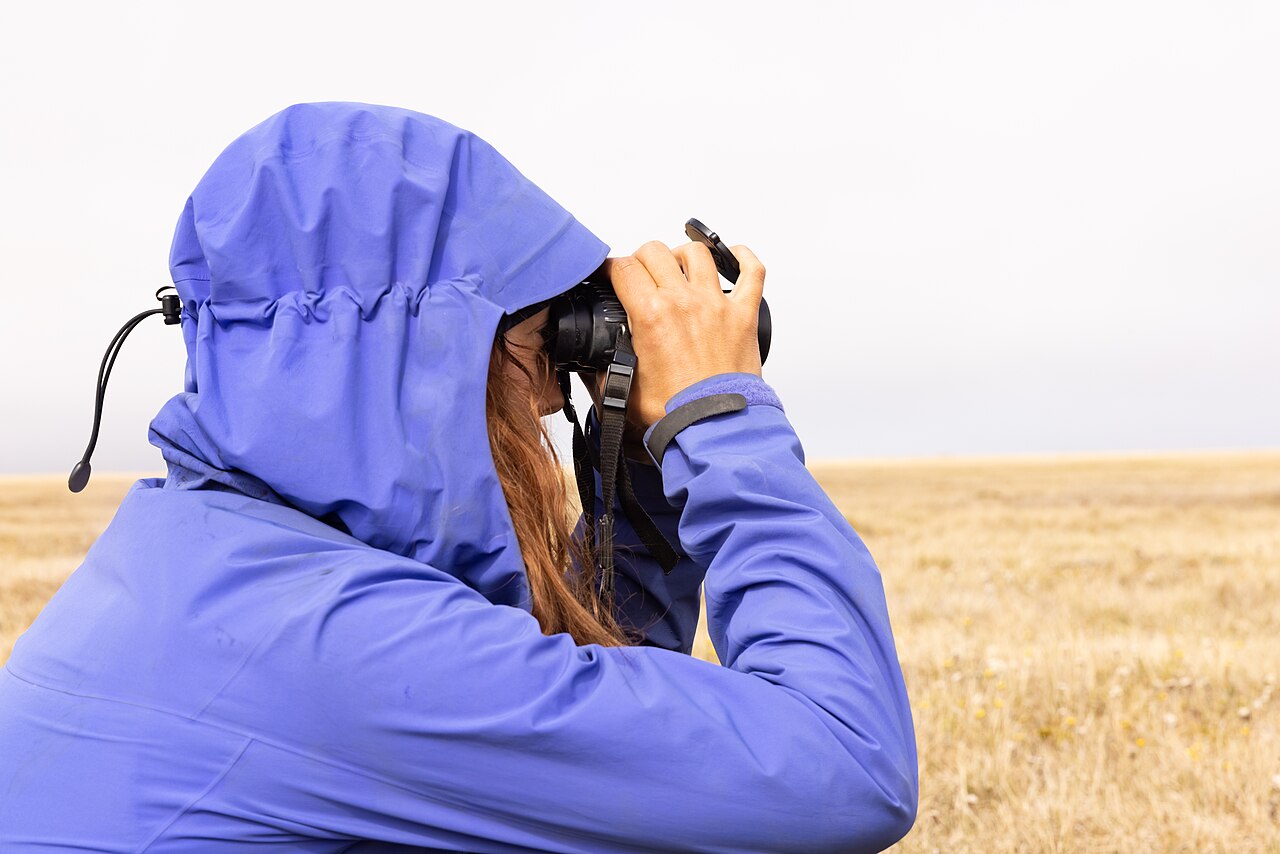
↗Wildlife & animals · 1 min readBirdwatching responsibly: better photos without getting closerRespect nests and wildlife while enjoying beautiful field observations.
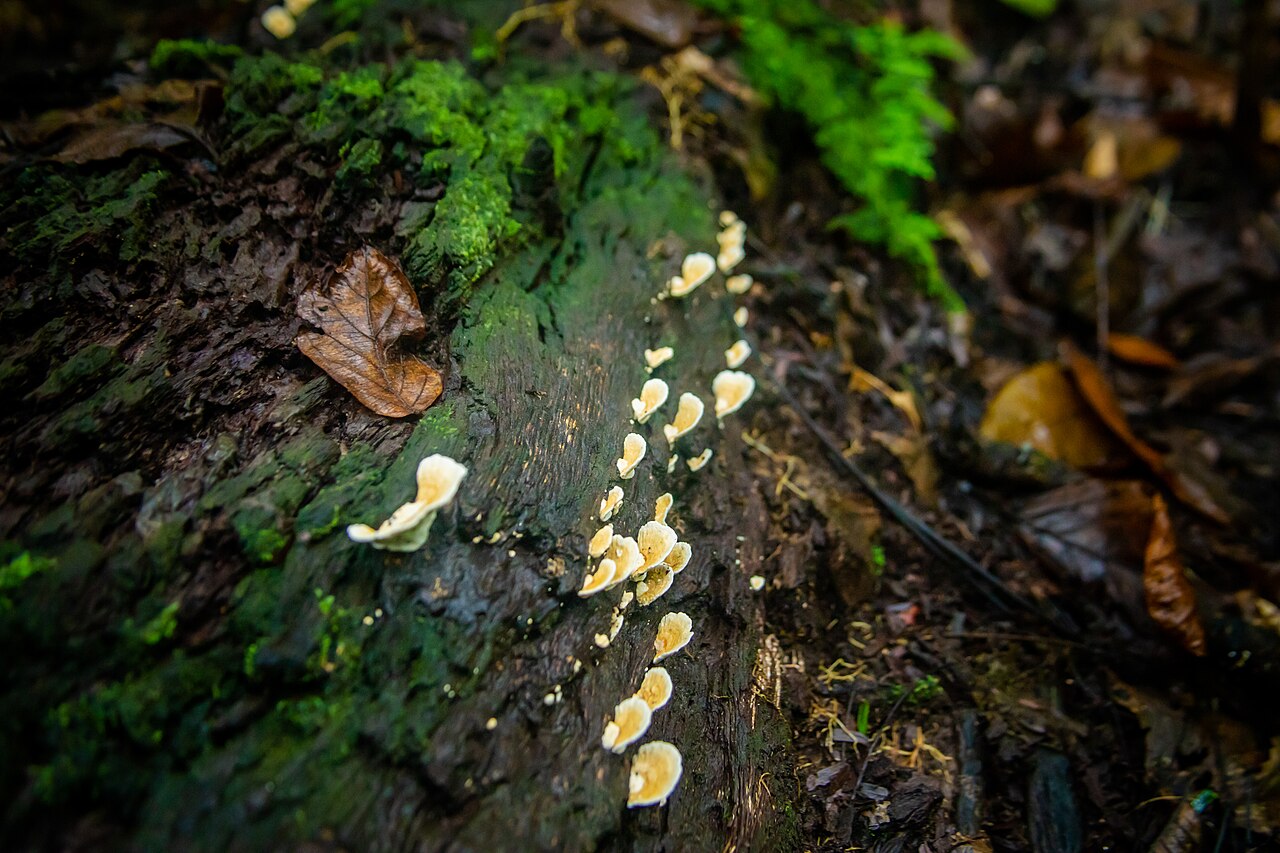
↗Wildlife & animals · 1 min readWhy dead trees are full of lifeA fallen trunk may support more forest species than a tidy lawn ever could.
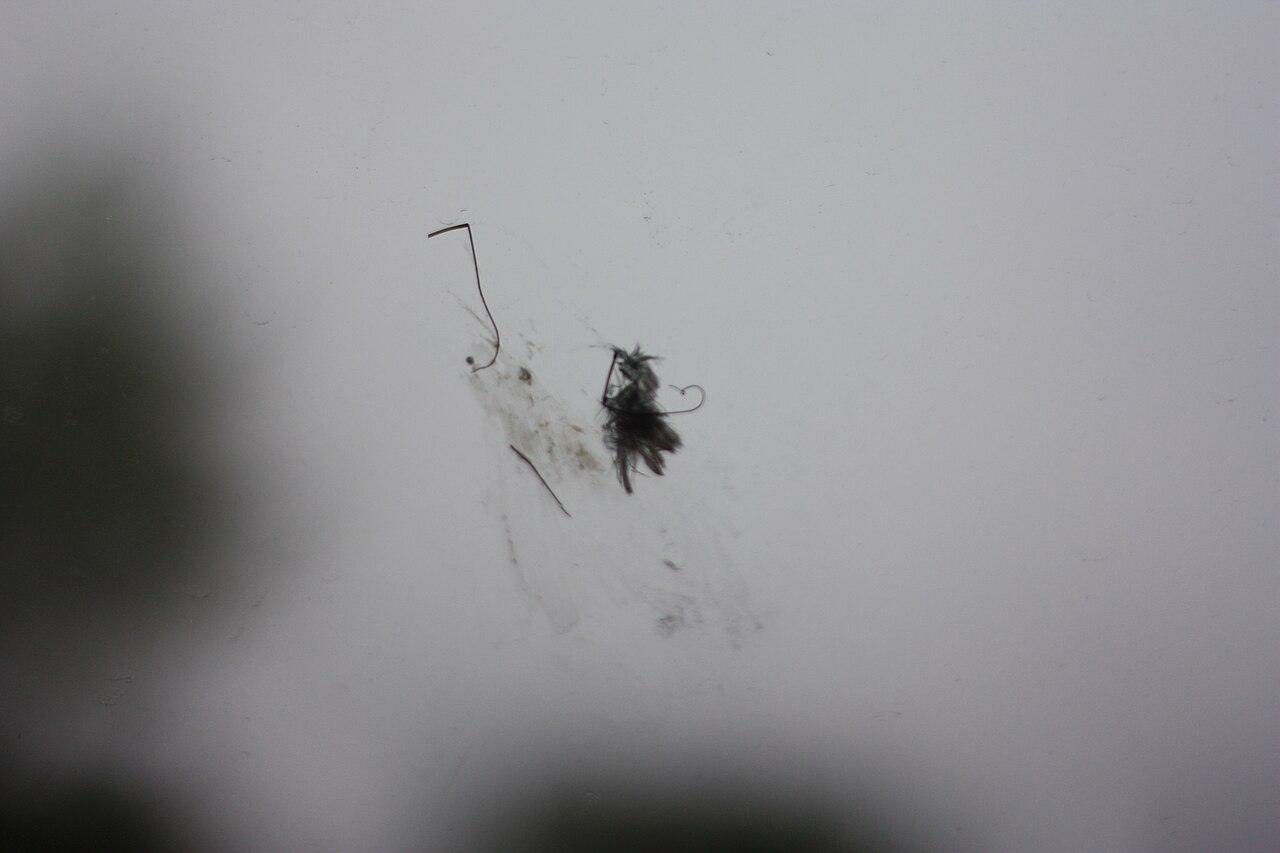
↗Wildlife & animals · 2 min readStop birds hitting windows: visible patterns that actually workA single decorative bird sticker is rarely enough to make glass safe for wildlife.
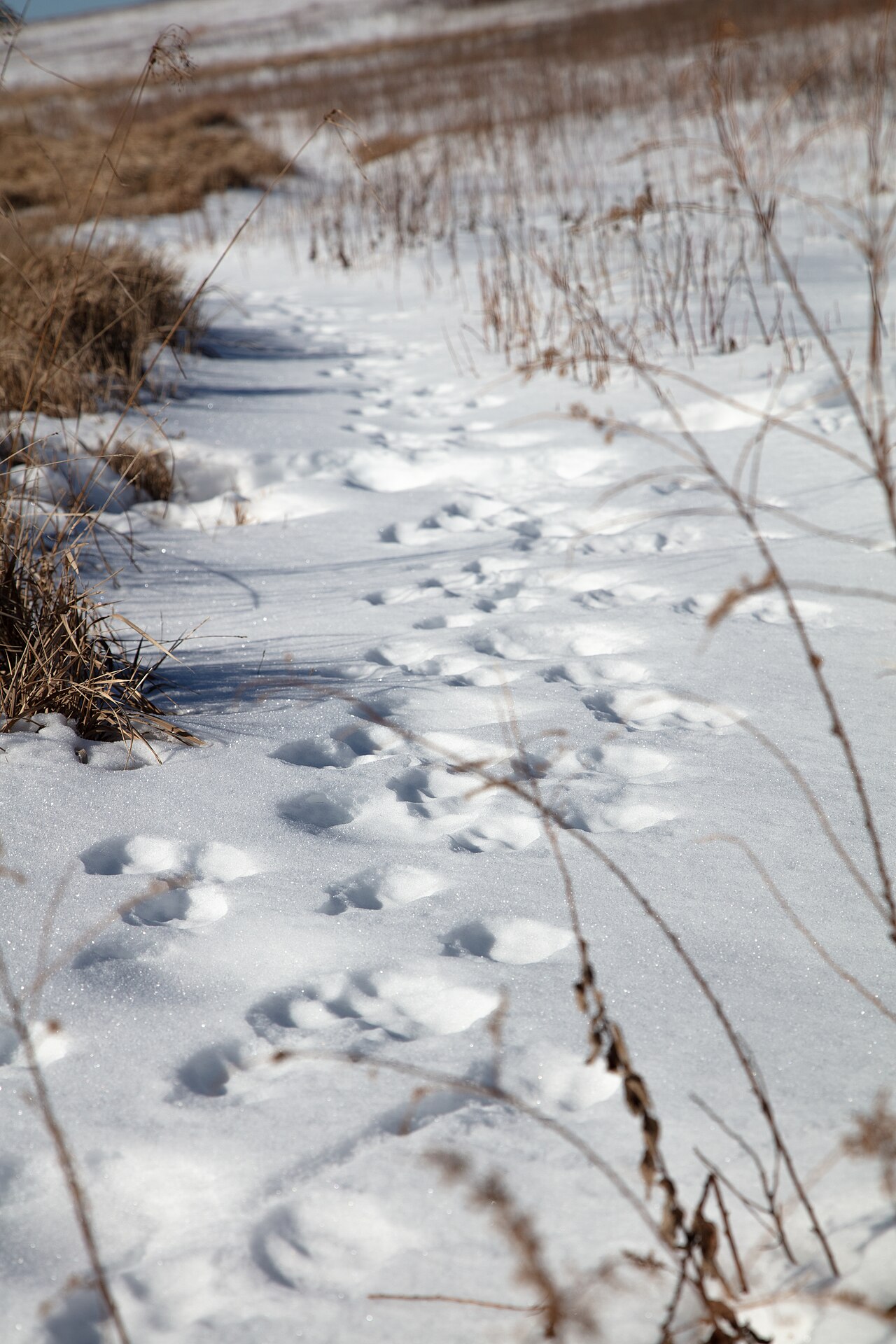
Animal tracks: record clues without chasing wildlife↗Wildlife & animals · 2 min readAnimal tracks: record clues without chasing wildlifeRead a trail as a set of clues, measure carefully and keep uncertain identifications separate from what you actually observed.
Focus binoculars: get a clear view before watching birds↗Wildlife & animals · 2 min readFocus binoculars: get a clear view before watching birdsAdjust the fit, eyecups and diopter on a stationary target, then practise finding moving subjects without approaching them.
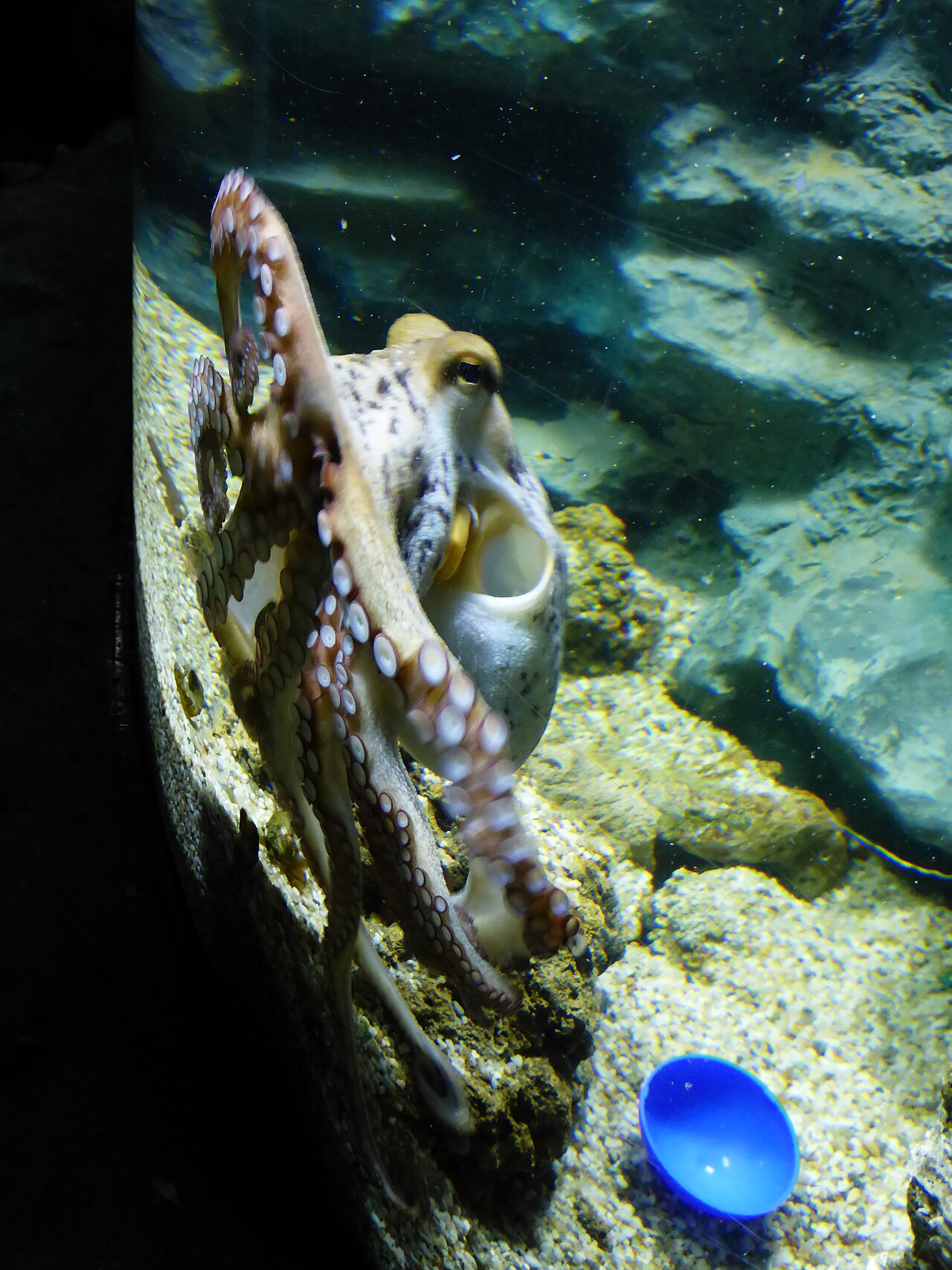
A common octopus at Sea Life Munich↗Wildlife & animals · 2 min readWhy an octopus has three hearts and blue bloodNot spare hearts and not nine human-like brains: a closer look at the anatomy of one of the ocean’s most unusual animals.
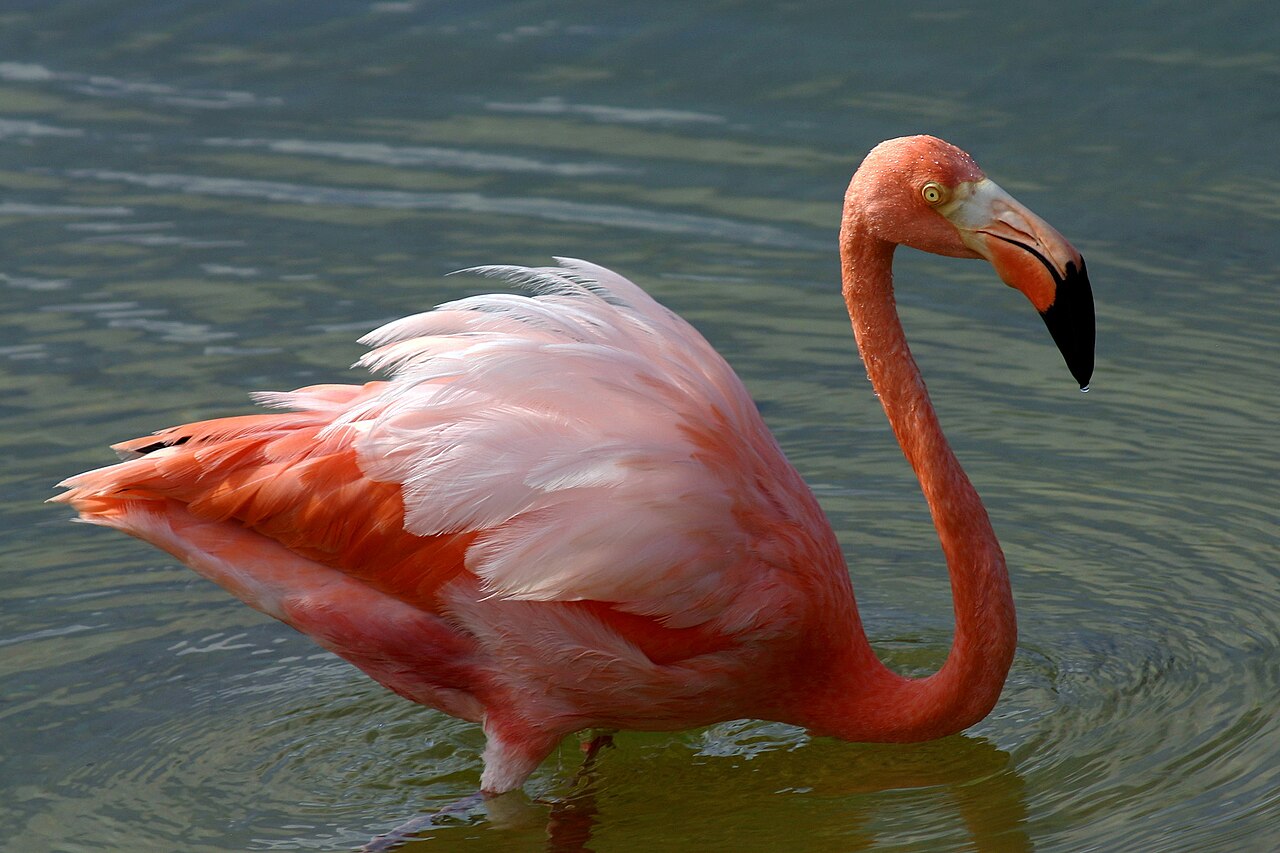
An American flamingo, Phoenicopterus ruber, on Isabela Island in the Galapagos↗Wildlife & animals · 3 min readWhy flamingos are pink but their chicks are greyHow food pigments reach feathers, why birds differ in colour and what to notice when watching a flock.
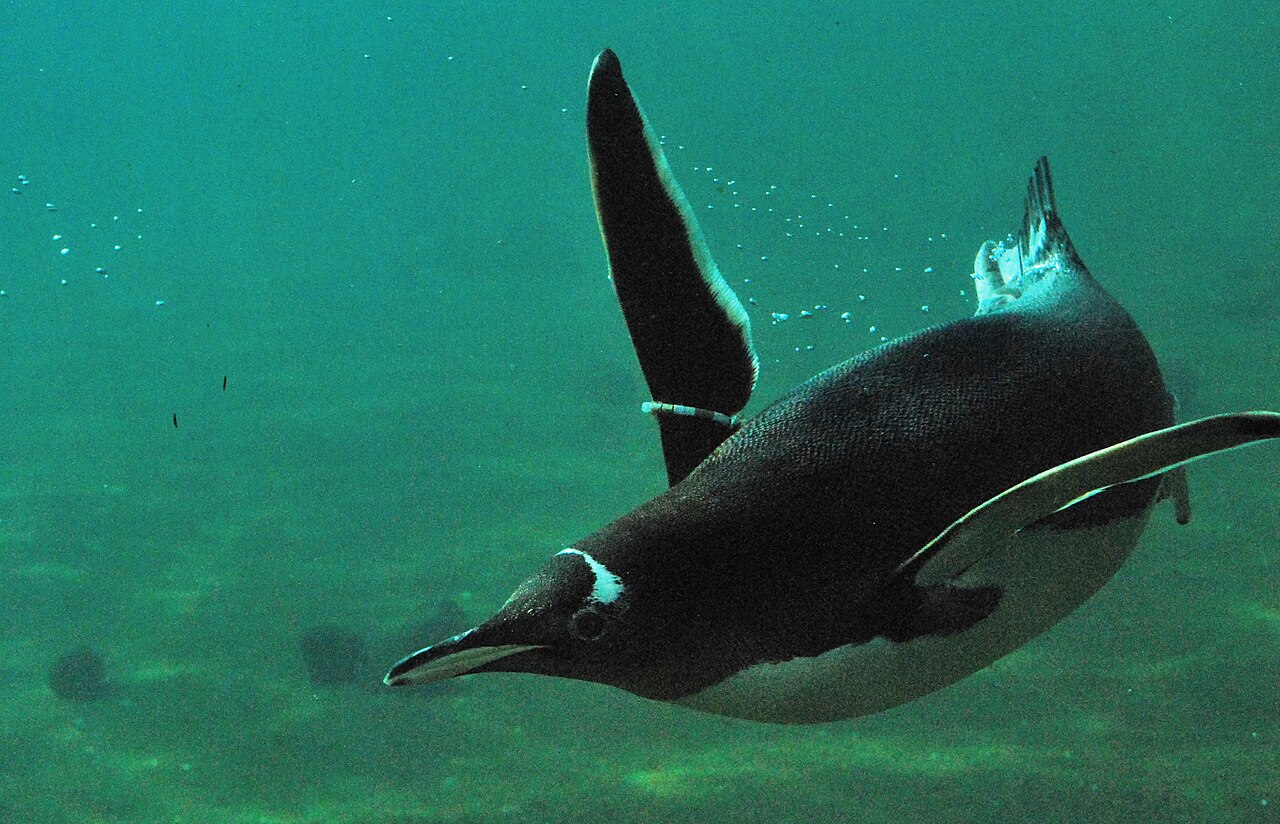
A gentoo penguin swimming underwater at Edinburgh Zoo↗Wildlife & animals · 3 min readWhy penguins cannot fly but swim so wellHow flipper-like wings, steering feet and protective feathers work together, and why a penguin does not always belong in snow.
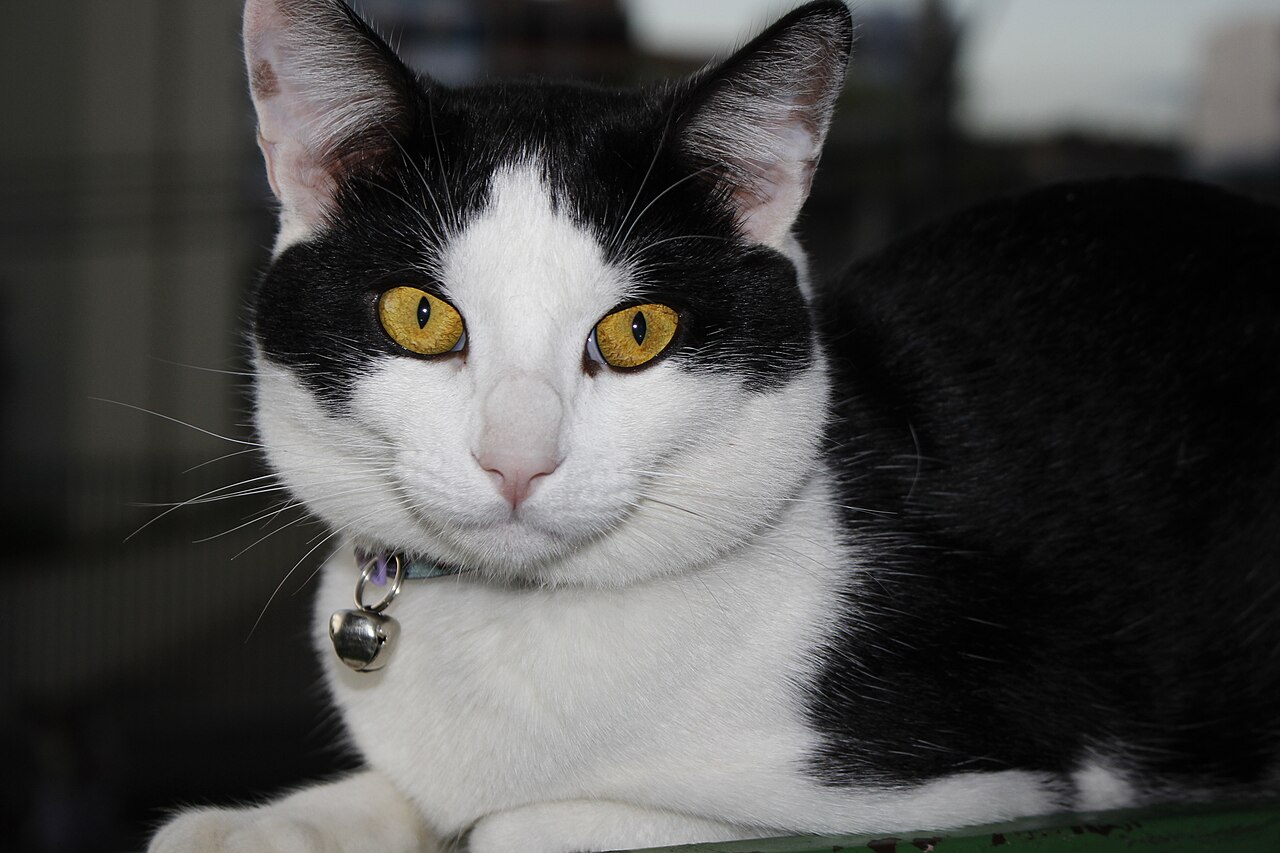
Real close-up portrait of a domestic cat with visible whiskers and fur↗Wildlife & animals · 3 min readWhy do cats purr? What science knows and what purring really meansA cat's gentle rumble often accompanies relaxation, but purring is communication rather than a guaranteed sign of happiness.
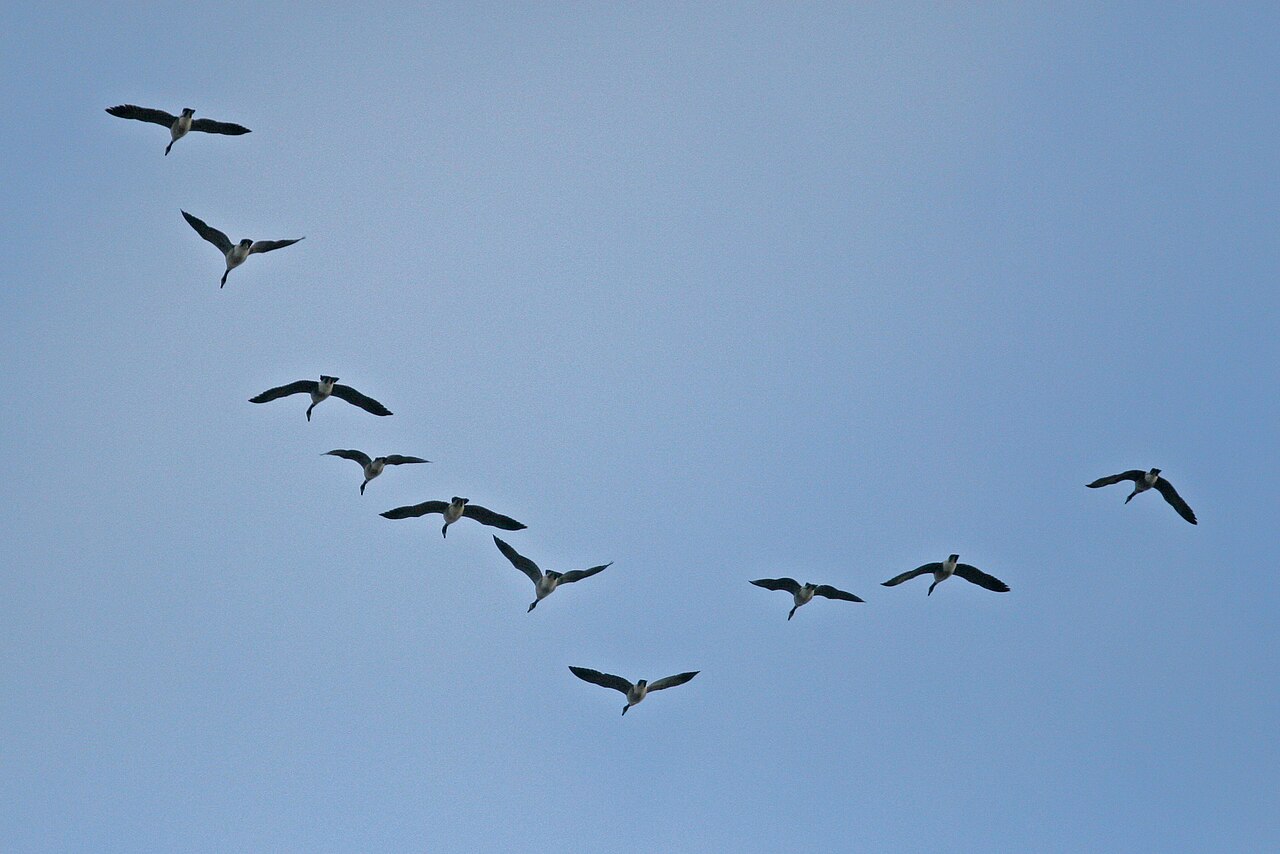
Canada geese flying outdoors in a visible V-shaped flock formation↗Wildlife & animals · 4 min readWhy do birds fly in a V formation? Energy savings and teamworkThe moving V is more than a pretty pattern in the sky. Following birds can use the airflow created by wings in front, but the geometry requires coordination.
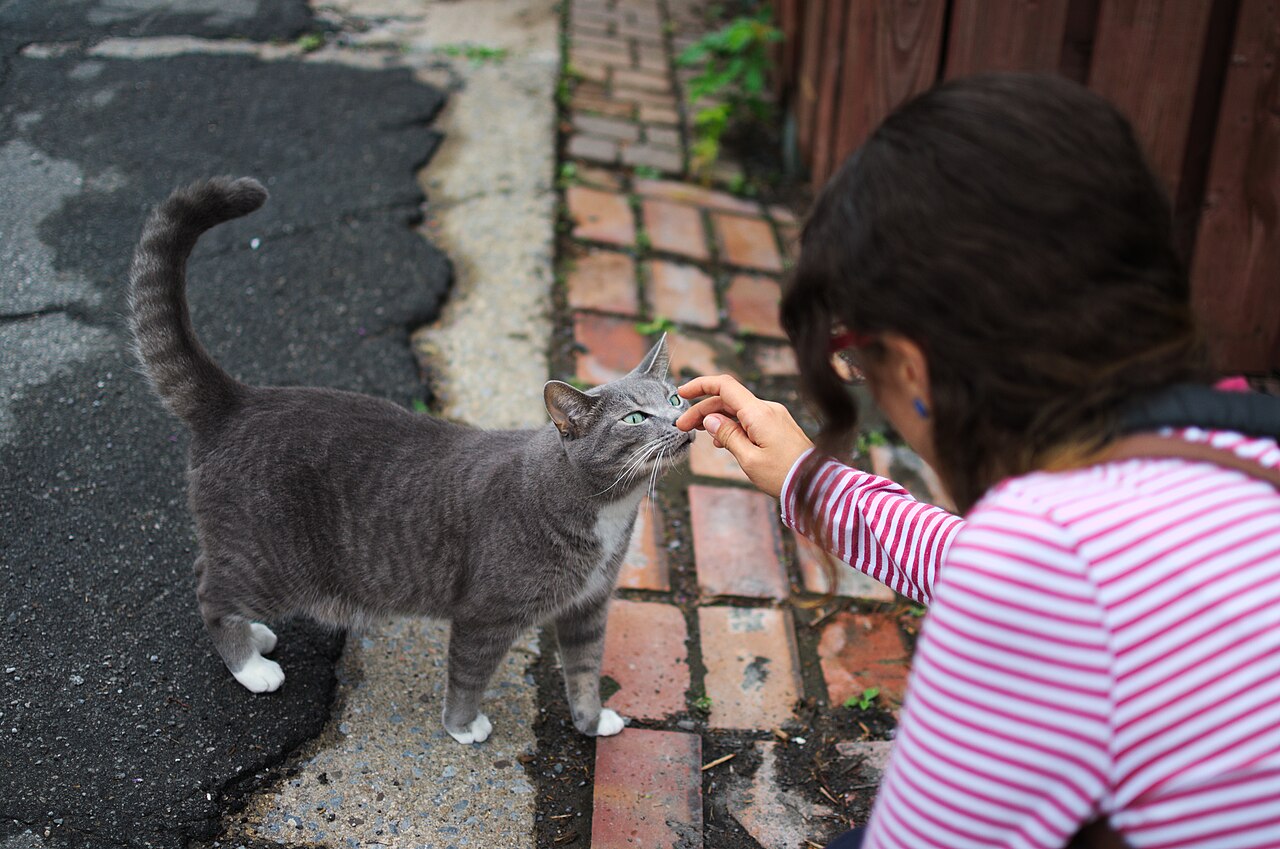
Actual photograph of a domestic cat being gently petted by a person on Rue Holt in Montreal↗Wildlife & animals · 5 min readWhy Do Cats Purr? Happiness, Stress and the Science of the SoundA soft rumble often means comfort—but not always. Here is what feline behavior and newer research reveal about the sound cats make.
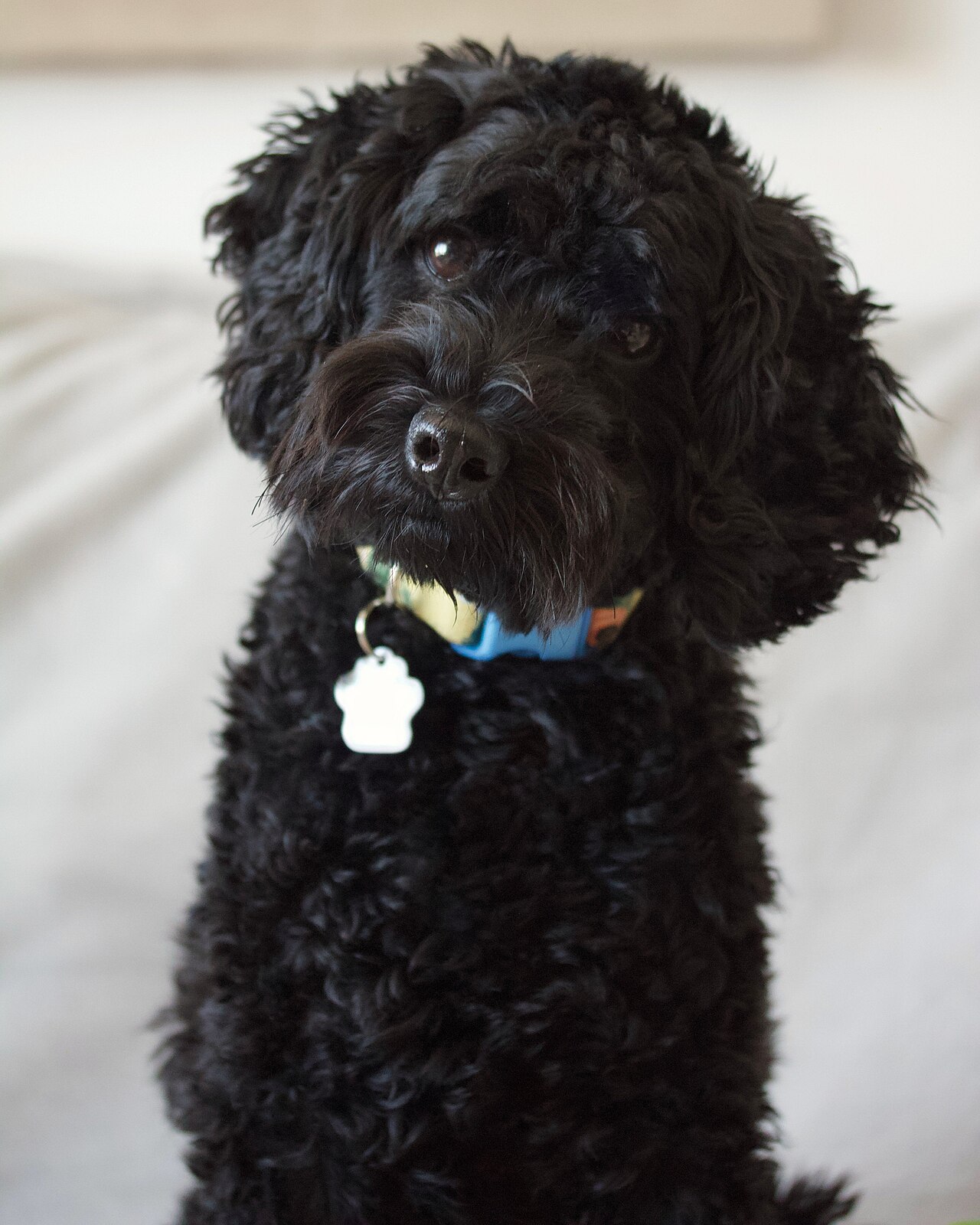
Real photograph of a black schnoodle puppy tilting its head to one side and looking toward the camera↗Wildlife & animals · 5 min readWhy Do Dogs Tilt Their Heads When You Talk to Them?That curious sideways look may help a dog listen and process familiar words. But a tilt that does not go away is a different matter.
Owner's real brown striped tabby cat resting with its front paws tucked on a blue patterned rug indoors↗Wildlife & animals · 5 min readWhy Do Cats Knead Their Paws Before Sleeping?A cat may press its paws into a blanket like a tiny baker making biscuits. The bedtime ritual is usually normal—but the reason is more interesting than it looks.
Real photograph of a herd of plains zebras at a waterhole in Etosha National Park, Namibia↗Wildlife & animals · 5 min readWhy Do Zebras Have Black and White Stripes?Researchers have tested several explanations, from camouflage to staying cool. The clearest experimental evidence points to a surprisingly small enemy: biting flies.
Real photograph of a greater flamingo standing on one leg in the shallow waters of Pulicat Lake, India↗Wildlife & animals · 6 min readWhy Do Flamingos Stand on One Leg? The Science of Their BalanceThat unusual pose can be remarkably stable and energy-efficient. Scientists have tested how it works—and why birds may choose it.