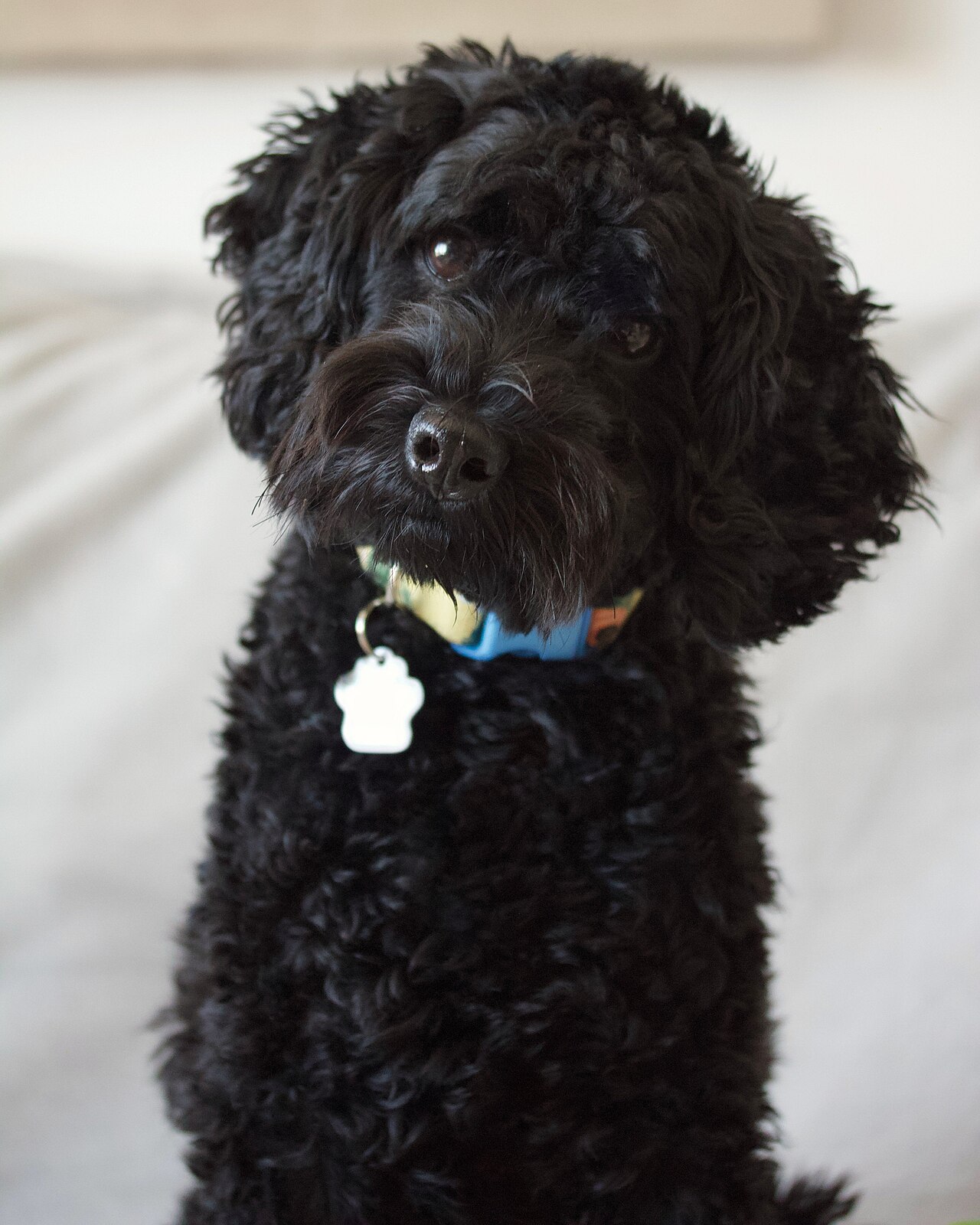
The short answer: your dog may be listening carefully
A dog that tips its head when you say a familiar word, squeak a toy or ask a question is often paying close attention. Some dogs move their ears and head to investigate a sound; others seem to do it during particularly engaging interactions. Veterinary experts at VCA Animal Hospitals describe several possible explanations, including hearing, facial visibility and reinforcement from an owner's response. Scientists are still investigating how much each factor contributes. A tilted head does not prove the dog understands a complete human sentence, feels confused or is trying to look cute. Context matters: an occasional movement that immediately stops after you finish speaking is very different from a fixed tilt that continues while the dog walks or rests.
Can tilting the head help a dog hear where a sound comes from?
A dog's outer ears can change how incoming sound reaches the ear canal. When a noise comes from an unusual direction, adjusting the head or ear position may help the animal gather auditory cues and pay closer attention. Floppy ears and different skull shapes may influence how an individual dog listens. That is a plausible explanation, not a proven universal rule for every head tilt. Dogs can also detect many sounds without making this distinctive pose, and some dogs rarely tilt at all. The VCA explanation emphasizes how ear flaps and the positioning of the head can affect hearing. To observe your pet safely, speak in a normal tone from a comfortable distance and notice whether a familiar word or gentle sound draws attention. Avoid startling the animal with sudden loud noises just to elicit a reaction.
Do dogs tilt their heads to see our faces better?
Dogs use more than sound when communicating with people. Facial expression, the direction of a person's gaze, body posture and hand gestures all provide information. VCA veterinarians suggest that a prominent muzzle may partly obstruct a dog's view of some facial features; adjusting head position could make certain visual cues easier to see. This is a proposed explanation rather than an established fact about every breed or dog. A short-muzzled dog, for example, may still tilt its head. Likewise, a dog may make the movement when hearing a sound from another room, where no human face is visible. It is better to think of the tilt as one piece of a complex response to a situation than as a simple visual trick with one fixed meaning.
What did researchers find about familiar words and attention?
A 2022 paper in Animal Cognition examined head-tilting in dogs and proposed that it might relate to heightened attention and lateralized processing of meaningful information. A separate study published in Animals in October 2025 examined 103 dogs exposed to different kinds of human communication. The researchers observed more head tilts in the condition containing richer communicative and emotional cues. They also reported a tendency toward rightward tilts in their sample and differences between groups. Such findings help scientists formulate hypotheses about how dogs process speech and social signals. They do not establish that a particular tilt direction reveals a dog's thoughts, intelligence or ability to understand every word. The sample and experimental conditions limit how broadly the results can be applied.
Why might a dog tilt its head more after people smile?
Dogs learn from the consequences of their behavior. When a dog tilts its head and a person responds with a smile, excited voice, attention or a treat, that response may make the behavior more likely to recur. VCA includes positive reinforcement among the possible contributors to the familiar head-tilt pose. This does not mean all dogs consciously perform a trick for rewards, and the movement can occur spontaneously, without anyone watching. Some dogs will tilt only during conversations; others are more reactive to particular noises, toys or routines. If your dog seems relaxed and curious, you can simply enjoy the interaction without trying to intensify it. Do not repeatedly use high-pitched or distressing sounds to force the pose. A calm, voluntary response is a better sign of comfortable engagement.
When is a head tilt a warning sign rather than normal behavior?
A brief tilt during play or conversation is generally different from a persistent, unexplained tilt. Contact a veterinarian promptly if your dog keeps holding its head sideways, especially when this starts suddenly or appears with an earache, scratching, discharge, circling, poor balance or unusual eye movements. VCA describes these as possible signs of ear disease or vestibular-system disorders, although only a veterinary examination can determine the cause. Sudden inability to stand, severe disorientation, repeated falling or substantial distress requires urgent professional assessment. Avoid putting ear drops or cleaning solutions into an injured ear unless a veterinarian advises it. Record when the sign started and whether your dog is eating, walking and responding normally; a short video may help the clinician. For more on animal communication, see /guides/why-do-cats-purr/ and explore /topics/wildlife/.
- VCA Animal Hospitals — Why do dogs tilt their heads? ↗
- Animal Cognition (2022) — An exploratory analysis of head-tilting in dogs ↗
- Animals (2025) — What Does That Head Tilt Mean? Brain Lateralization and Sex Differences ↗
- VCA Animal Hospitals — Vestibular disease in dogs ↗
- VCA Animal Hospitals — Inner ear infection (otitis interna) in dogs ↗
A general educational overview, not a substitute for professional guidance. Check current local rules and trusted primary sources before making consequential decisions.
Share this article