A dead tree is not empty
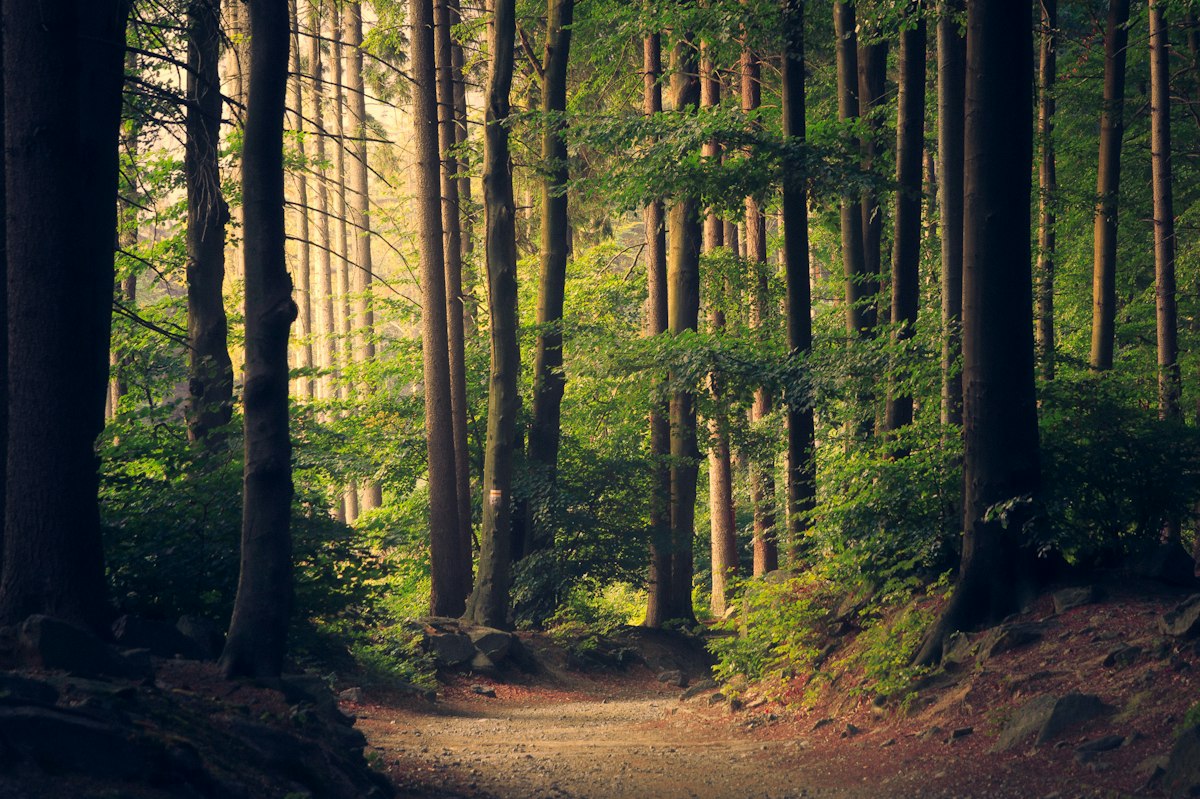
Standing dead trees and fallen logs can provide shelter, nesting cavities and feeding sites for birds, small mammals, insects and other organisms. Woodpeckers may excavate cavities later used by other species.
Decay supports the food web
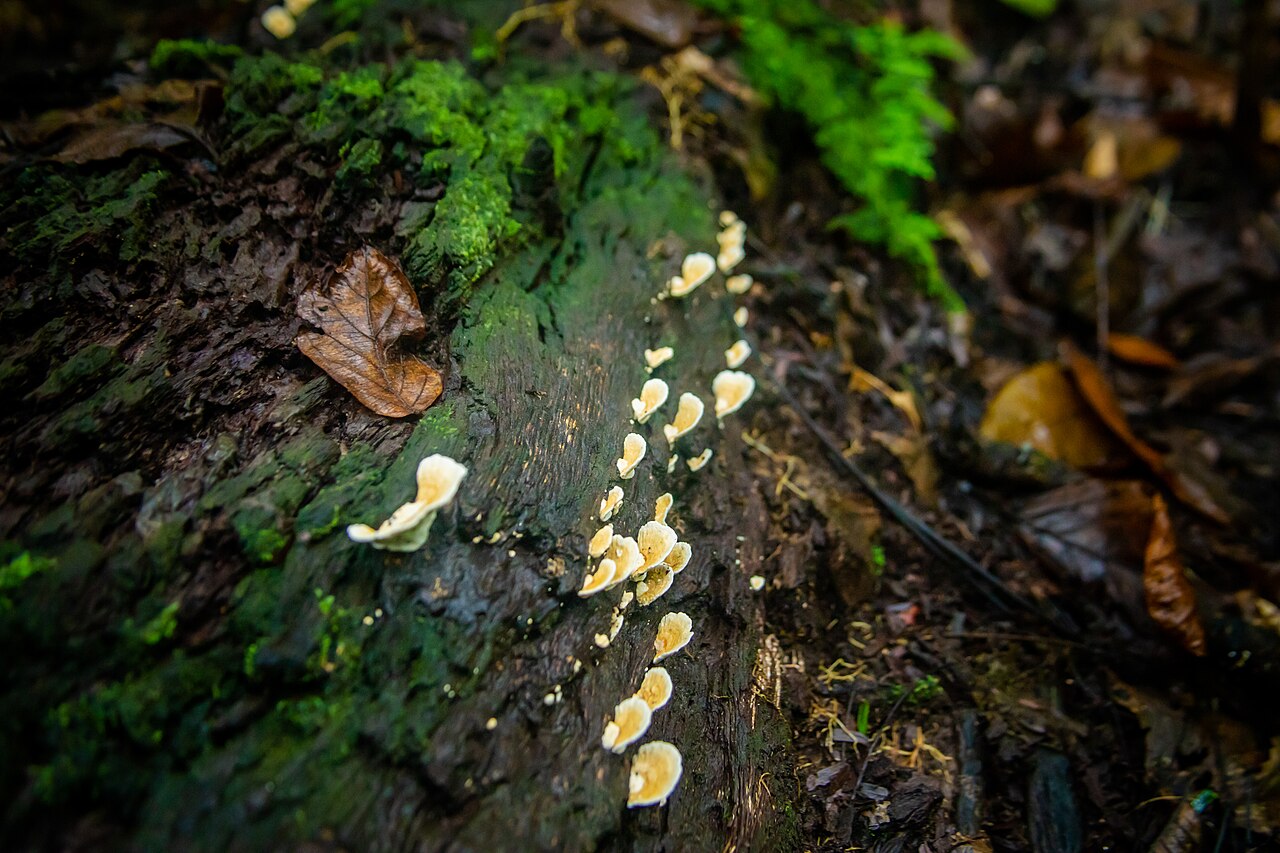
Fungi and microorganisms break down deadwood over time. Insects use this wood as food or habitat and are eaten by birds and mammals. Nutrients eventually return to forest soil rather than being permanently locked in timber.
Safety and habitat both matter
Dead branches and leaning trunks may fall without warning, especially near homes, paths and playgrounds. Land managers need to assess hazards rather than blindly leaving every damaged tree where people pass.
Support biodiversity where it is safe
In gardens or managed woodland, consider leaving a few logs in suitable quiet locations instead of removing every piece of wood. Follow fire, pest and local conservation regulations, and avoid transporting infested logs between ecosystems.
A general educational overview, not a substitute for professional guidance. Check current local rules and trusted primary sources before making consequential decisions.
Share this article