Find a place where prints can survive
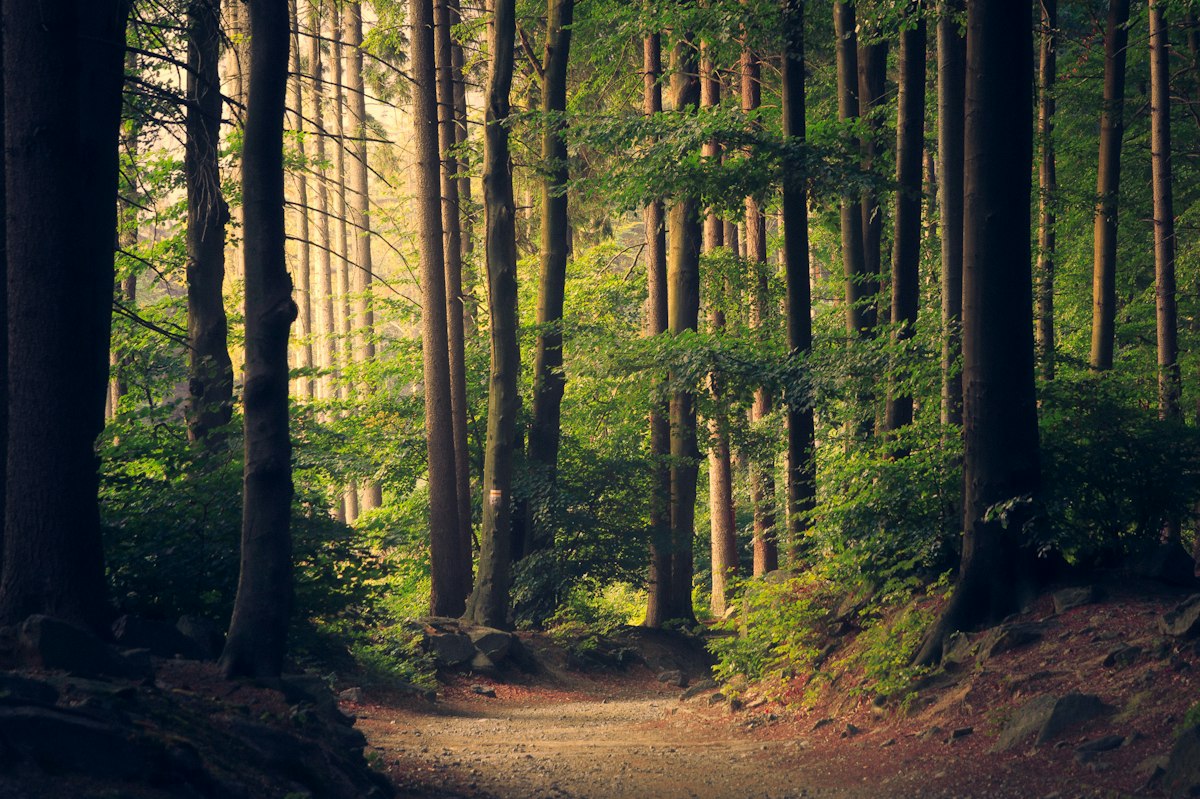
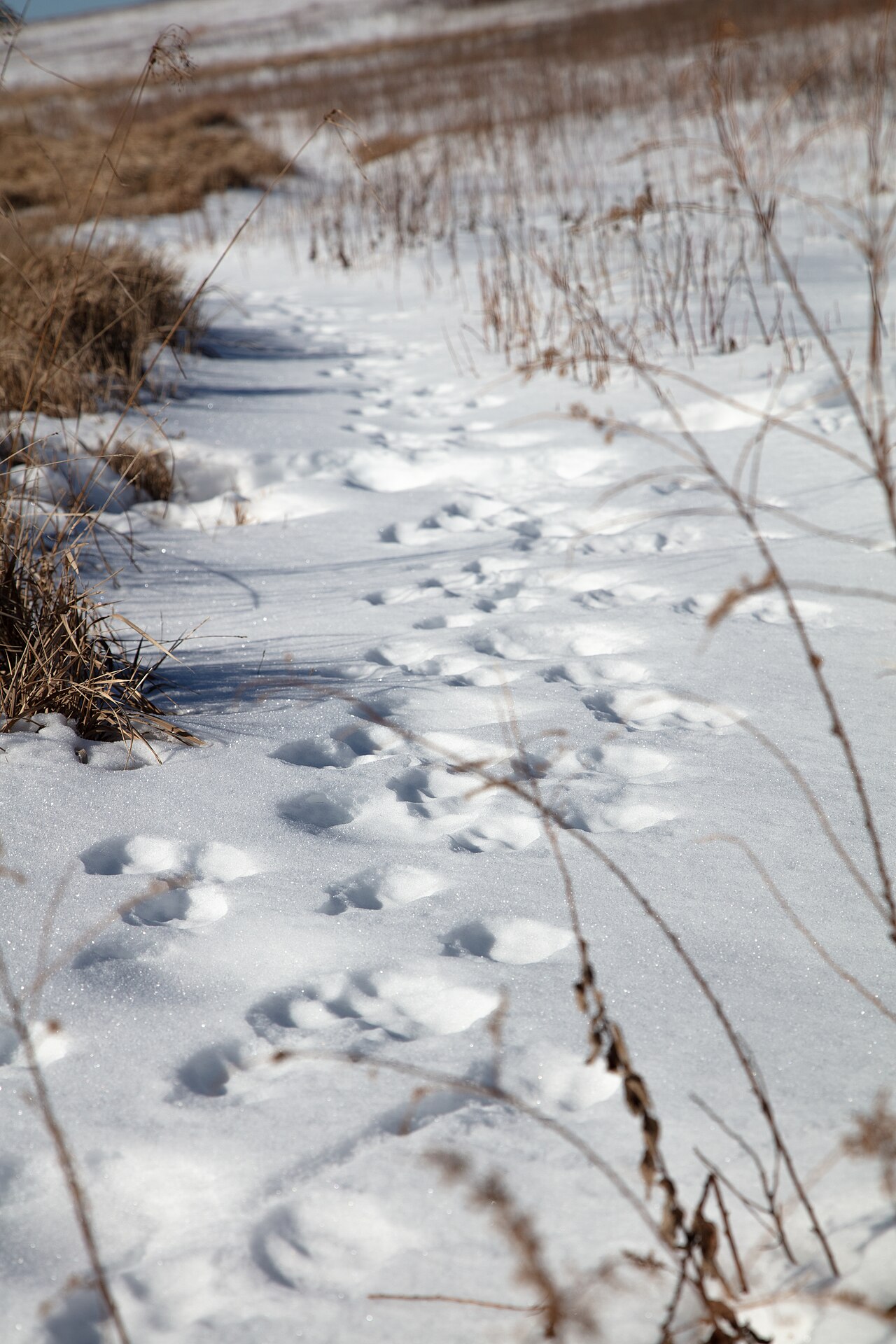
Soft mud and fresh snow may preserve tracks better than a dry hard path. Start beside a familiar permitted trail, not by following marks into dense cover. Notice the weather and surface before interpreting anything. Melting, fresh snowfall or overlapping footsteps can change a print, so its outline is not a perfect stamp of the animal's foot.
Record the whole trail first
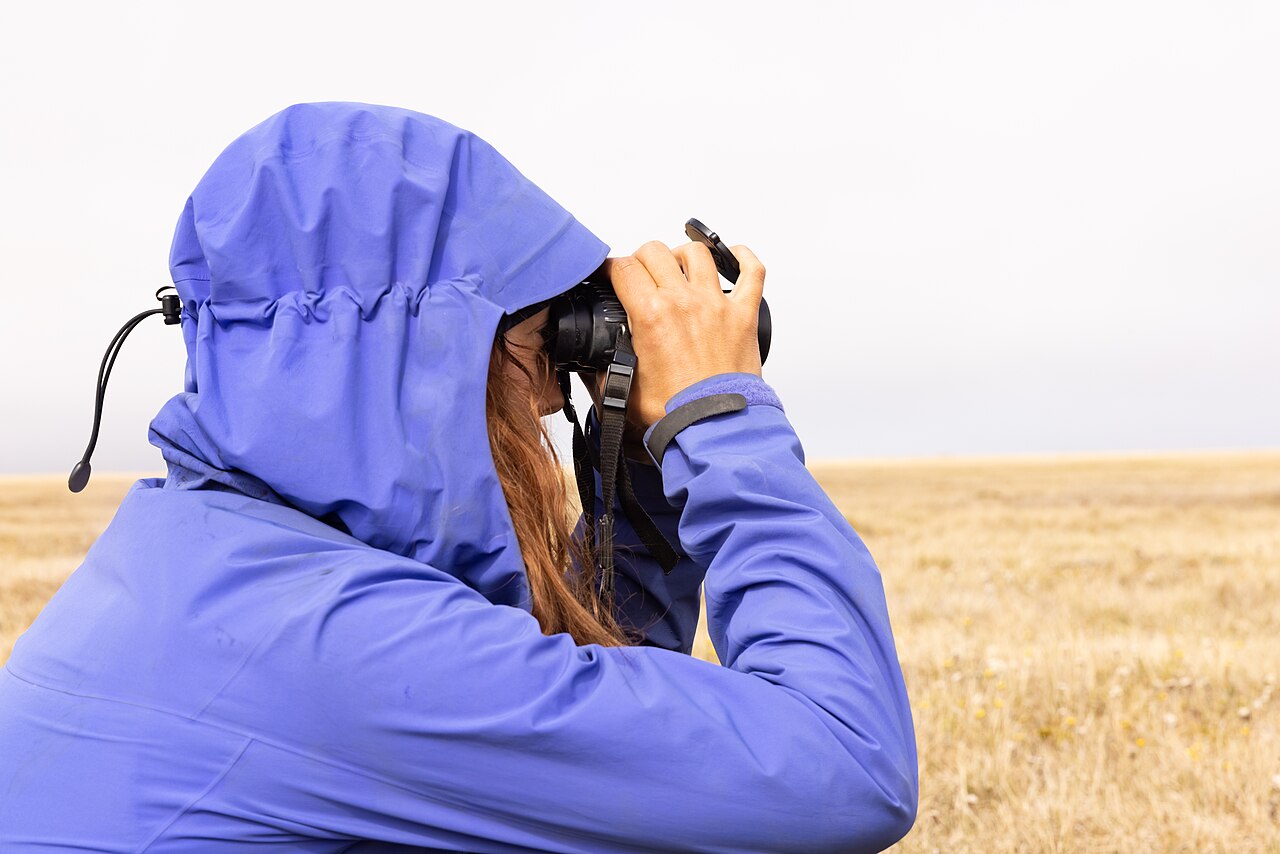
Take a wider photograph showing the direction and pattern of movement, then a close photograph of a clear print. Place a ruler nearby without stepping on the marks. Record print length, width and spacing where visible. A series of tracks provides more context than one isolated impression, especially when several animals or people have passed through the same area.
Separate observation from identification
Write down visible toes, pads, claw marks and any tail drag before choosing a name. Use a regional guide and consider which species actually occur there. Missing claw marks or a rounded shape alone is not a reliable verdict. If the print is incomplete, label it as unidentified rather than turning a plausible guess into a confident record.
Look for behaviour without inventing a story
A trail may show a change in direction, a pause or a crossing of another trackway. These are useful observations, but they do not reveal every event. Record alternatives when several explanations fit. Sketch the arrangement while it is fresh in your memory and avoid touching droppings, nests or feeding remains to obtain more evidence.
Know when to stop following
Do not approach dens, resting places or animals that change their behaviour because of you. Stay on permitted routes, control pets and avoid fragile ground. In winter, unnecessary disturbance can make animals expend energy. A photograph and a careful note are a successful outing even when the owner of the tracks remains unseen and unnamed.
A general educational overview, not a substitute for professional guidance. Check current local rules and trusted primary sources before making consequential decisions.
Share this article