Purring is not a one-word message
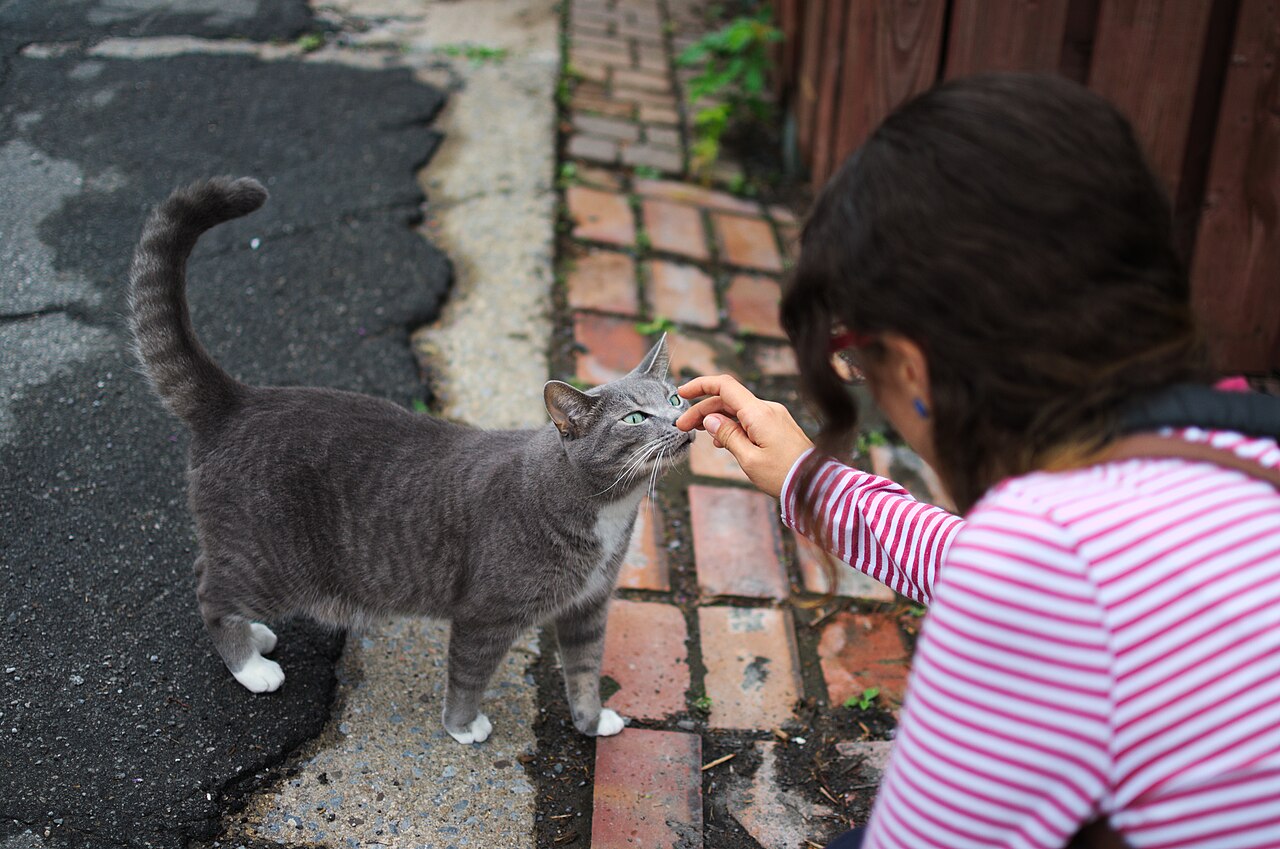
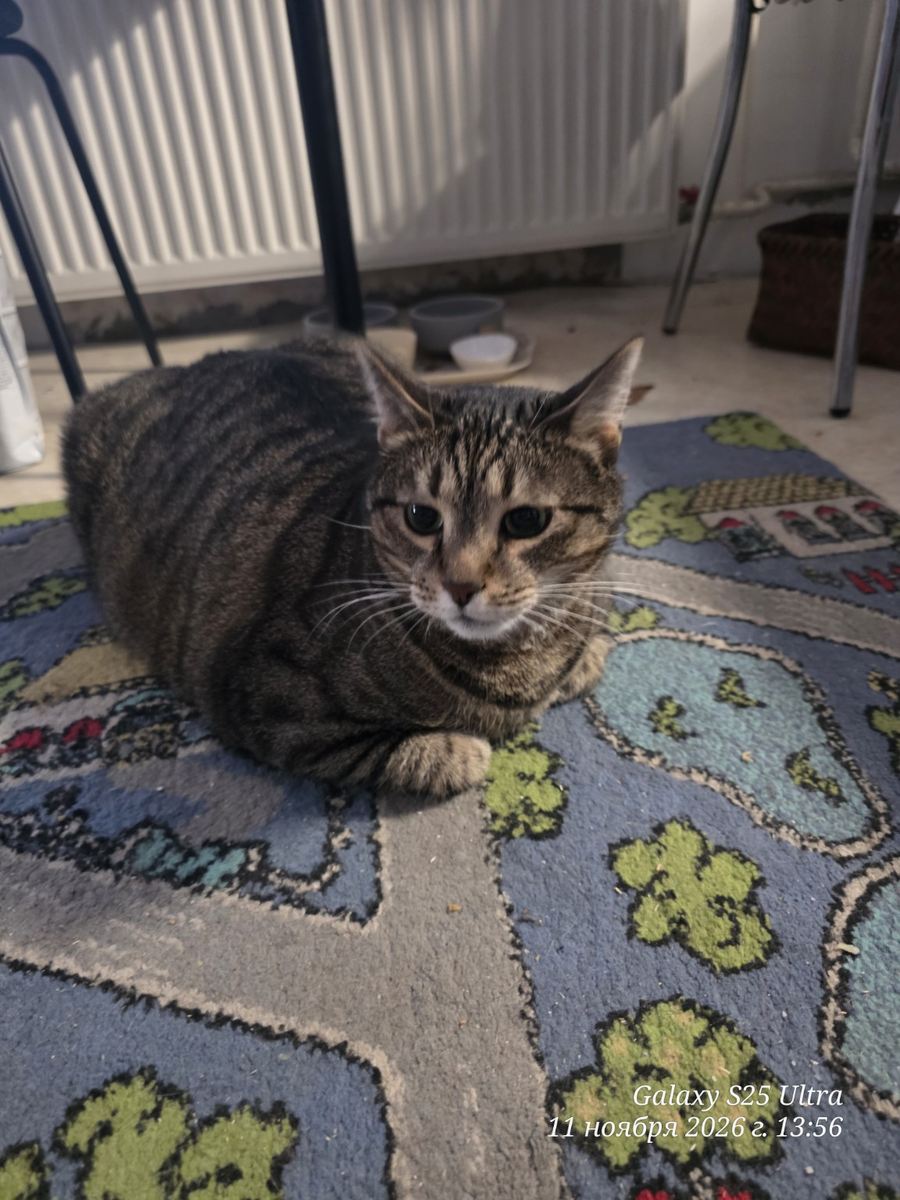
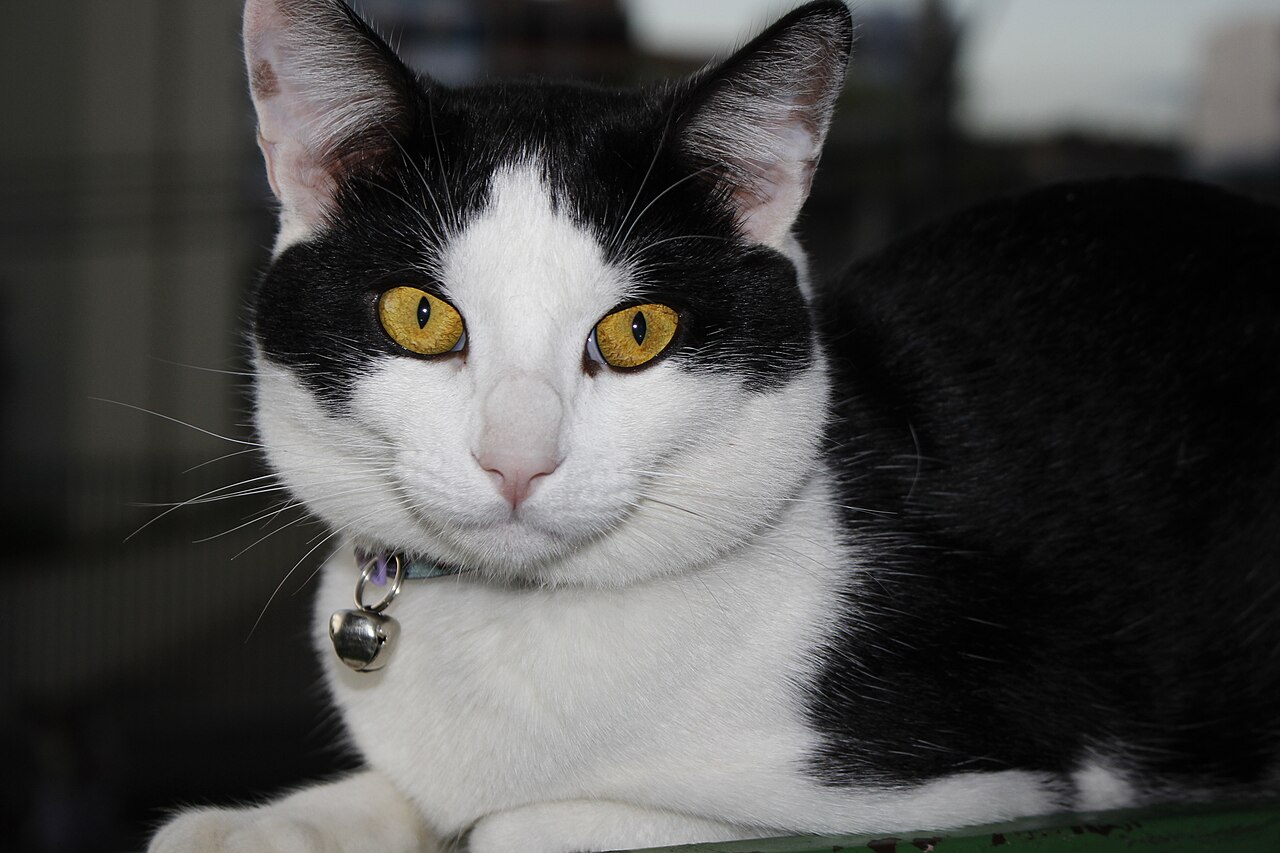
Cats often purr while resting, receiving gentle attention or curling up near familiar people. However, veterinarians also observe purring in stressful or painful situations. The sound must be interpreted alongside the cat's posture, eyes, appetite, behavior and surroundings. A relaxed animal with loose muscles and slow blinking may be comfortable, whereas a tense cat hiding in a corner deserves attention regardless of whether it purrs. Do not assume that every purr is an invitation to pick up or pet the cat.
How do cats produce the rumbling sound?
Purring is produced by vibration within the vocal apparatus of the throat, involving the larynx and airflow during breathing. The Library of Congress explains that scientists have studied the role of laryngeal tissues, muscles and neurological signals. Research has refined earlier simplified explanations, and not every detail of the mechanism is settled. The distinctive feature of domestic cat purring is that the pulsing sound can continue across both inhalation and exhalation, unlike many ordinary meows. The exact pitch and strength vary among cats.
Why mothers and kittens purr
Kittens can begin purring very early in life, including around nursing. Researchers and veterinarians interpret this low-volume sound as one part of close-range communication between a mother and her offspring. A mother cat may purr while feeding or resting with kittens, creating a familiar signal when they are close together. But a kitten's survival does not depend on hearing a magical frequency, and purring alone cannot diagnose that a young animal is healthy. Newborn kittens still need warmth, feeding and veterinary care when unwell.
Purring while being petted or asking for food
A content cat may purr when it chooses to approach, kneads a blanket or settles beside a person. Some cats also use particular purring patterns while seeking attention or food. Individual cats learn routines and respond differently to touch, so respect a cat that moves away, turns its ears or tenses its tail. An animal that purrs while asking to be fed is not necessarily expressing the same emotion as one falling asleep. The broader behavior provides more information than sound volume alone.
Does purring heal broken bones or cure stress?
Some popular articles claim that cat purring frequencies automatically heal bones, reduce inflammation or cure human illnesses. These are stronger claims than current evidence supports. Researchers have investigated possible links between low-frequency vibrations and tissues, but a purring cat is not a substitute for medical treatment. Similarly, purring during illness should not be interpreted as proof that the cat is healing itself. Treat such claims as interesting hypotheses, not established veterinary or human-health therapies.
When purring should prompt a closer look
A change in normal behavior matters more than an isolated purr. If a cat purrs while hiding, stops jumping, eats less, appears stiff, breathes abnormally or reacts painfully to touch, contact a veterinarian. VCA Animal Hospitals notes that purring can accompany discomfort and that cats often hide signs of illness. Do not give cats human painkillers. For more nature and animal explanations, browse /topics/wildlife/ on MURDILIMAX and compare the animal's overall behavior over time rather than judging one sound.
A general educational overview, not a substitute for professional guidance. Check current local rules and trusted primary sources before making consequential decisions.
Share this article