Birds may see reflections or open sky
Glass can reflect trees and clouds or appear to offer a clear passage through a building. Birds do not necessarily recognize it as a solid barrier. This is why windows in gardens and near shrubs can cause serious collisions even in small homes.
Cover the full hazardous area
American Bird Conservancy advises using dense external patterns with no untreated gaps wider than about two inches (roughly five centimeters). Multiple dots, tape strips or purpose-designed film help make the surface visible; one isolated bird silhouette leaves too much dangerous glass.
External screens are an option
Insect screens placed outside the glass can reduce reflections and soften some impacts. Other options include properly spaced cords, shading systems and external films. Check products for weather resistance, visibility, safe installation and building restrictions.
Respond thoughtfully after a collision
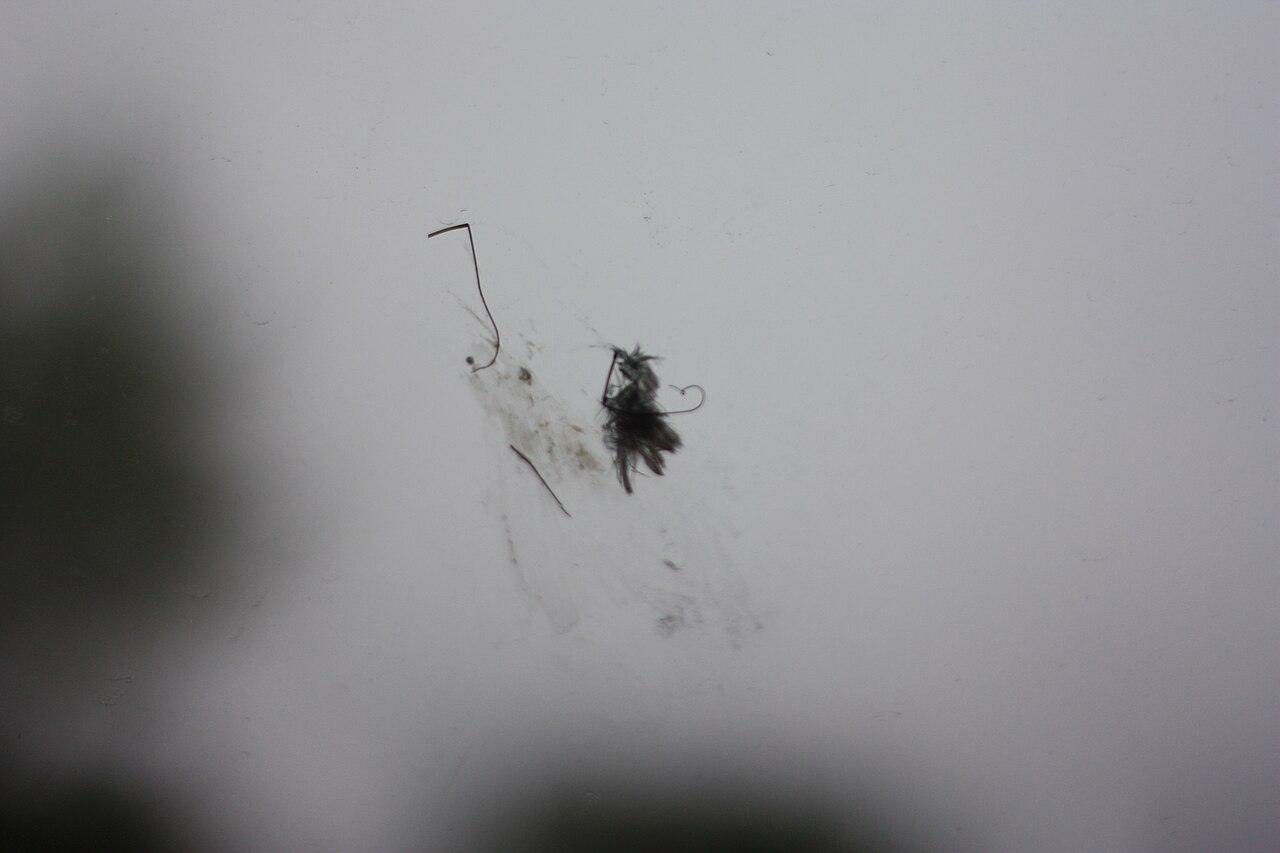
If a bird strikes the glass, keep children and pets away and follow advice from a licensed wildlife rehabilitator or local animal rescue service. An injured bird may need professional care even if it initially appears stunned. Avoid unnecessary handling and do not feed it casually.
A general educational overview, not a substitute for professional guidance. Check current local rules and trusted primary sources before making consequential decisions.
Share this article