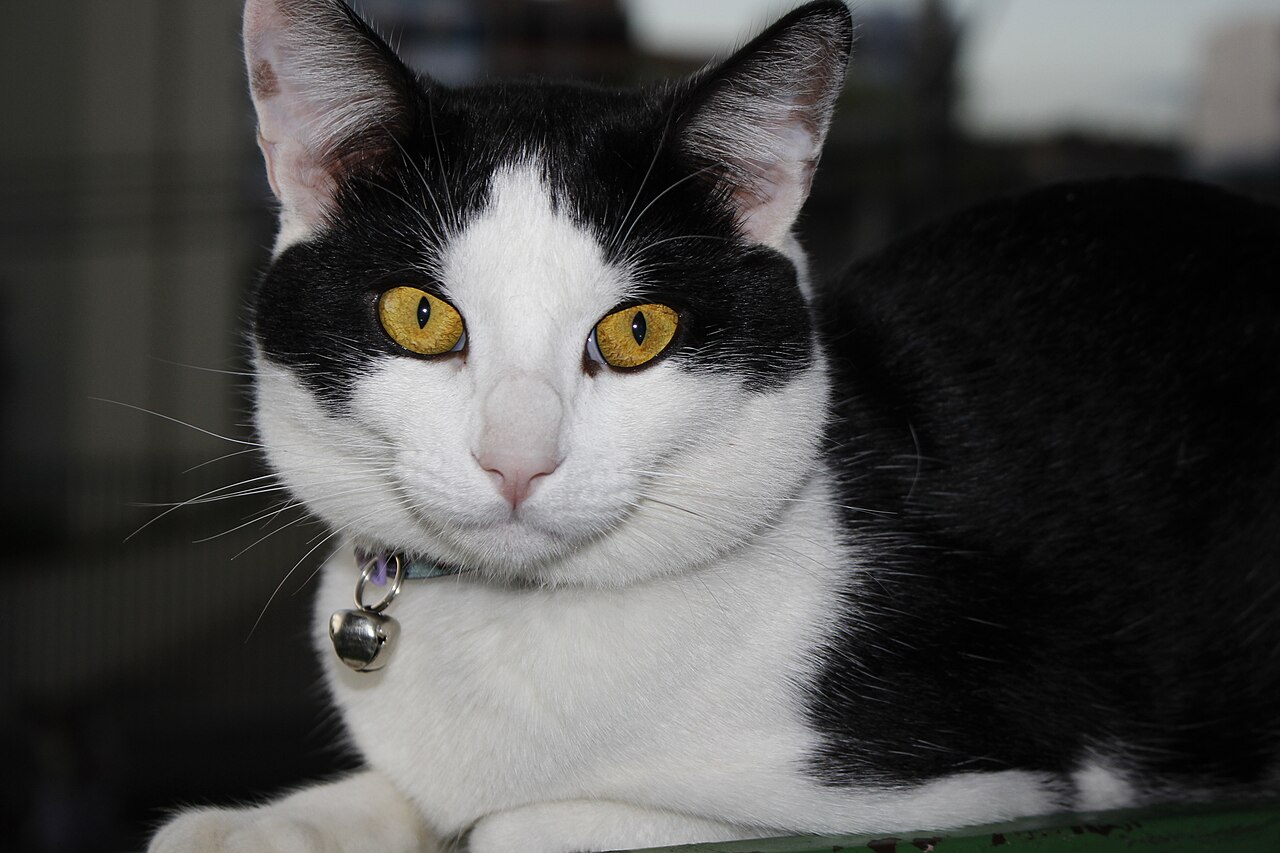
The short answer: purring has more than one meaning
Cats often purr when they feel comfortable, safe or socially connected. A familiar person stroking a relaxed cat may hear that steady rumble, sometimes alongside slow blinking or a loose, comfortable posture. But purring is not an automatic sign of happiness. Cats also purr to request attention or food, and some purr in stressful situations or when hurt. Cats Protection advises checking the animal's whole body language, not treating one noise as a reliable mood detector. Consider where the cat is, what just happened and whether the behavior is normal for that individual. A cat curled up and relaxed on your lap tells a different story from one crouching tightly in a carrier with flattened ears. The same sound can carry different messages.
How cats produce a purr: what scientists have discovered
The familiar purr is a low, pulsing sound associated with vibrations in the larynx, or voice box. Unlike a simple meow, it can continue through both breathing in and breathing out. For decades, a leading explanation emphasized rapid, rhythmic nerve signals activating the laryngeal muscles. Research published in Current Biology in 2023 complicated that account: experiments with isolated domestic-cat larynges showed that the vocal folds can produce purr-like frequencies through airflow and tissue vibration even without continuing neural input. The researchers described specialized tissue pads that can help such a small animal generate a low sound. That experiment does not mean live cats have no nervous control over purring. It shows that passive tissue mechanics are part of the explanation, and scientists continue to study their role alongside muscular control.
Why do cats purr when you pet them or sit beside them?
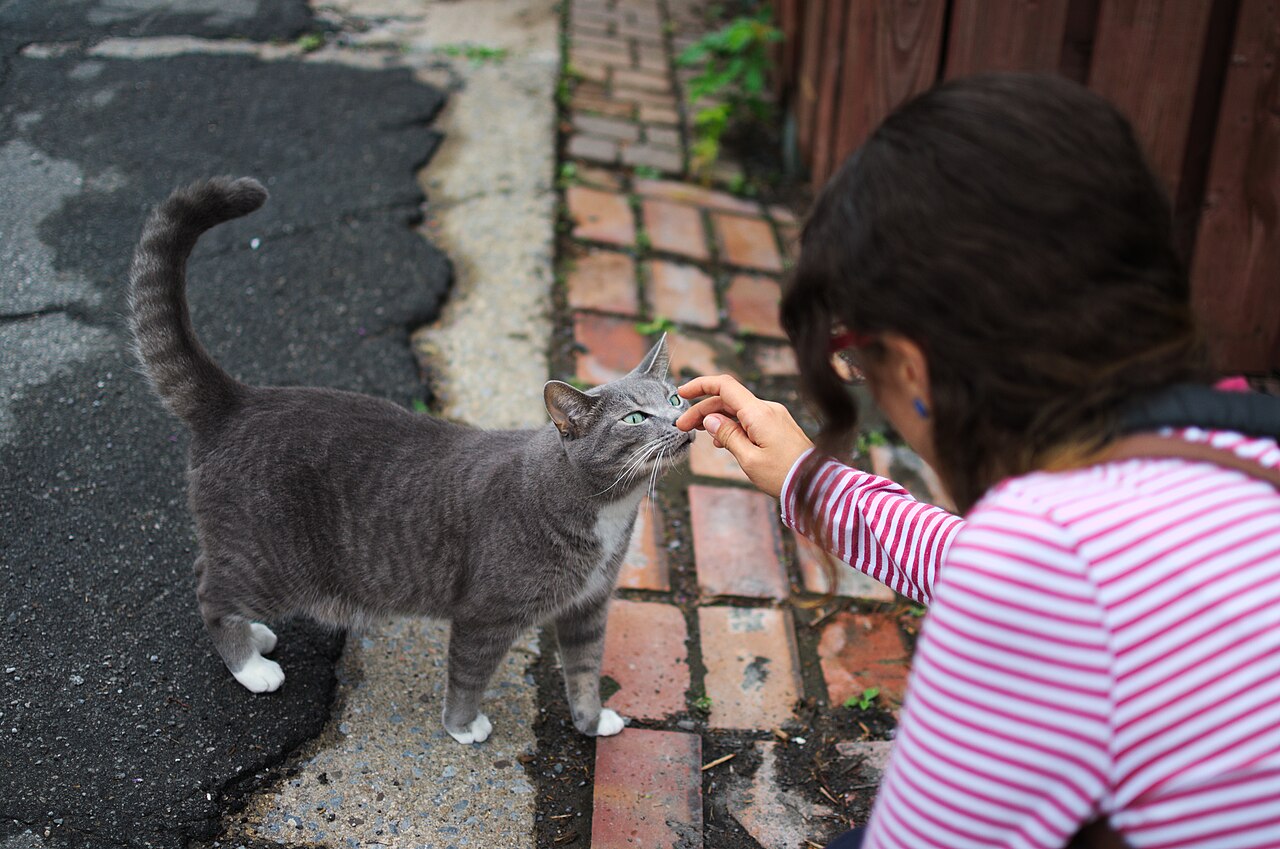
Gentle touch, a familiar scent and calm surroundings often coincide with contented purring. A cat may approach, rub against a person, settle into their lap and purr during a preferred kind of stroking. Some animals use purring as part of a greeting or to maintain friendly contact, according to veterinary behavior specialists at NC State University. Others combine it with kneading: alternating pushes of the front paws into a blanket or soft surface. Do not assume your cat wants endless petting just because it started purring. Watch for a twitching tail, skin rippling, ears rotating away or the head turning to avoid a hand. Pause and allow the cat to choose whether to continue. This makes the interaction safer and more respectful, even if the cat is still producing the sound.
Why kittens purr and why some purr near feeding time
Kittens begin to purr very young. The Library of Congress and veterinary sources describe purring as part of communication between a mother cat and nursing kittens, helping maintain contact during an early stage of life. Mother cats can purr while feeding their litter, and kittens may respond with their own tiny vibrations. Adult cats can also produce a more insistent, attention-seeking purr around food or a desired interaction. Researchers describe some of these sounds as solicitation purrs: a more urgent quality may prompt humans to pay attention, sometimes with a higher-pitched component mixed into the rumble. These patterns vary between cats; not every purring pet is hungry, and not every hungry cat will purr. It is more useful to observe your own cat's routine than to rely on a single universal translation.
Can cats purr when frightened, ill or in pain?
Yes. Cats Protection, VCA Animal Hospitals and veterinary behavior experts all caution that purring may accompany stress or physical discomfort. You may notice it during a car ride, at a veterinary clinic or when the cat is recovering from a problem. Purring by itself does not diagnose an illness and it does not rule one out. If the cat is hiding more, eating less, moving stiffly, refusing to jump, breathing differently or showing sudden changes in energy, arrange veterinary advice rather than assuming the rumble means everything is fine. Open-mouth breathing, obvious breathing distress, collapse or severe injury warrant urgent veterinary care. Do not force handling or try to treat pain with human medicines; many can be dangerous to cats. A reassuring sound is never a substitute for looking at the whole animal.
Does purring heal cats, and how should you respond?
Purring often falls in a low-frequency range, and researchers have proposed that its vibrations might be associated with self-soothing or physical recovery. This is an interesting hypothesis, not proof that purring heals fractures, cures disease or replaces treatment. A 2023 paper studied how the vocal apparatus makes the sound, not whether purring treats injuries. For a contented cat, offer gentle interaction and a quiet place to rest. For an anxious cat, reduce noise and give it a safe escape route rather than insisting on petting. For a possibly sick cat, note changes in appetite, litter-box use and activity, and contact a veterinarian. The most useful question is not simply 'is my cat purring?' but 'what else is my cat telling me right now?' Learn how to observe animals responsibly in /guides/birdwatching-without-disturbance/ and explore other nature questions in /topics/wildlife/.
- Cats Protection — Cat body language and what purring can mean ↗
- North Carolina State University College of Veterinary Medicine — Why do cats purr? ↗
- Current Biology (2023) — Domestic cat larynges can produce purring frequencies without neural input ↗
- VCA Animal Hospitals — Does purring always mean a happy cat? ↗
- Library of Congress — Why and how do cats purr? ↗
A general educational overview, not a substitute for professional guidance. Check current local rules and trusted primary sources before making consequential decisions.
Share this article