Research local rules before the trip
Wildlife-watching rules vary by country, protected area and species. Check the park authority’s current guidance before walking or photographing, particularly for bears, large herbivores, nesting birds and places with seasonal access restrictions. As examples, many US parks require roughly 25 yards from most wildlife and 100 yards from bears or wolves; those figures are not universal rules for all countries. Stay on marked paths where required and understand whether pets are permitted.
Watch behaviour rather than chasing a closer photo
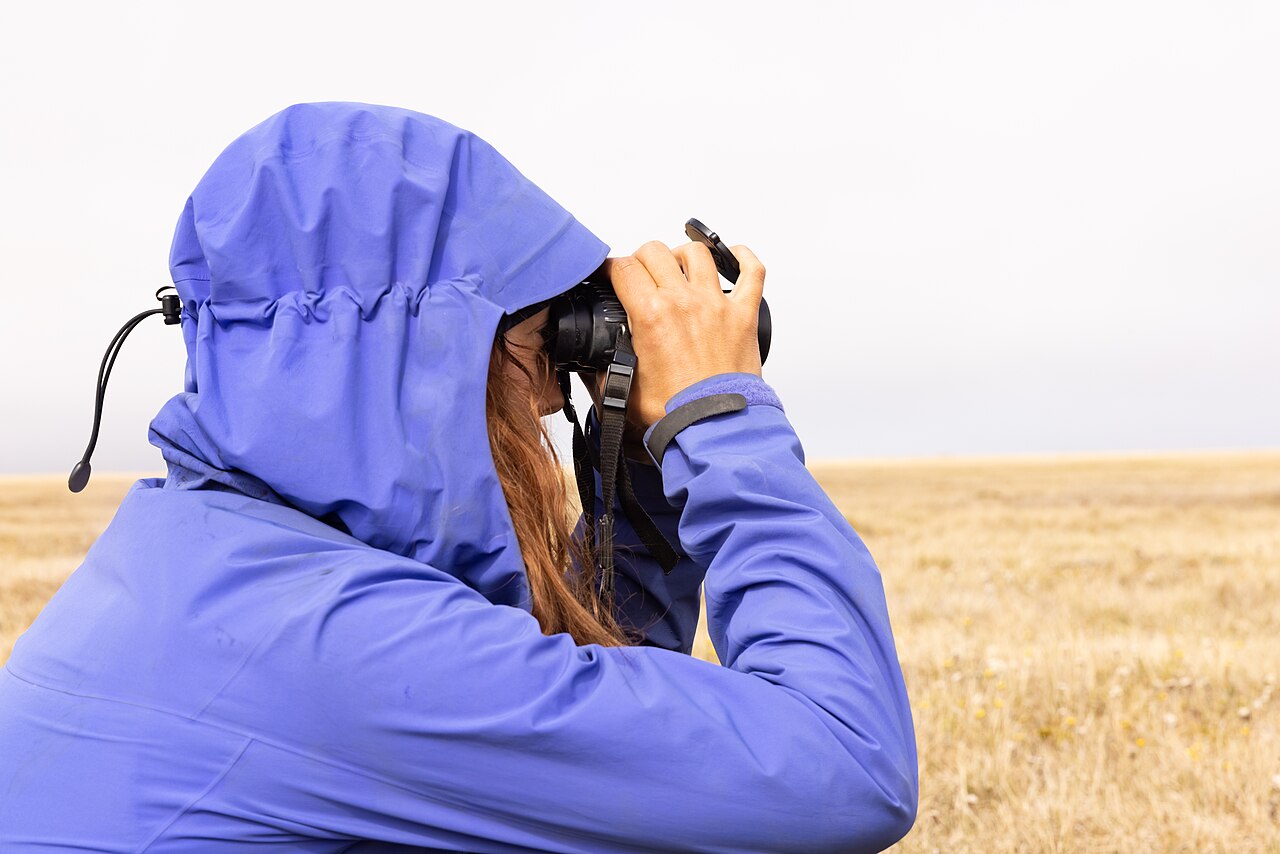
Use binoculars or a telephoto lens instead of stepping toward an animal. If it stops feeding, looks repeatedly at you, changes direction, vocalises in alarm or tries to move away, you are probably too close. Give the animal a clear escape route and leave extra room around mothers with young, dens and nests. Never surround an animal with a group or follow it for a video. A good image is not worth interrupting feeding, resting or breeding.
Never feed wildlife, even with harmless-looking scraps
Human food changes how wild animals approach people and may harm their health. An animal that learns to beg near campsites or roads faces more conflict and the risk of vehicle collisions. Store snacks and rubbish securely and never place bait to attract an animal toward a camera. Do not reach toward an animal or let children touch it. If an animal approaches of its own accord, calmly increase distance rather than trying to interact.
Keep roads, pets and group behaviour safe
View animals from approved pull-offs rather than stopping in traffic or blocking a road. Keep dogs under control according to local rules; even a friendly dog can frighten wildlife or provoke defensive behaviour. Avoid loud sounds, bright lighting at night and drone flights where they are restricted or harmful. Consider quieter hours or smaller groups, but remember that dawn and dusk may also be times when animals are most active on roads.
Know when to stop and report a problem
If an animal appears injured, sick, unusually tame or trapped, do not attempt a rescue without guidance. Contact a park ranger or local wildlife authority and provide a clear location and factual description. Young animals are often being watched by adults nearby, so removing one can make matters worse. For your own safety, withdraw if you feel threatened and follow local emergency instructions. Responsible observation means allowing an animal to carry on its life after you leave.
A general educational overview, not a substitute for professional guidance. Check current local rules and trusted primary sources before making consequential decisions.
Share this article