MURDILIMAX WORLD ATLAS · NATURE

Nature & ecology

Forests, rivers, habitats and how to explore them without harming wildlife.

✳ Discover the world, one topic at a time
✳

Explore reliable guides, memorable facts and practical tools. We publish carefully researched topics and make clear where local rules or professional advice matter.

Explore this collection

Browse guides

← All topics
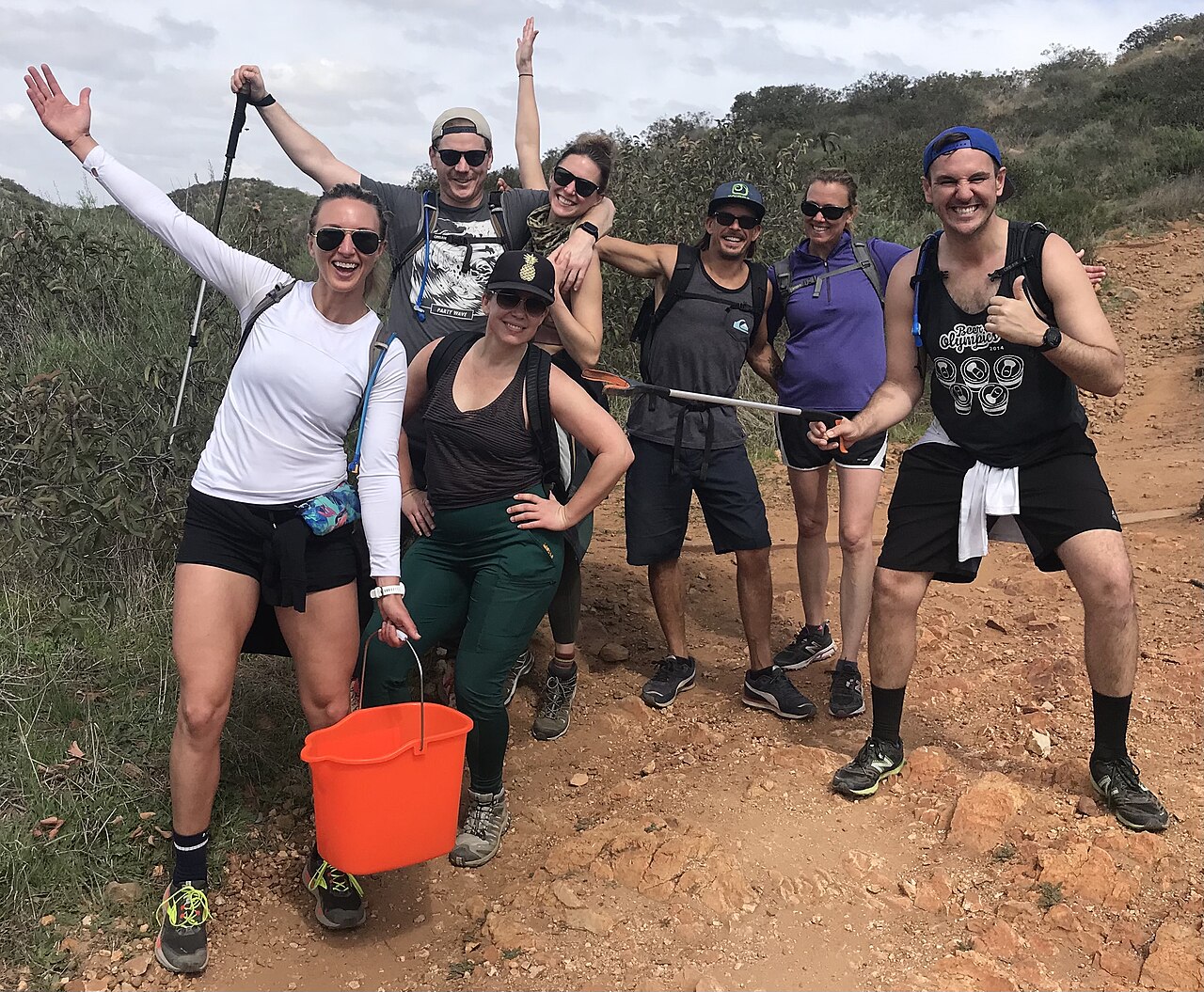
↗Nature & ecology · 1 min readForest walks: a simple checklist for safety and wildlifeEnjoy nature while reducing tick exposure and avoiding harm to fragile habitats.
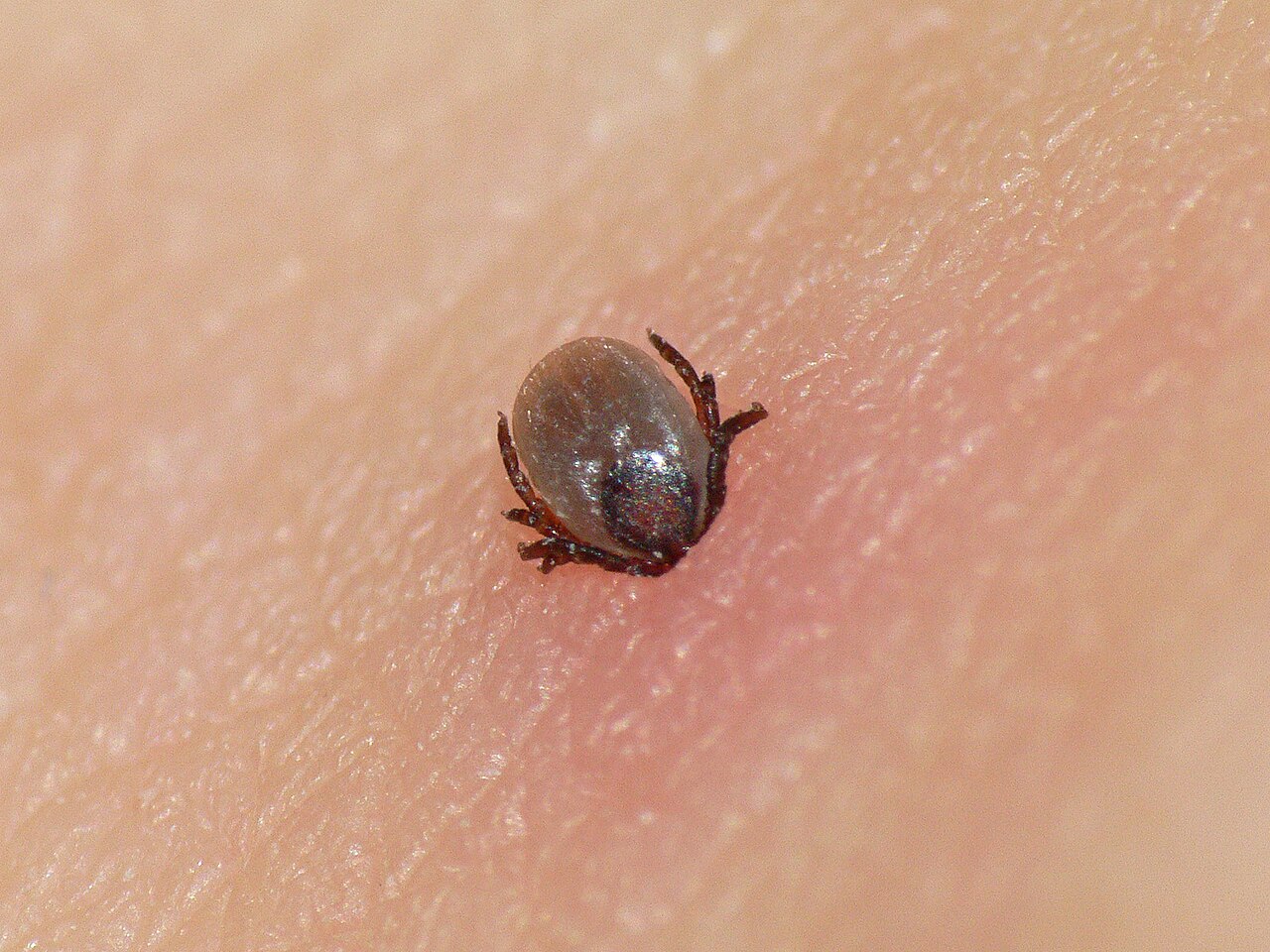
↗Nature & ecology · 1 min readFound a tick after a walk? What to do nextA practical reference for quick removal and when medical advice matters.
↗Nature & ecology · 1 min readLeave no trace: seven habits for forest visitsA practical framework for protecting paths, plants, animals and water.
Rain garden basics: where roof runoff can safely soak into the ground↗Nature & ecology · 3 min readRain garden basics: where roof runoff can safely soak into the groundPlan a planted rain garden with sensible siting, overflow routes and low-maintenance vegetation.
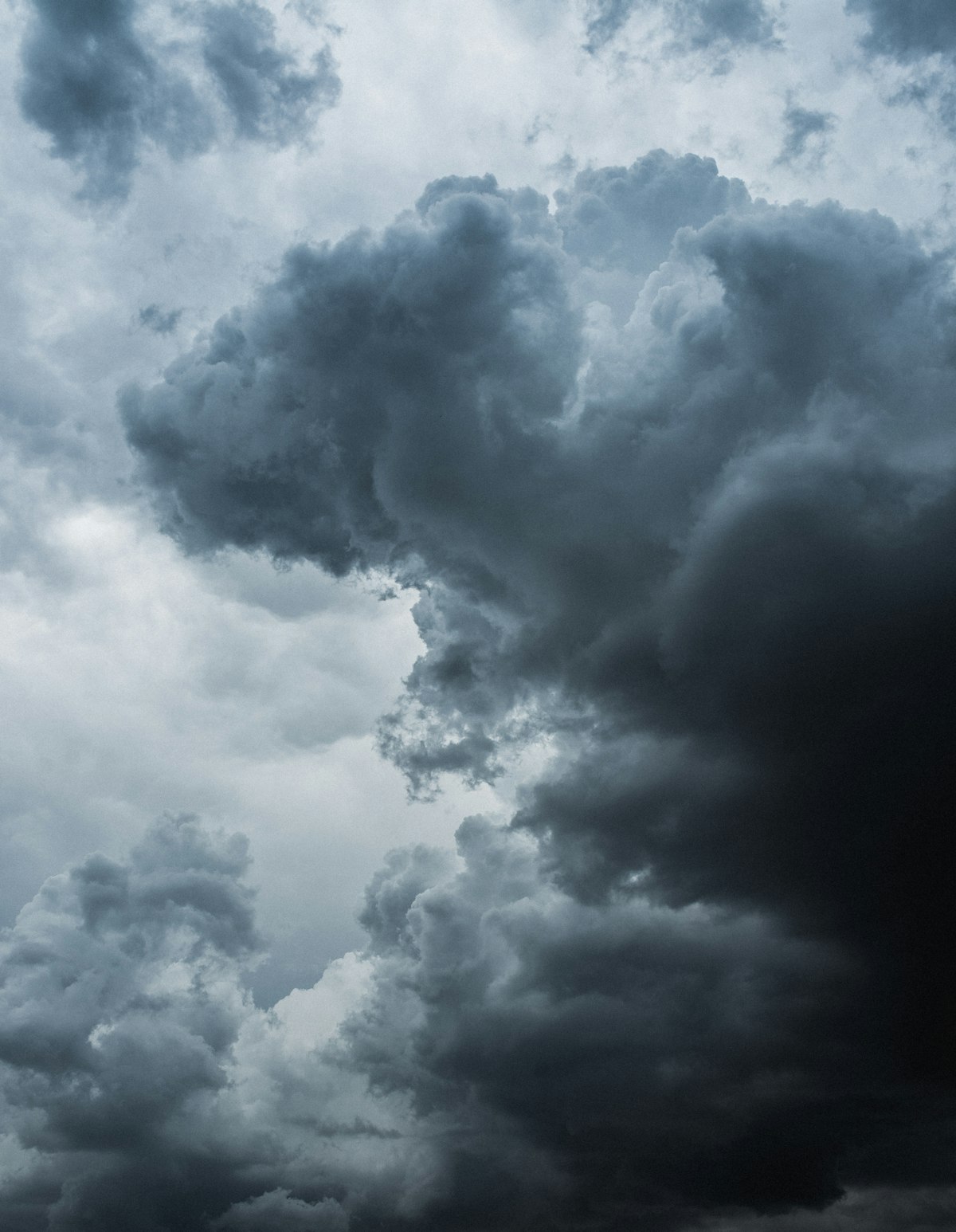
How to recognize common clouds: a field guide for beginners↗Nature & ecology · 3 min readHow to recognize common clouds: a field guide for beginnersLearn the difference between high wisps, layered clouds, fair-weather cumulus and towering storm clouds.
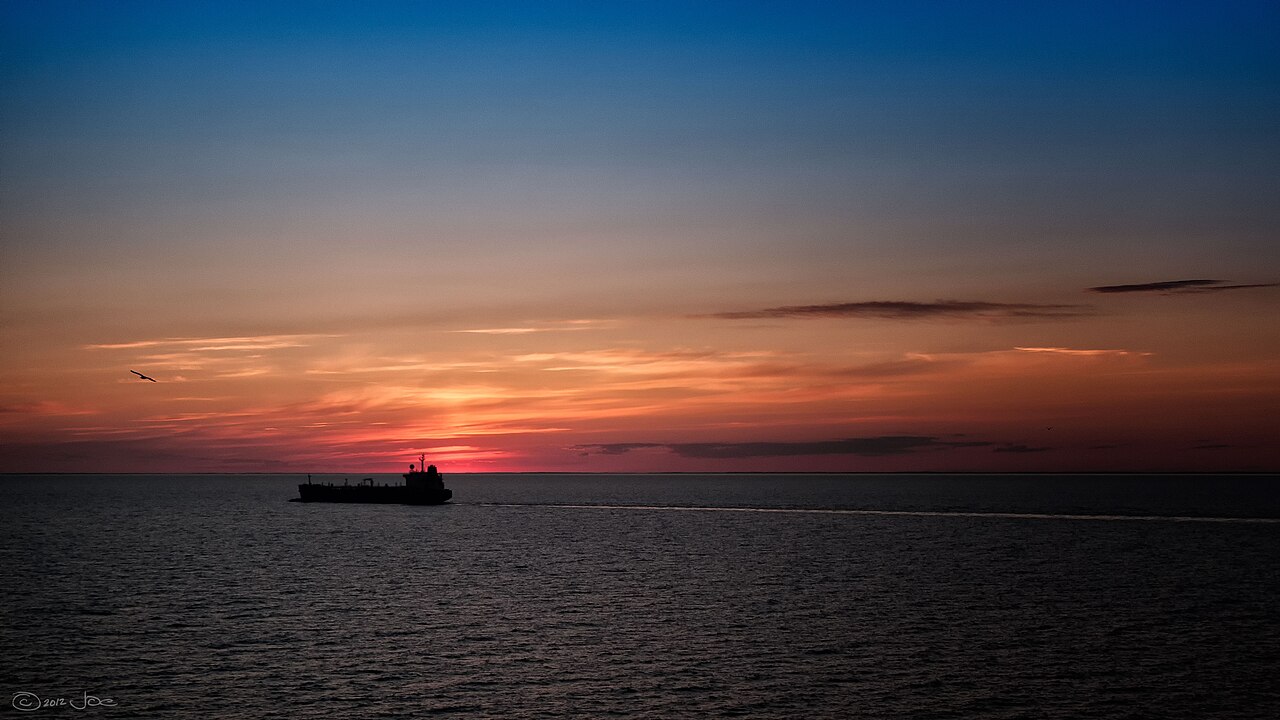
Sunset over the Baltic Sea with sunlight reflected on the water↗Nature & ecology · 3 min readWhy the sea is salty but rivers are freshWhere dissolved salts come from, what evaporation leaves behind and why Baltic water differs from the open ocean.
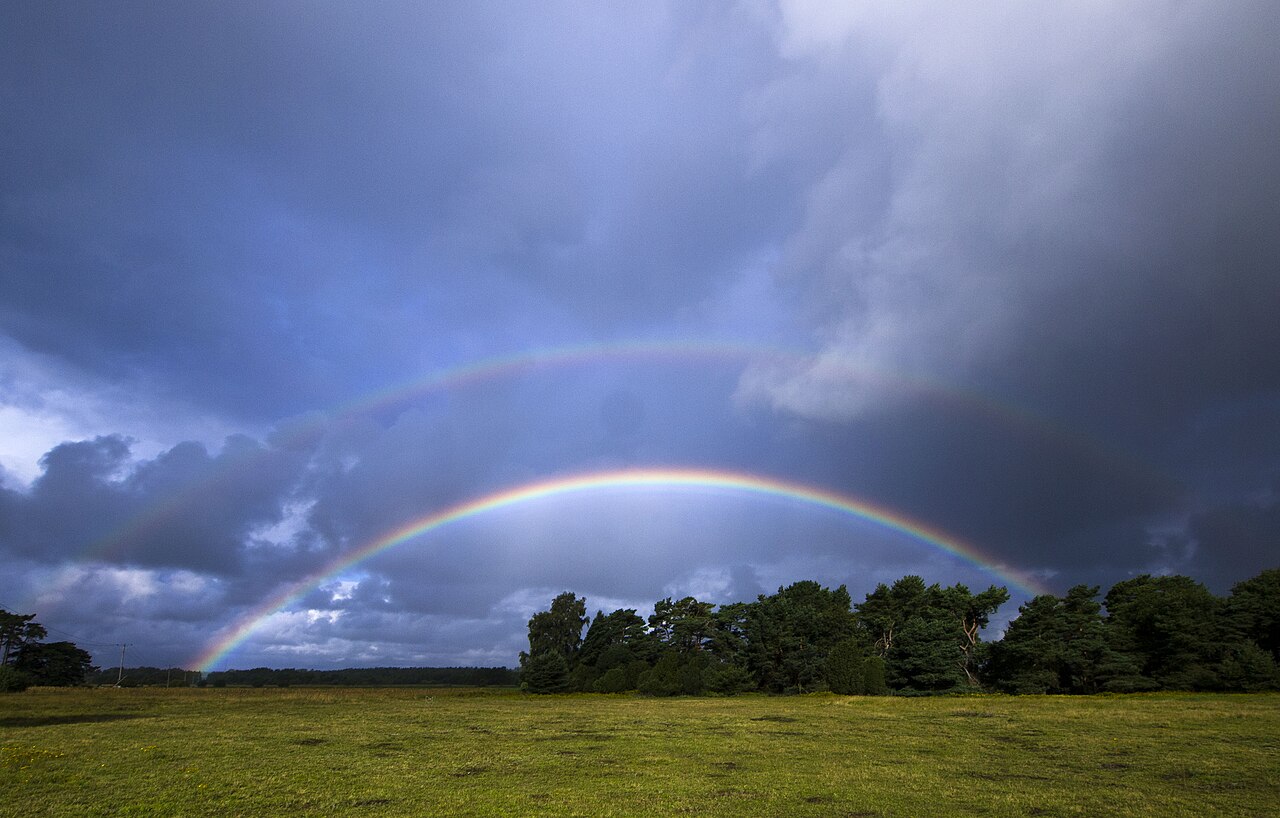
A double rainbow above an open landscape on Gotland↗Nature & ecology · 3 min readWhy double rainbows have reversed coloursWhat light does inside raindrops, why the gap between two bows looks darker and why a rainbow has no reachable end.
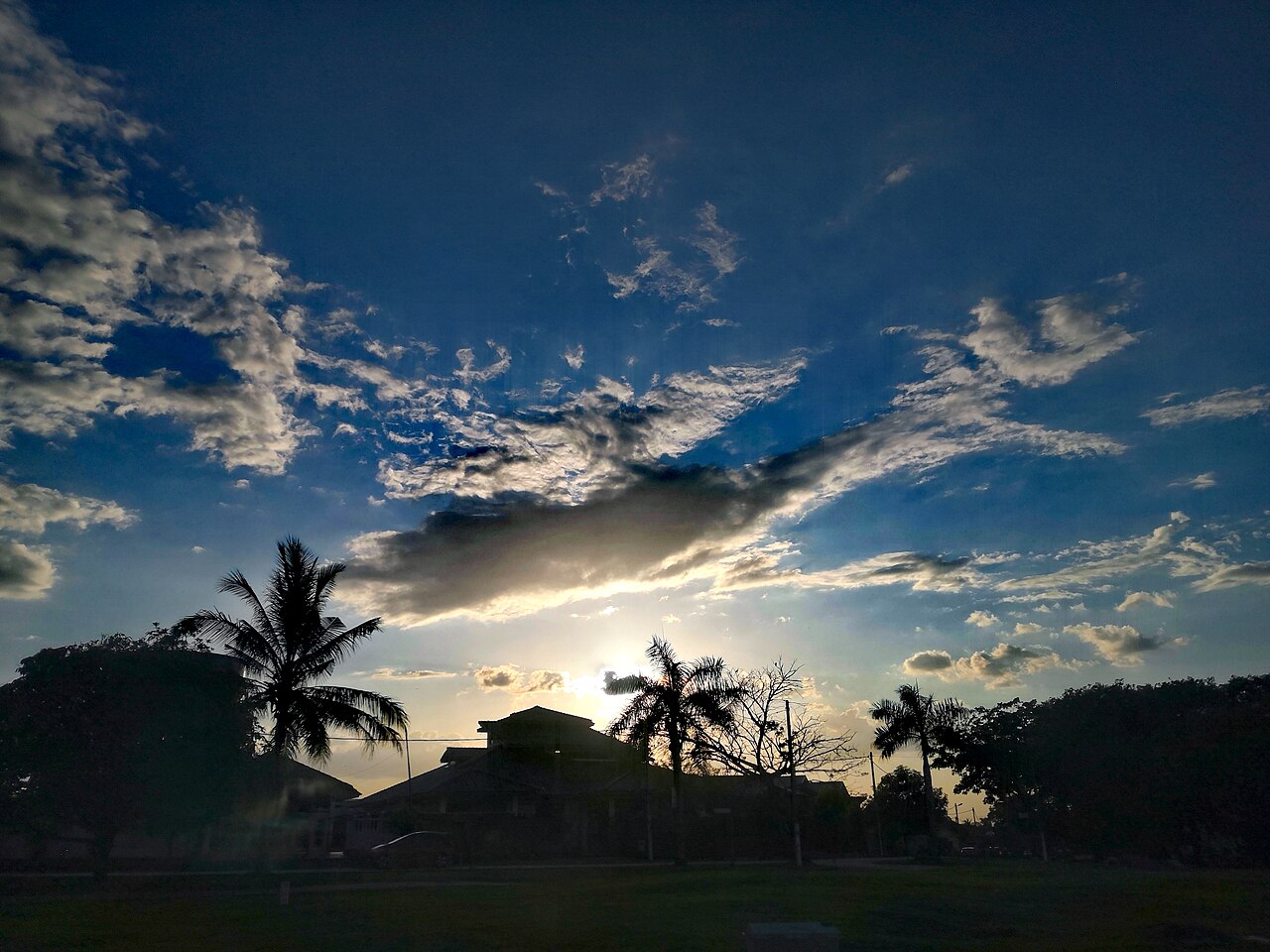
Blue evening sky with warm colours near the horizon in Malaysia↗Nature & ecology · 3 min readWhy the sky is blue and sunsets are redThe same sunlight creates different colours. Understand scattering, the atmosphere and the part played by human vision without equations.
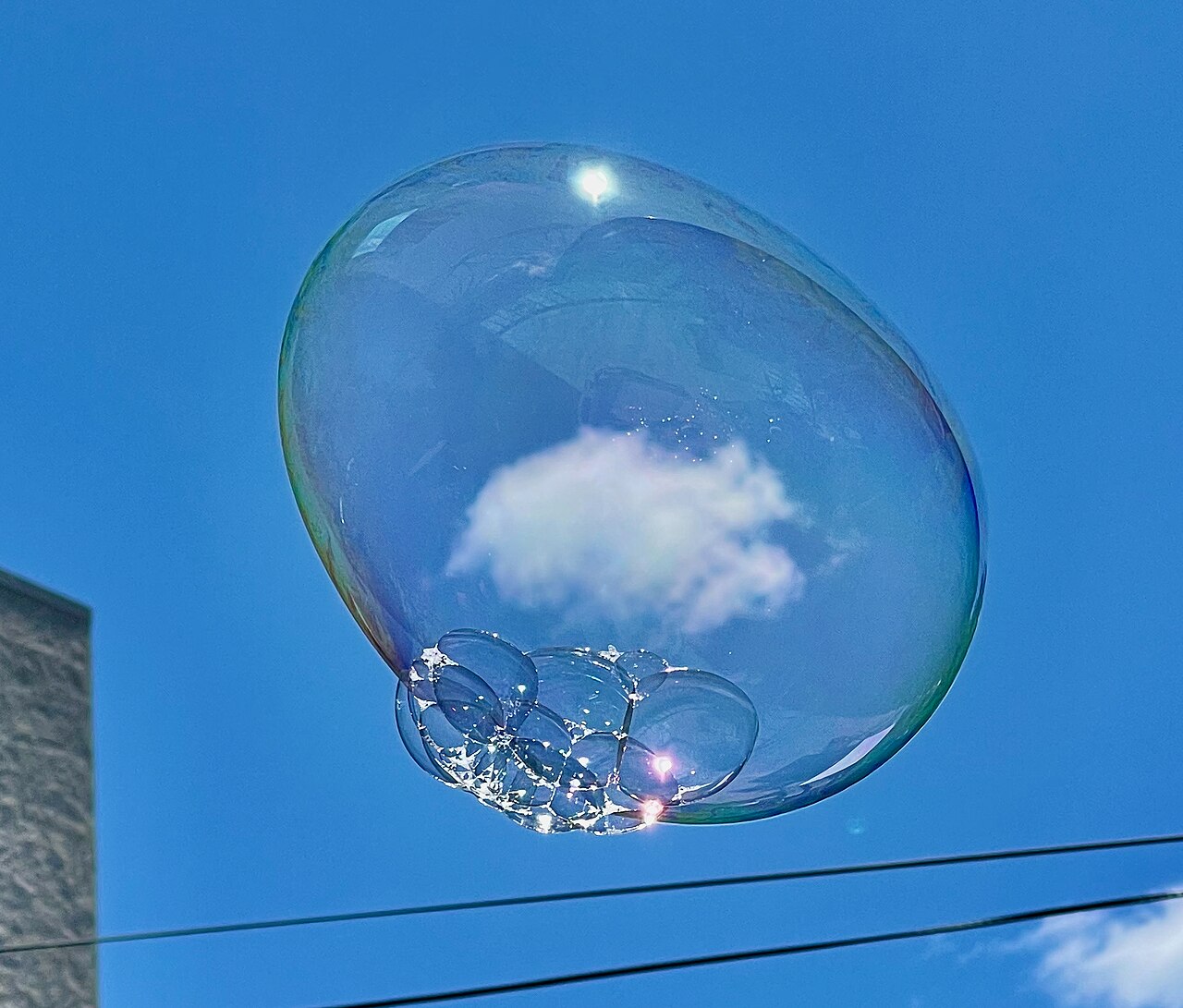
A soap bubble against the sky and a cloud↗Nature & ecology · 3 min readWhy soap bubbles are round and change colourSurface tension, a thin film and interfering light turn a simple bubble into a small physics experiment you can watch.
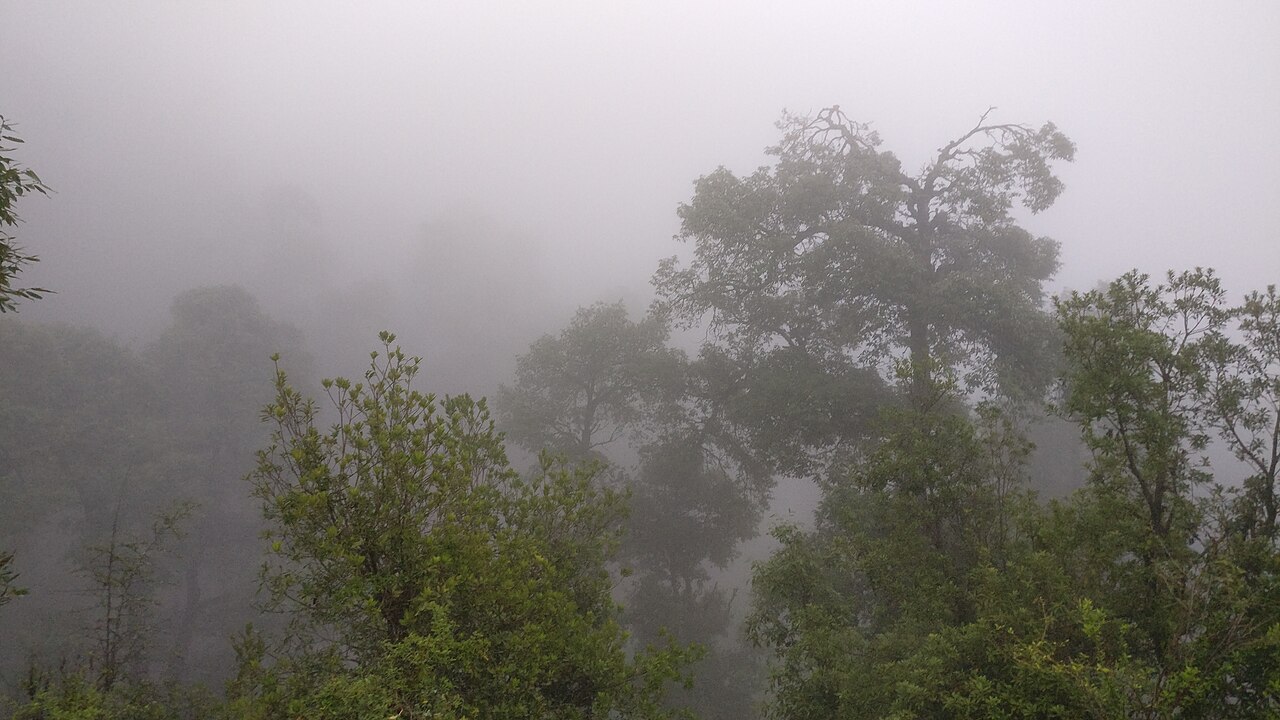
Dense fog spreading among forest trees↗Nature & ecology · 3 min readHow does fog form? Types, morning fog and visibility explainedFog is a cloud near the ground. The interesting question is how humid air reaches the point where tiny droplets form.
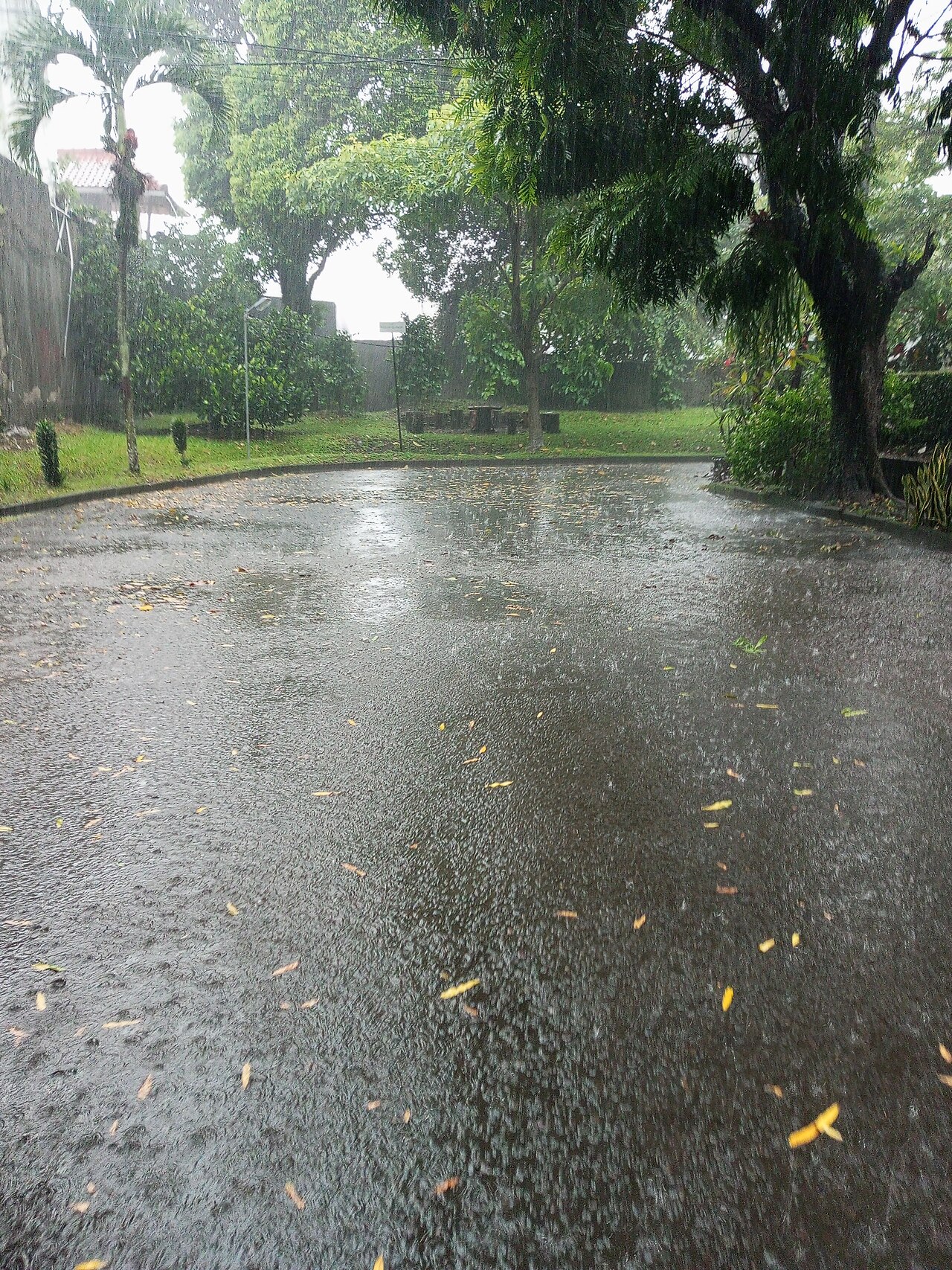
Natural wet ground and rainfall associated with the smell called petrichor↗Nature & ecology · 4 min readWhy does rain smell so good? The chemistry of petrichorThe earthy scent that arrives with rain is not imagined. It is a mix of natural chemicals and a clever physical process involving tiny droplets.
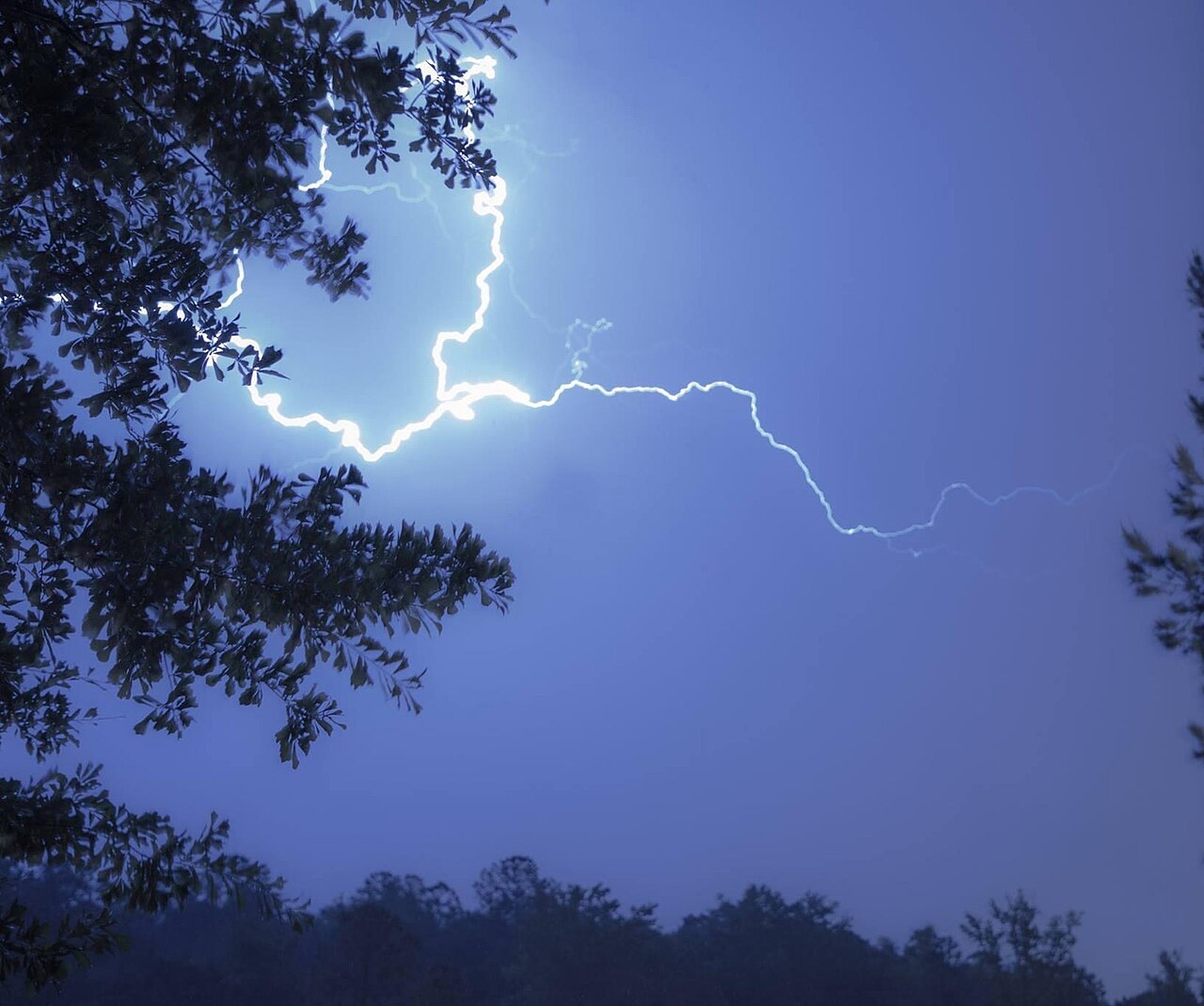
Real highly branched lightning channels visible in the sky↗Nature & ecology · 3 min readWhy does lightning zigzag and branch? The science behind the flashLightning does not draw a perfect straight line from a cloud to the ground. Its branching structure forms in many rapid electrical steps.
Real ice cubes partly submerged and floating on liquid water↗Nature & ecology · 4 min readWhy does ice float on water? Density and hydrogen bonds explainedUnlike many substances, water takes up more space when it freezes. That unusual behavior shapes lakes, icebergs and life in winter.
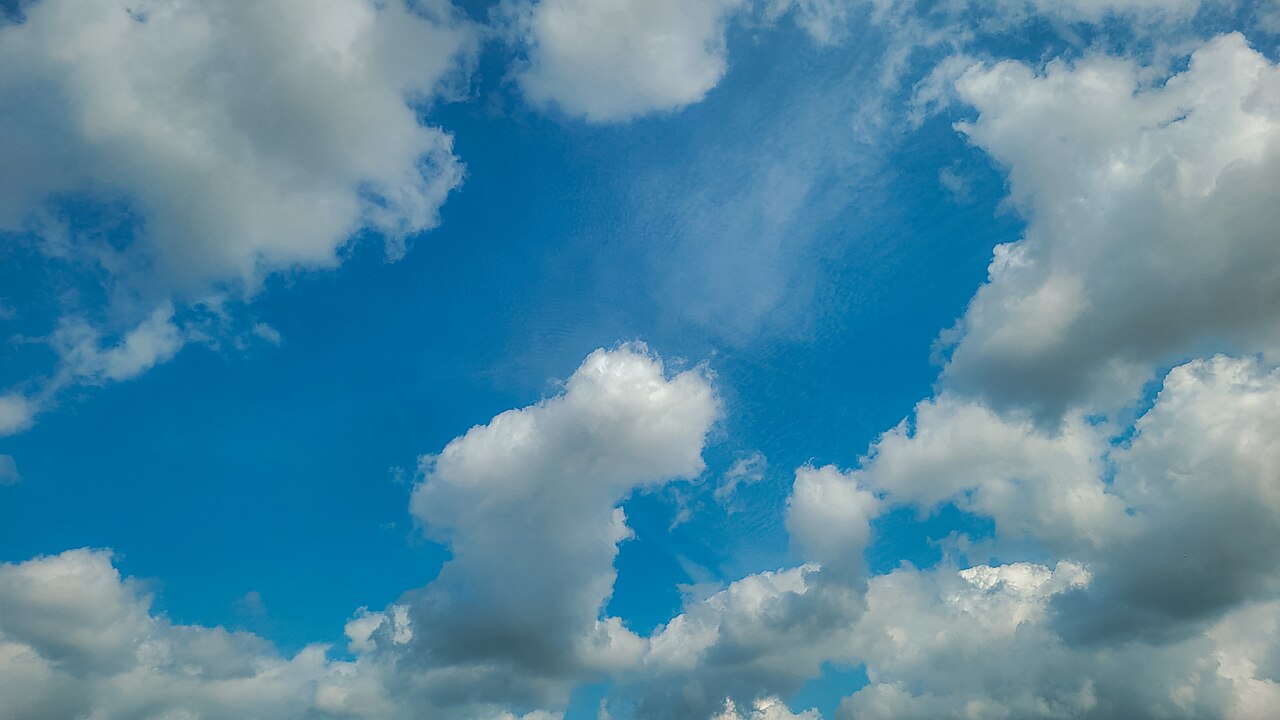
Real wide-angle photograph of vivid blue daytime sky with scattered white cumulus clouds and thin wispy clouds↗Nature & ecology · 5 min readWhy Is the Sky Blue and Why Are Sunsets Red?A clear explanation of how sunlight and air create blue skies, orange sunsets and white clouds—without the myth that the sky reflects the sea.