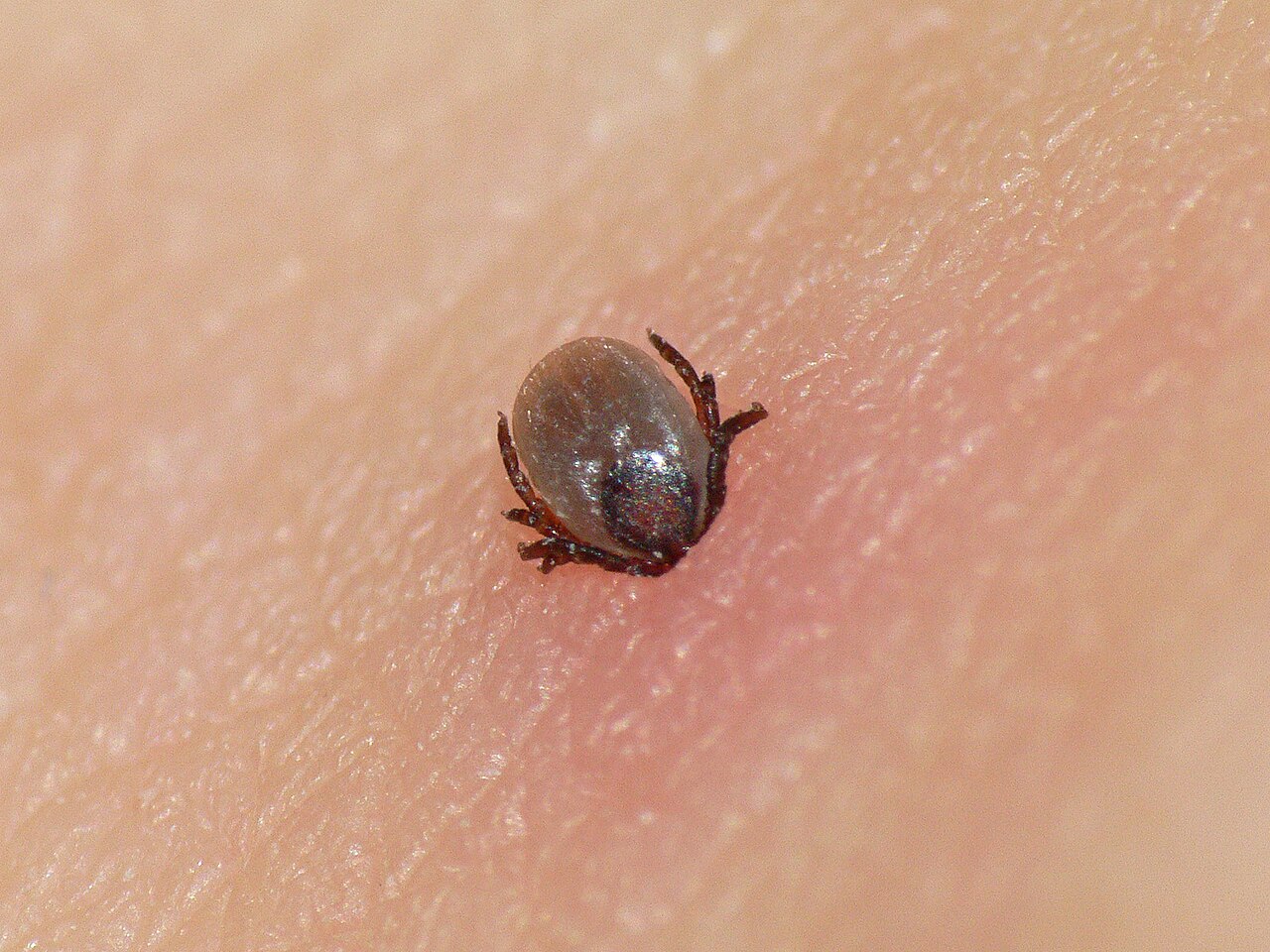
Remove an attached tick promptly
If a tick is attached, remove it as soon as practical using clean fine-tipped tweezers. Grasp near the skin and pull steadily away without twisting. Prompt removal matters more than waiting for a special device.
Avoid old-fashioned tricks
Do not burn the tick or cover it with petroleum jelly, nail polish or other substances. They do not reliably detach it and may increase the risk of irritation. Clean the bite area and hands after removal.
Monitor your health
A rash, fever or other unexplained symptoms after a tick bite deserve medical assessment, even when symptoms appear days or weeks later. Tell the clinician when and where you were bitten. A test of the tick itself does not reliably determine whether you are infected.
Prevent future bites
Use recommended repellents, wear appropriate clothing, stay on cleared paths where possible and check skin, clothing and pets after outdoor activities. Regional risks and advice vary by country and season.
A general educational overview, not a substitute for professional guidance. Check current local rules and trusted primary sources before making consequential decisions.
Share this article