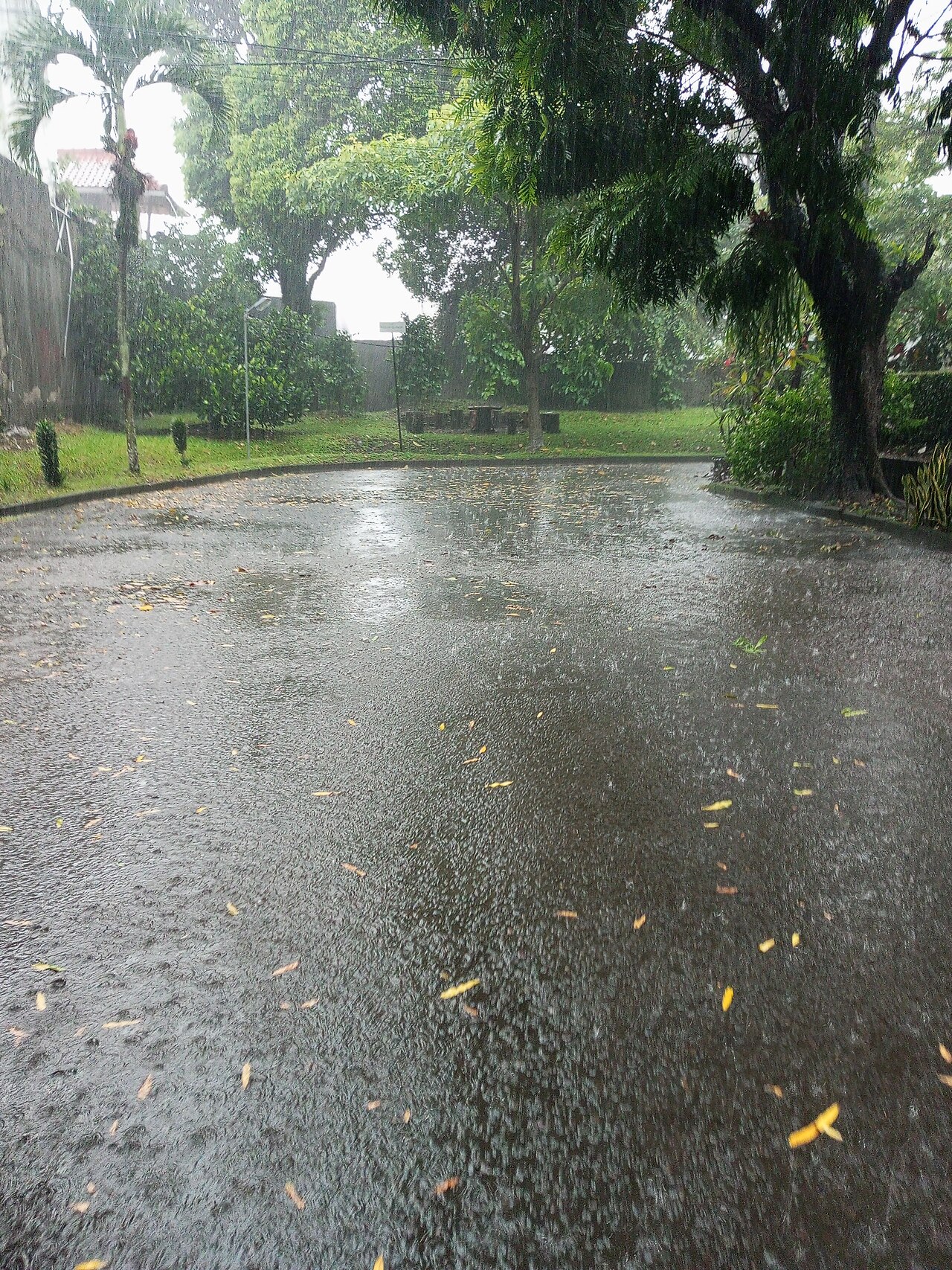
What the word petrichor actually means
Petrichor is the distinctive earthy scent many people notice when rain falls on ground after a dry spell. The term was introduced by Australian researchers in the 1960s to describe this recognizable aroma. It is not a single bottled chemical or proof that the rainwater itself has a special smell. Instead, compounds already present in soil, plants and the atmosphere can reach our noses when weather changes. Different surfaces and seasons create different blends, so a wet forest, city pavement and dry garden may not smell exactly the same.
Geosmin: a tiny amount can smell surprisingly strong
Geosmin is a natural organic compound made by some soil microorganisms, including actinobacteria, and by other organisms. Scientific research describes its characteristic earthy smell and shows that humans can detect very small amounts in the air. The ground may already contain geosmin before a storm begins; rainfall helps make these odor molecules noticeable. This is one reason why the smell of turned soil and the smell after rain can seem related. Geosmin is not the same as a health guarantee about the cleanliness of the soil or water.
Plant oils and other compounds add to the scent
During dry periods, plants can deposit oils and other organic molecules on soil or porous rock. A later rain can help release some of these compounds. The American Chemical Society lists geosmin, plant oils and, under certain storm conditions, ozone among factors influencing rain-related odors. The exact chemistry is complicated and the balance varies by location. Avoid the oversimplified claim that all rain smell comes only from ozone, or only from bacteria. One person's 'fresh' smell can be a mixture of several separate sources.
How a raindrop can launch scent into the air
In a 2015 MIT study, researchers used high-speed imaging to watch raindrops hit porous ground. A drop can trap microscopic air bubbles beneath it, which rise and burst to send tiny aerosol droplets into the air. Those aerosols may carry odor compounds such as geosmin and plant molecules that were resting near the surface. MIT reported that light and moderate rain on suitable porous materials can create more of these aerosols than very intense rainfall. It is a plausible transport mechanism, not a claim that every raindrop behaves identically everywhere.
Why the first drops after dry weather smell distinctive
After days without rain, soil and dry surfaces can accumulate odor-producing material. Initial rainfall disturbs the surface and releases compounds into moving air; a light breeze may carry the scent before the strongest rain reaches you. The outcome depends on soil moisture, porosity, temperature, wind and local vegetation. A sharp smell immediately before a thunderstorm may instead reflect electrical and atmospheric changes, including ozone, rather than the same earthy petrichor that follows drops hitting soil. These two smells can overlap without being identical.
Is the fresh smell a sign of clean air?
No. A pleasant earthy aroma does not certify that rain, soil or air is free from microbes, allergens, chemicals or pollution. MIT's aerosol observations show that droplets may transport biological material as well as odor chemicals. Avoid drinking rainwater or handling contaminated soil based on smell. For related explanations on MURDILIMAX, explore /guides/how-fog-forms-types-and-safety/, /guides/why-sky-blue-sunset-red/ and /guides/cloud-types-field-guide/. They cover other ways the atmosphere changes what we see and feel.
A general educational overview, not a substitute for professional guidance. Check current local rules and trusted primary sources before making consequential decisions.
Share this article