Understand the purpose before digging
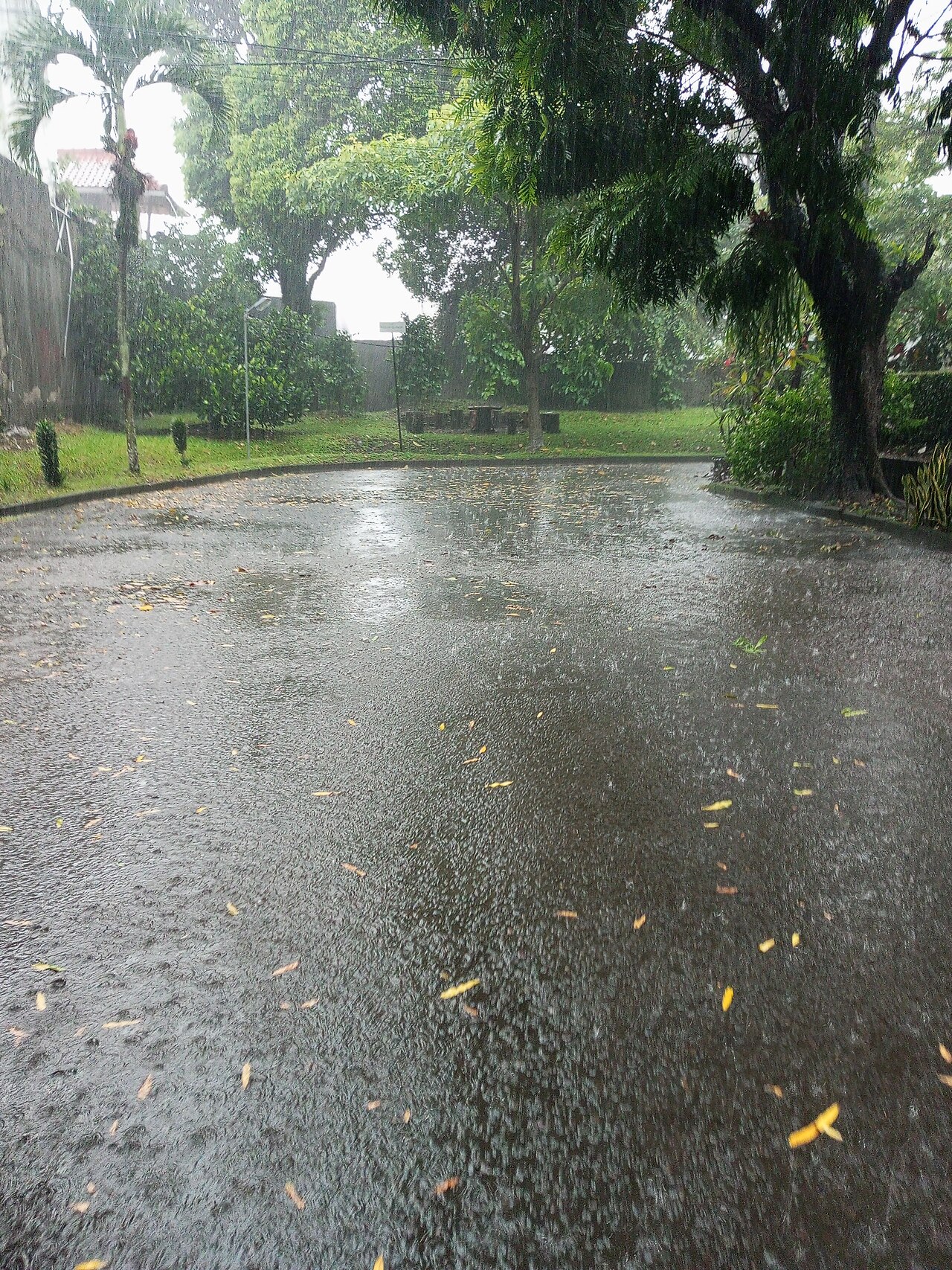
A rain garden is a shallow planted depression that temporarily collects runoff from a roof or paved surface so water can soak into suitable soil. It is not a permanent pond and cannot solve every drainage problem. Correctly designed gardens can reduce water running toward storm drains and help filter pollutants. Before starting, walk outside during rain to identify where water naturally moves and whether it pools near a building. Photograph the flow and note where safe overflow could go in a very heavy storm.
Choose a safe site away from vulnerable structures
Avoid locations right beside house foundations, wells, septic systems, underground services or unstable slopes. Local guidance sets different minimum distances and setbacks; the Massachusetts homeowner fact sheet, for example, gives specific separation recommendations. Check your municipality's standards and call the appropriate utility-marking service before digging. Do not redirect runoff onto a neighbor's plot or a public pavement. If the yard is already saturated for long periods, a conventional rain garden may not be appropriate without professional drainage advice.
Test drainage and plan for overflow
The soil must drain the stored water within a suitable period so the garden does not become a stagnant pond. Simple observation after rain helps, but a proper infiltration test and local design guidance are better for deciding size and construction depth. Sketch the source of incoming runoff, a shallow sloped inlet and a safe overflow route for storms larger than the design can handle. Avoid excavating into utilities or damaging tree roots. Never assume that a decorative flower bed with no overflow can manage water from an entire roof.
Select plants for wet and dry periods
Rain-garden plants may face wet soil immediately after a storm and dry spells between events. Choose species suited to your region, light conditions, soil and expected water depth. Local native grasses, sedges and flowering perennials often provide resilient choices and support wildlife, but verify each plant's invasiveness and suitability before planting. Group plants with compatible moisture needs and leave room for mature size. Mulch carefully to limit erosion while keeping inlets and drains clear.
Maintain the garden and inspect after storms
Look for blocked inlets, sediment buildup, erosion, standing water that does not recede and damage to nearby paths or foundations. Remove litter and invasive plants, replace dead vegetation and direct overflow safely. New plants need extra care until roots establish. Observe several rain events before claiming the system works. A rain garden is a small landscape water-management feature, not a substitute for repairing leaking drains, grading problems or a failing foundation.
A general educational overview, not a substitute for professional guidance. Check current local rules and trusted primary sources before making consequential decisions.
Share this article