Prepare before heading out
Check weather, route rules and possible closures before visiting a protected area. Take an offline map, adequate clothing and water. Good planning reduces emergency decisions that can damage habitats.
Choose durable paths and campsites
Stay on established trails and use designated campsites wherever available. Walking around muddy patches widens tracks and damages vegetation. Follow local restrictions around riverbanks and fragile wetlands.
Leave wildlife and natural objects alone
Do not disturb nests, feed wild animals, relocate creatures or pick protected plants. Natural objects, even fallen branches and small stones, may serve as habitat or belong to a protected site. A photograph is often a better souvenir.
Carry out what you bring in
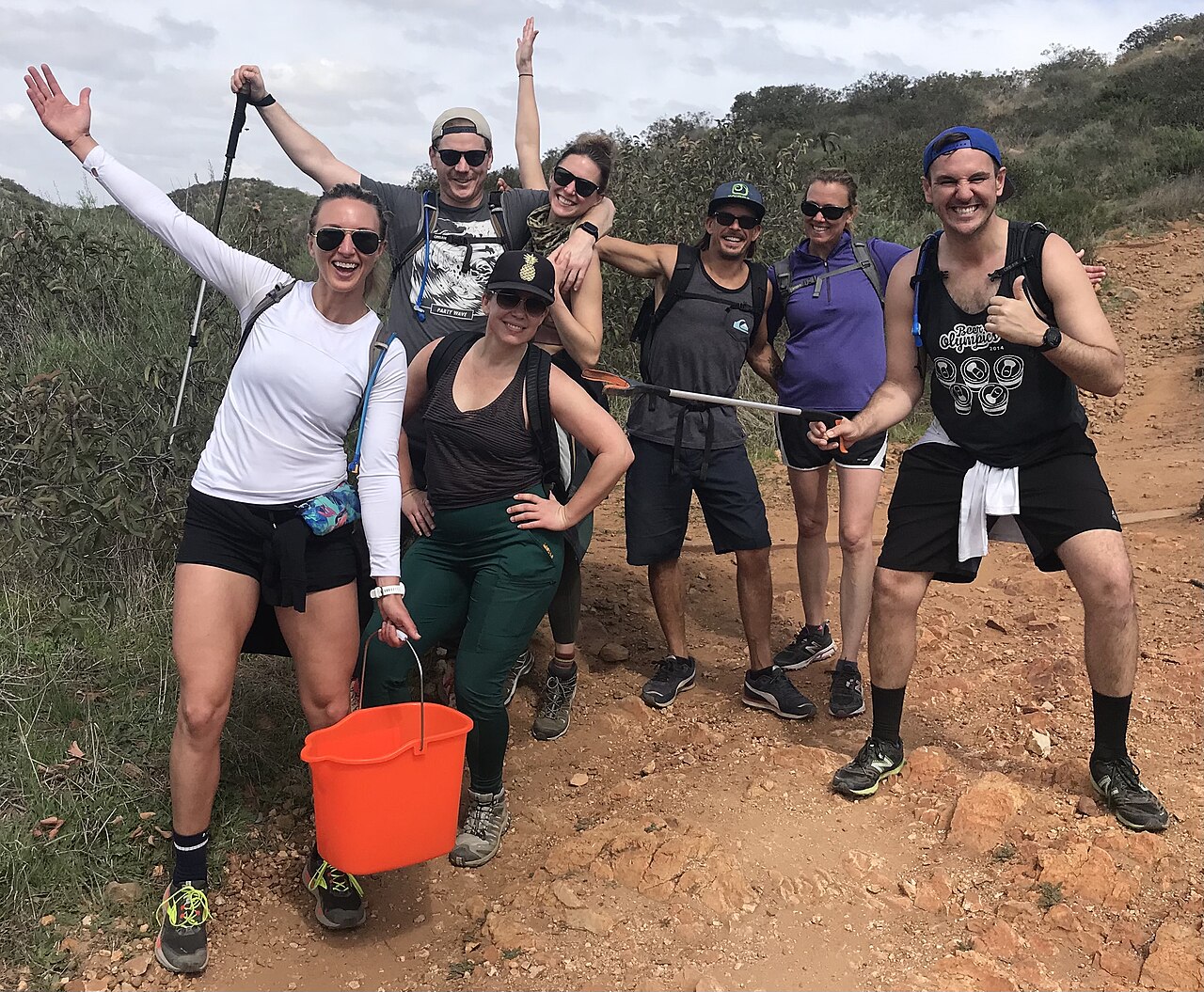
Remove rubbish, food scraps and fishing line. Use toilets where available, and never assume a biodegradable product can be discarded by streams. Keep fires only where permitted and fully extinguish them.
A general educational overview, not a substitute for professional guidance. Check current local rules and trusted primary sources before making consequential decisions.
Share this article