MURDILIMAX WORLD ATLAS · ASTRONOMY

Space & astronomy

Discover the Moon, sunlight, eclipses and the night sky with science-based explanations and safe observation tips.

✳ Discover the world, one topic at a time
✳

Explore reliable guides, memorable facts and practical tools. We publish carefully researched topics and make clear where local rules or professional advice matter.

Explore this collection

Browse guides

← All topics
↗Space & astronomy · 1 min readMoon phases: why the Moon changes shape in the skyUnderstand new Moon, full Moon and the roughly 29.5-day cycle without common myths.
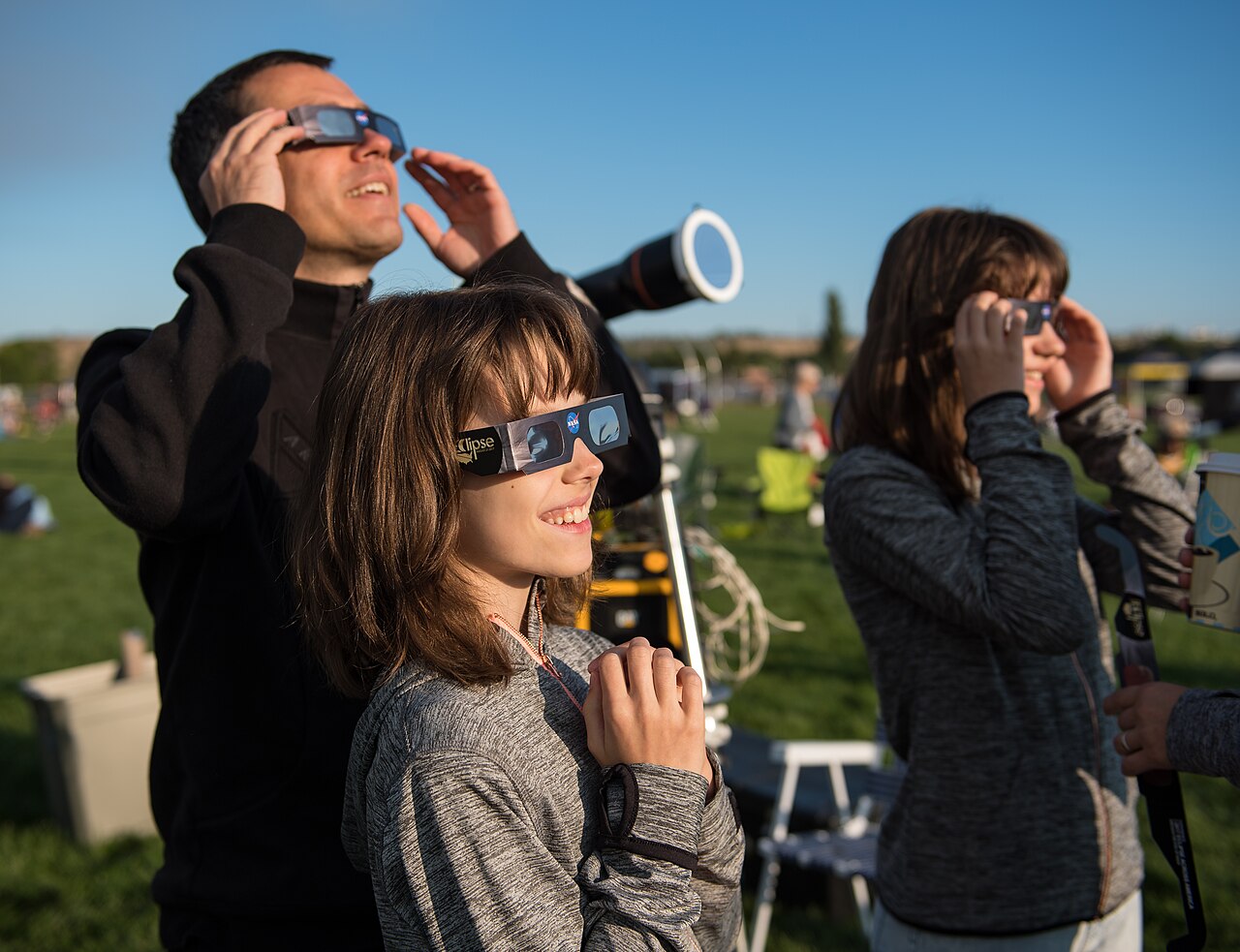
↗Space & astronomy · 1 min readHow to watch a solar eclipse safelyOrdinary sunglasses and phone cameras are not eye protection. Learn the rules before you observe.
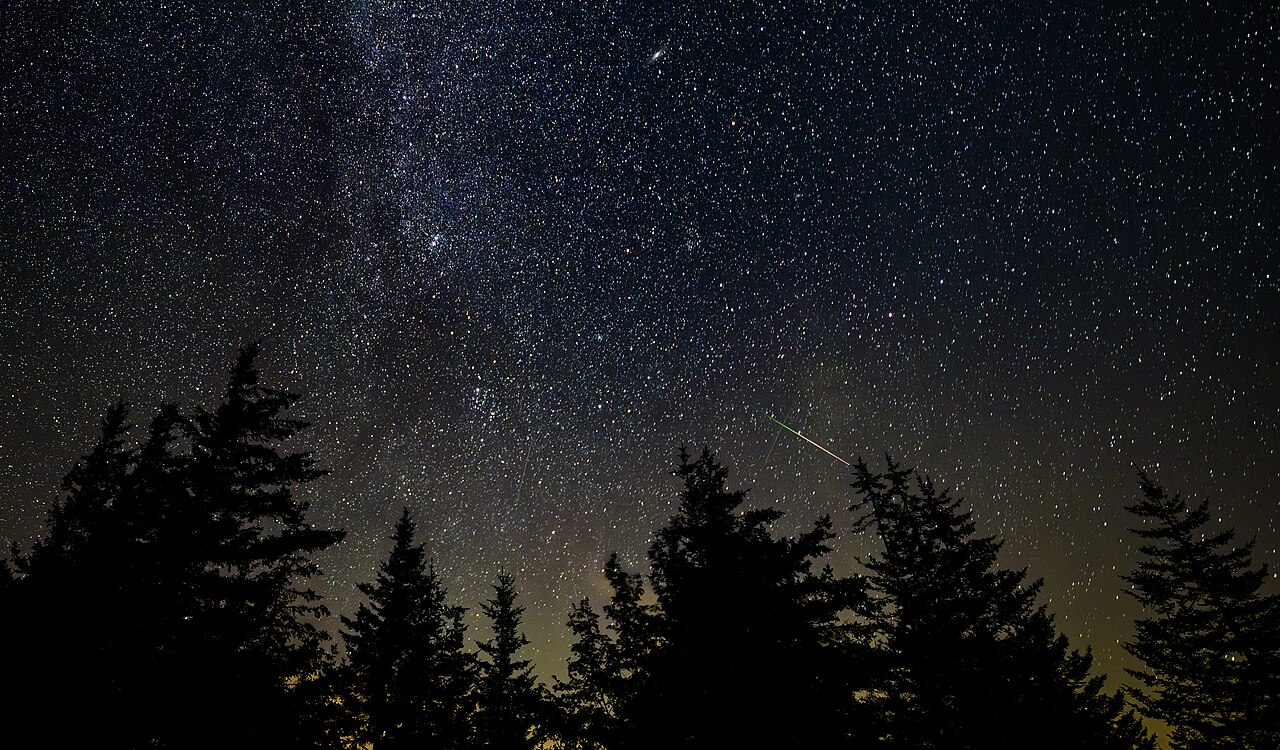
↗Space & astronomy · 2 min readMeteor showers: how to watch shooting stars without a telescopeWhat meteors really are, when a shower is visible and how to prepare for a dark-sky observation.
↗Space & astronomy · 2 min readWhat is a light-year? A distance, not a unit of timeThe easy way to understand enormous astronomical distances without confusing years and kilometers.
Your first night of stargazing: a simple plan without a telescope↗Space & astronomy · 3 min readYour first night of stargazing: a simple plan without a telescopeFind a darker sky, choose easy targets and learn constellations while avoiding common beginner mistakes.
Why Earth has seasons: tilt, sunlight and day length↗Space & astronomy · 2 min readWhy Earth has seasons: tilt, sunlight and day lengthA clear explanation of opposite seasons in the hemispheres, changing daylight and a simple model you can explore at home.
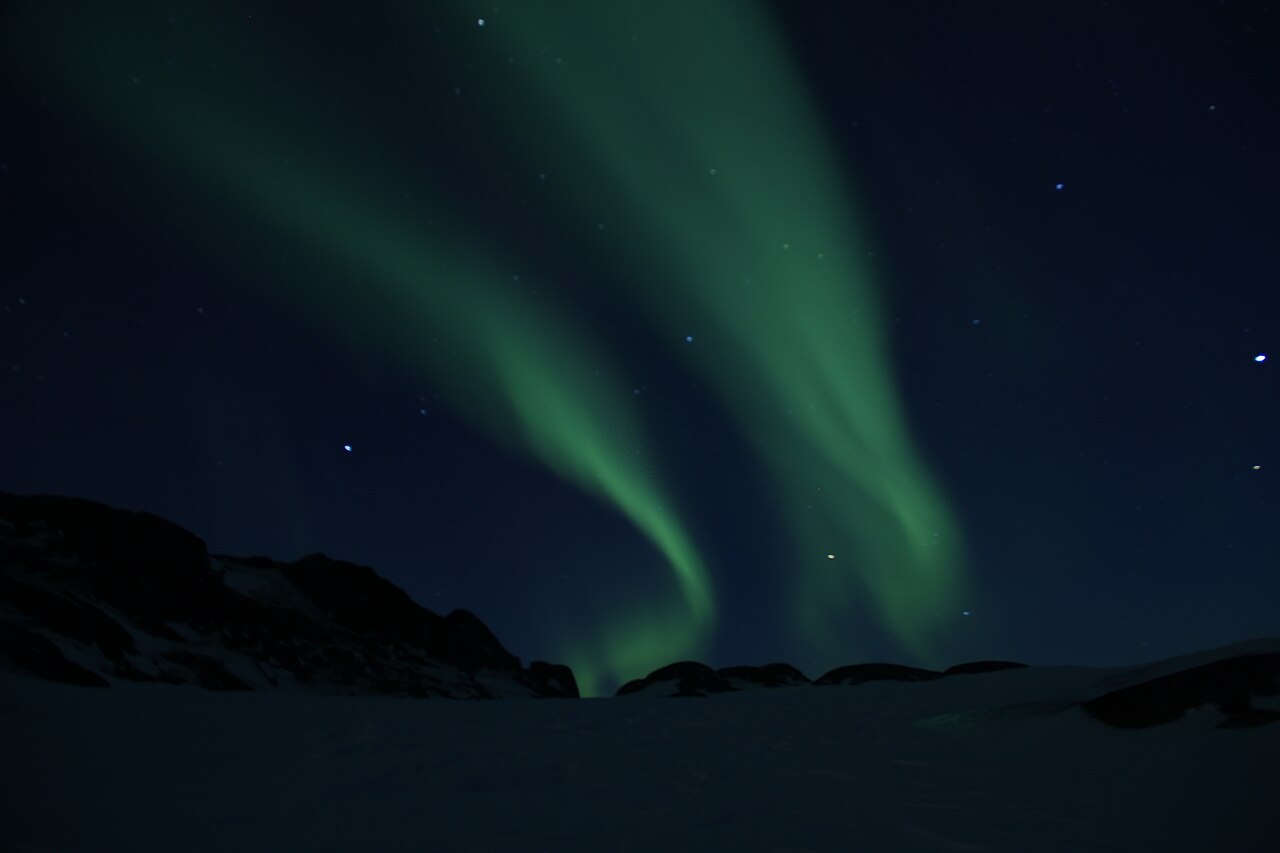
Green auroral arcs above Greenland in March 2013↗Space & astronomy · 3 min readWhy northern lights are green and how to look for themHow solar activity becomes glowing arcs, where aurora colours come from and why your camera may show more colour than you can see.
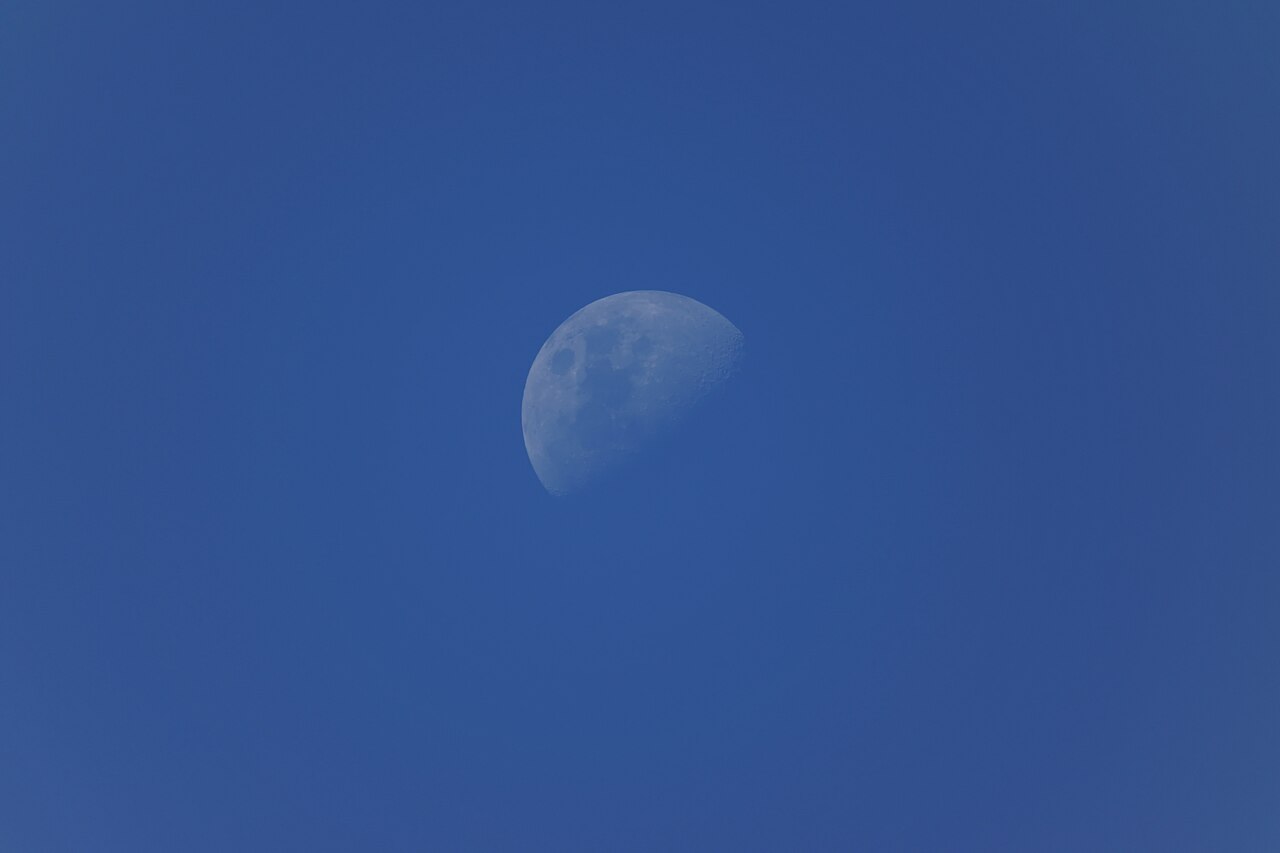
The illuminated portion of the Moon against a clear blue daytime sky↗Space & astronomy · 3 min readWhy the Moon is visible during the day and when to lookChoose a morning or afternoon observing window, understand a pale daytime Moon and keep a simple notebook without a telescope.
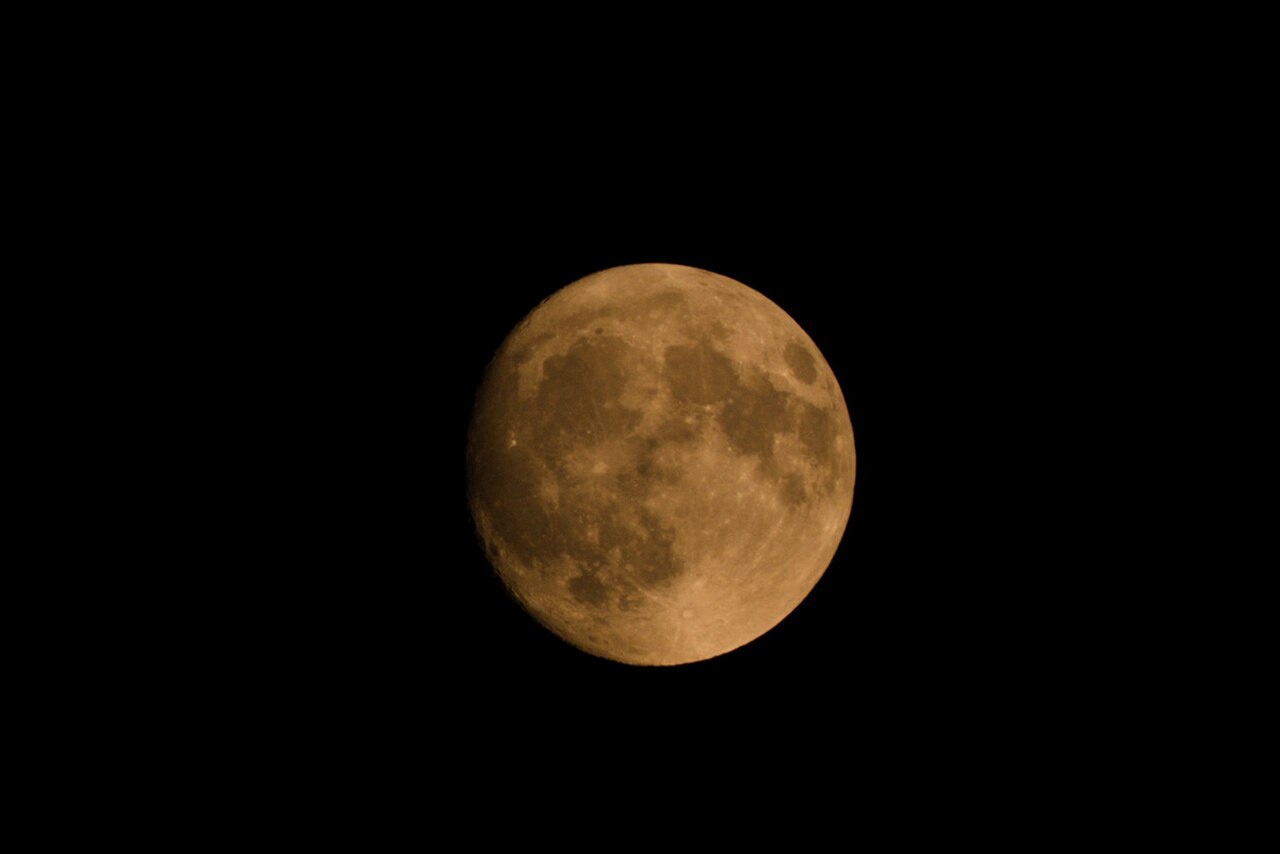
Real orange Moon photographed against the night sky↗Space & astronomy · 3 min readWhy does the Moon look orange or red near the horizon?Two different effects create the famous orange, oversized Moon: atmospheric scattering changes color, while perception changes apparent size.
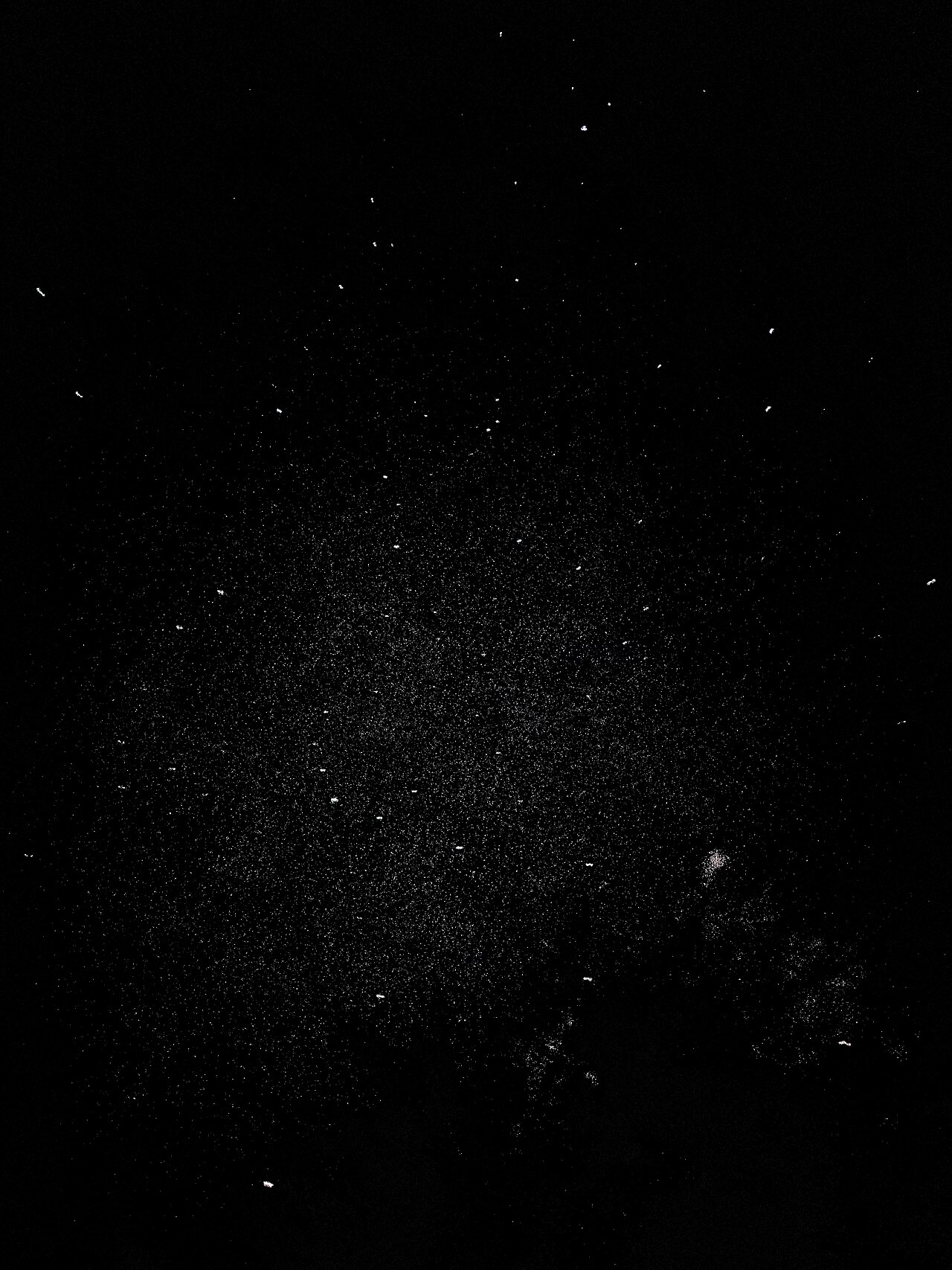
Real photograph of a night sky showing stars in the constellations Corona Borealis and Boötes↗Space & astronomy · 5 min readWhy Do Stars Twinkle but Planets Usually Don't?The stars are not flashing like tiny lamps. Their light is being distorted by Earth's constantly moving air—and planets offer a useful comparison.