Pick a safe location and a realistic time
You do not need an expensive telescope for a first evening outside. Choose a permitted place with an open view of the sky, safe parking or walking access and no unnecessary traffic hazards. Check cloud cover, local sunset, moonlight and current skywatching events. A full moon can make faint stars harder to see, though it is a fascinating target itself. Bring a warm layer, a chair and a flashlight with a dim setting. Let someone know where you are if visiting a remote area.
Let your eyes adjust and keep phone screens dim
Bright screens reduce your ability to see faint stars. Give your eyes time to become comfortable with the darkness and use a dim red light if you need to read notes. Begin by looking at the brightest stars or planets visible from your latitude and season. NASA publishes current skywatching guidance that is more useful for planning dates than an old list of annual highlights. Never point binoculars, telescopes or any optical device at the sun without proper certified solar equipment and specialist instructions.
Start with just a few recognizable sky patterns
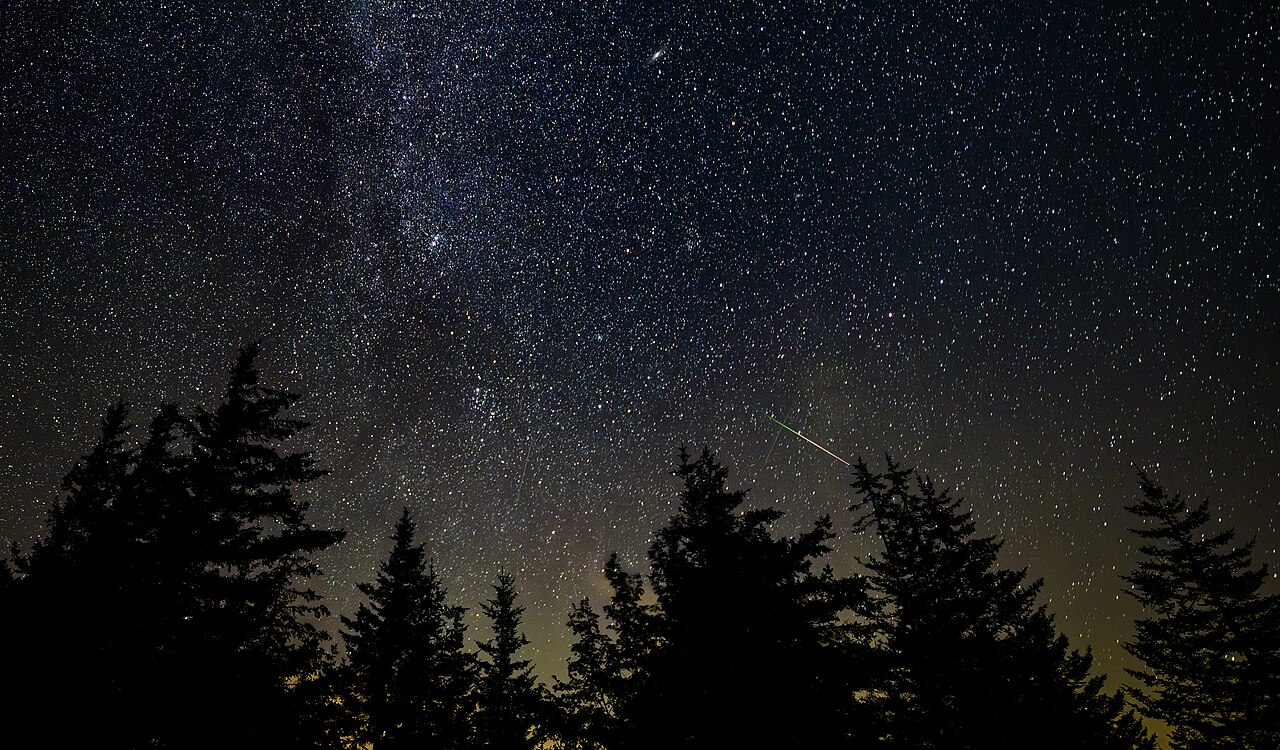
Pick two or three landmarks rather than trying to learn the whole sky in one night. Depending on your region and season, an easily recognizable constellation may help you locate neighboring stars. A sky map or astronomy app can orient you, but verify that its date, time and location are correct. Printed charts also work and do not drain a phone battery. Check the difference between stars that twinkle, bright planets that move against the star background over time, and aircraft with obvious navigation lights.
Use binoculars before buying a large telescope
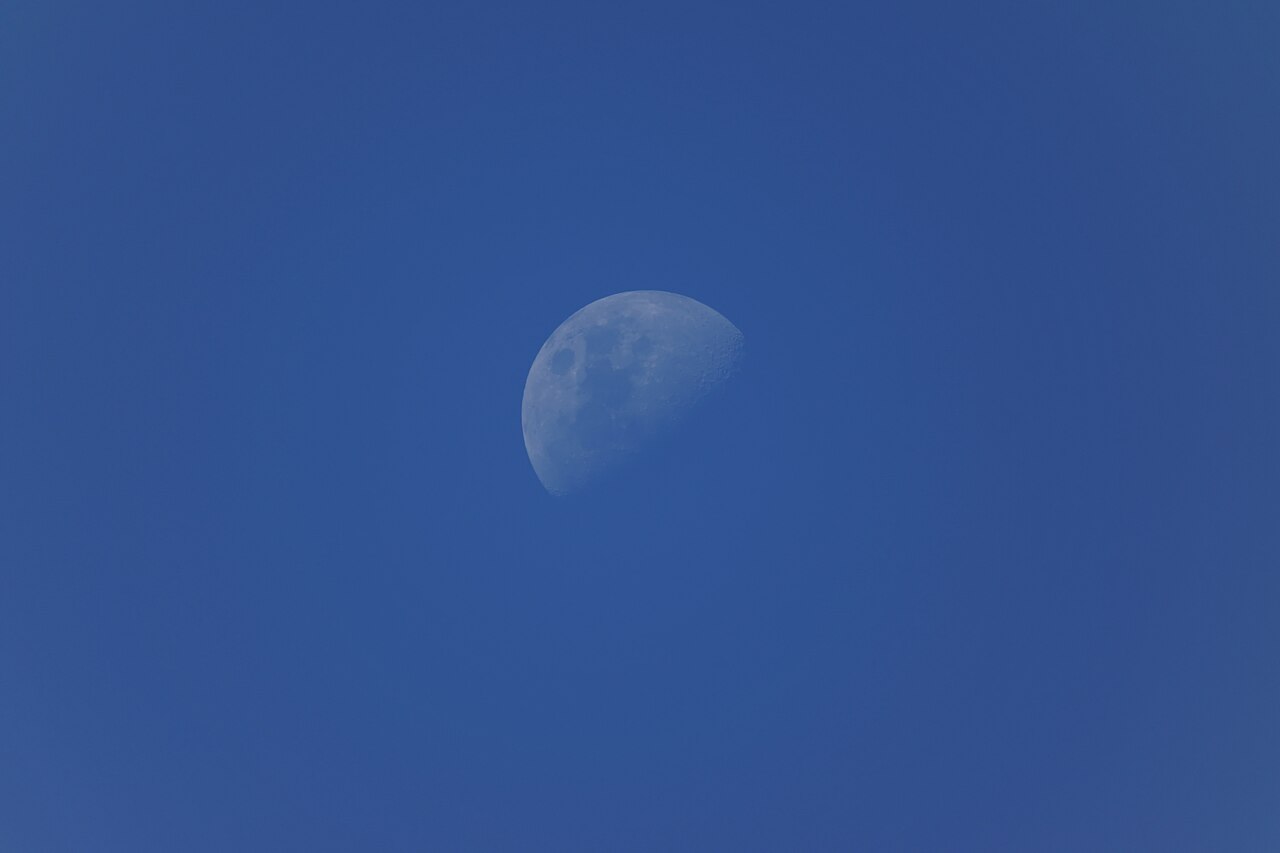
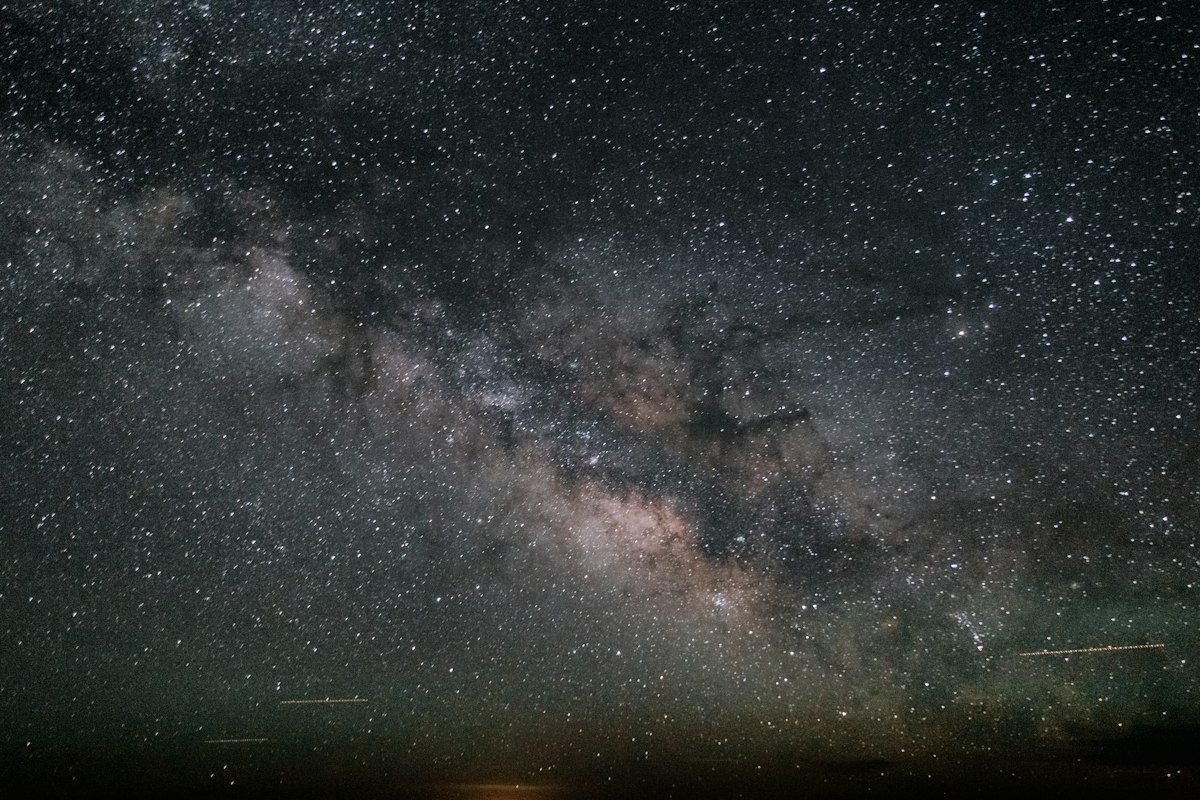
Ordinary handheld binoculars offer a wide field of view and are often easier for beginners than a narrow high-magnification telescope. The moon, some star clusters and bright areas of the Milky Way can be satisfying targets when sky conditions permit. Support the binoculars steadily, avoid straining your neck and do not chase every faint object listed in an app. A better observing site and patience often make more difference than a costly gadget. For a first telescope purchase, visit a local astronomy club and try equipment before choosing.
Build a short observing journal
Record the date, weather, moon phase, approximate direction and two or three things you found. Note what was difficult to identify and what bright lights affected visibility. Repeat the observation another week and watch how the sky changes with time and season. Respect local access rules, avoid disturbing wildlife with lights and leave the site clean. Skywatching is a skill that grows by noticing patterns rather than collecting hundreds of object names on the first evening.
A general educational overview, not a substitute for professional guidance. Check current local rules and trusted primary sources before making consequential decisions.
Share this article