A light-year measures distance
Light travels roughly 300,000 kilometers each second in a vacuum. In one year it covers about 9.46 trillion kilometers. Astronomers call that span one light-year; despite the name, this is a unit of length, not a measure of how old a star is.
Space is bigger than the numbers suggest
Sunlight takes about eight minutes to reach Earth, so the Sun is approximately eight light-minutes away. The nearest star system beyond the Sun, Alpha Centauri, is more than four light-years away. This scale helps explain why journeys to other stars would be exceptionally difficult.
Looking far away means seeing the past
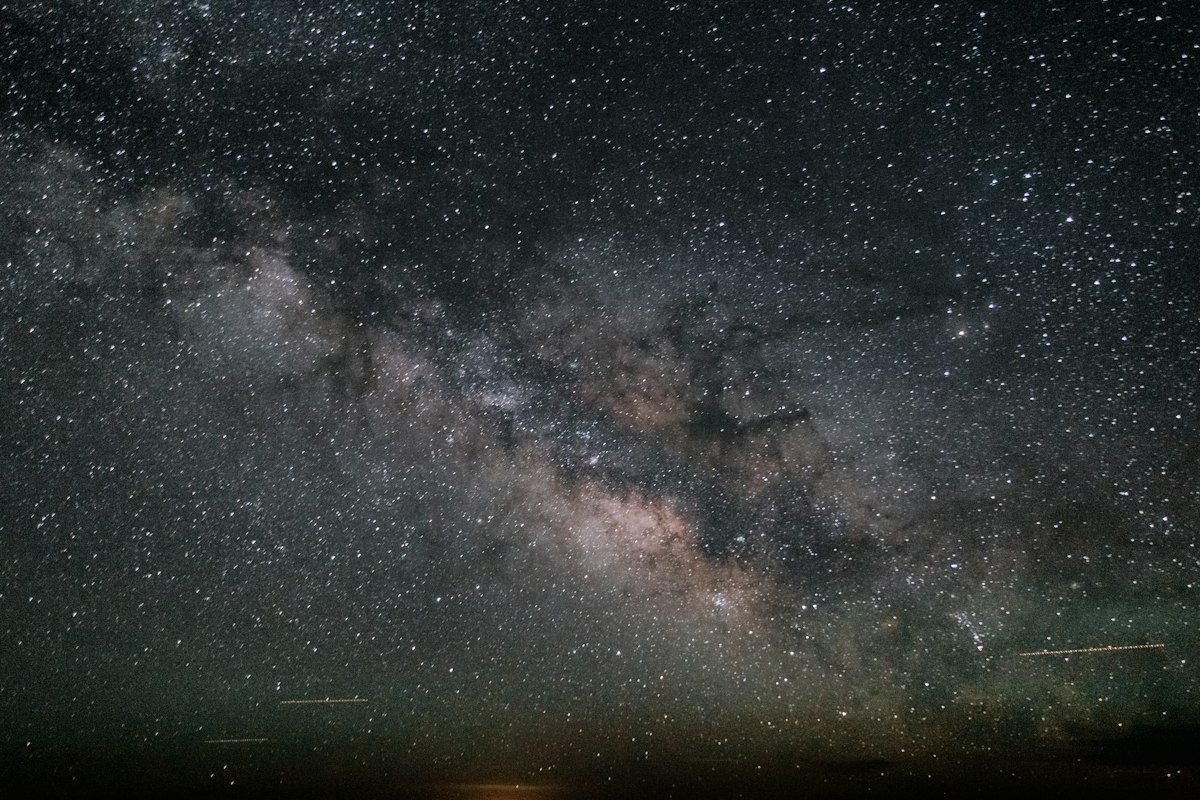
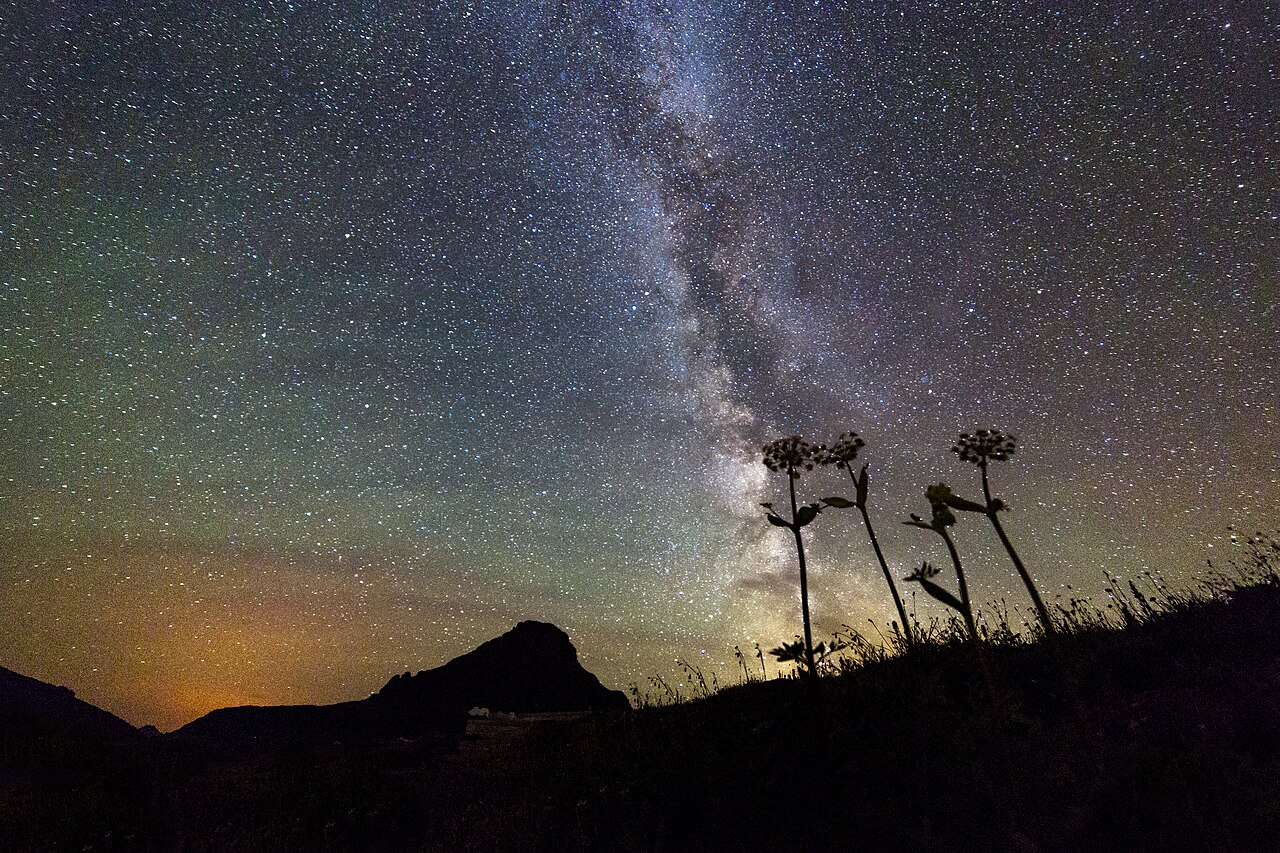
When we observe a galaxy millions of light-years away, the light reaching us began its journey millions of years ago. This is an observation delay, not the ability to watch something happen there in real time. The farther the source, the older the light we receive.
Compare units carefully
Astronomers also use astronomical units for Solar System distances and parsecs for scientific calculations. A light-year is convenient when speaking about stars and galaxies. When a headline lists large distances, check whether it describes light travel, actual separation or travel time for a spacecraft.
A general educational overview, not a substitute for professional guidance. Check current local rules and trusted primary sources before making consequential decisions.
Share this article