Start with a tilted rotating Earth
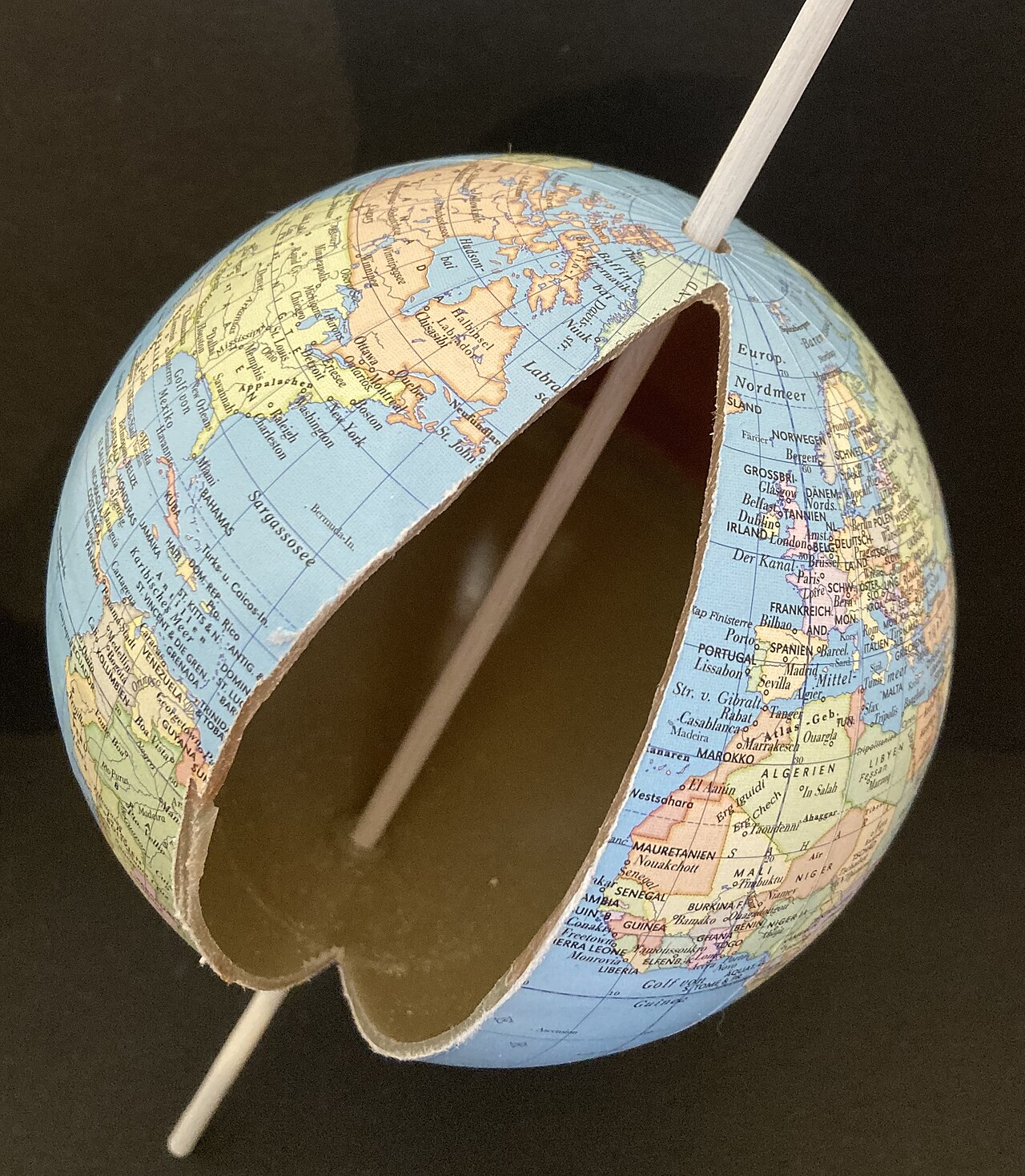
Earth's axis is tilted by about 23.5 degrees relative to a line perpendicular to its orbital plane. As Earth travels around the Sun, that axis keeps approximately the same direction over a year. This changes how each hemisphere receives sunlight. The explanation needs both the tilt and the yearly orbit, not a picture of the planet simply getting closer to the Sun.
Connect sunlight angle with day length
When a hemisphere tilts toward the Sun, sunlight arrives more directly and daylight generally lasts longer. When it tilts away, sunlight is spread over a larger area and days are shorter. These changes affect the energy received at the surface. Actual temperatures also depend on oceans, land, weather and other factors, so the warmest day need not coincide with a solstice.
Compare the two hemispheres
Northern summer occurs during southern winter, and the pattern reverses roughly half a year later. This opposite timing is a useful check against the idea that distance alone causes the seasons. Near the equator, seasonal patterns differ from the familiar four-season picture of temperate regions. Local wet and dry seasons should not be forced into that simple model.
Try a lamp and globe model
Use an ordinary cool lamp as the Sun and mark an axis on a ball or globe. Keep the axis pointing in the same room direction while moving the globe around the lamp. Observe which pole leans toward the light and how much of each latitude is illuminated. The model is not to scale, but it helps separate rotation from revolution.
Observe daylight without looking at the Sun
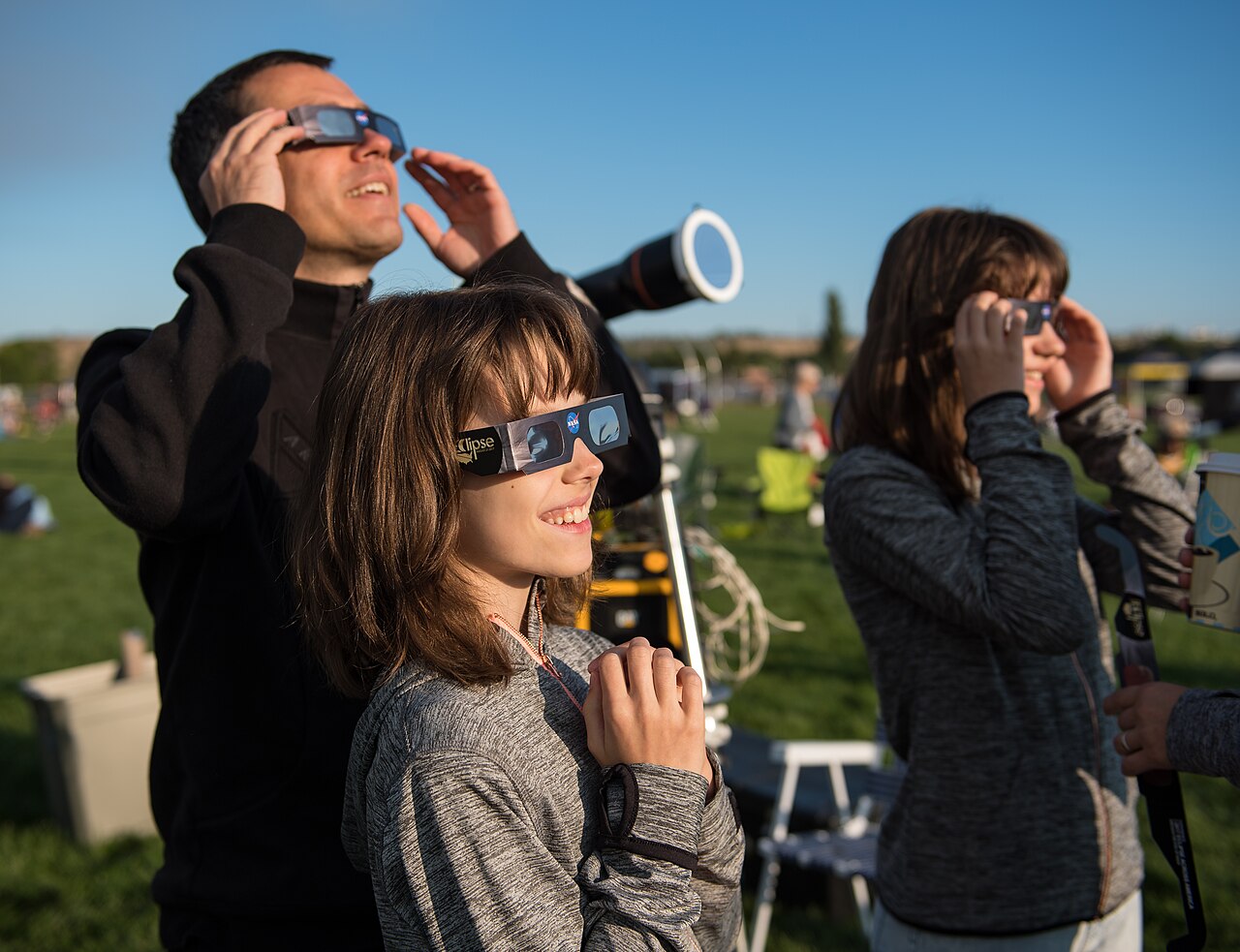
Compare published sunrise and sunset times for your town across several months. Record the lengthening or shortening days and compare with a town in the opposite hemisphere. Never stare at the Sun or use binoculars to perform this exercise. A notebook of daylight times is enough to connect the model with everyday experience without specialised equipment.
A general educational overview, not a substitute for professional guidance. Check current local rules and trusted primary sources before making consequential decisions.
Share this article