A meteor is not a falling star
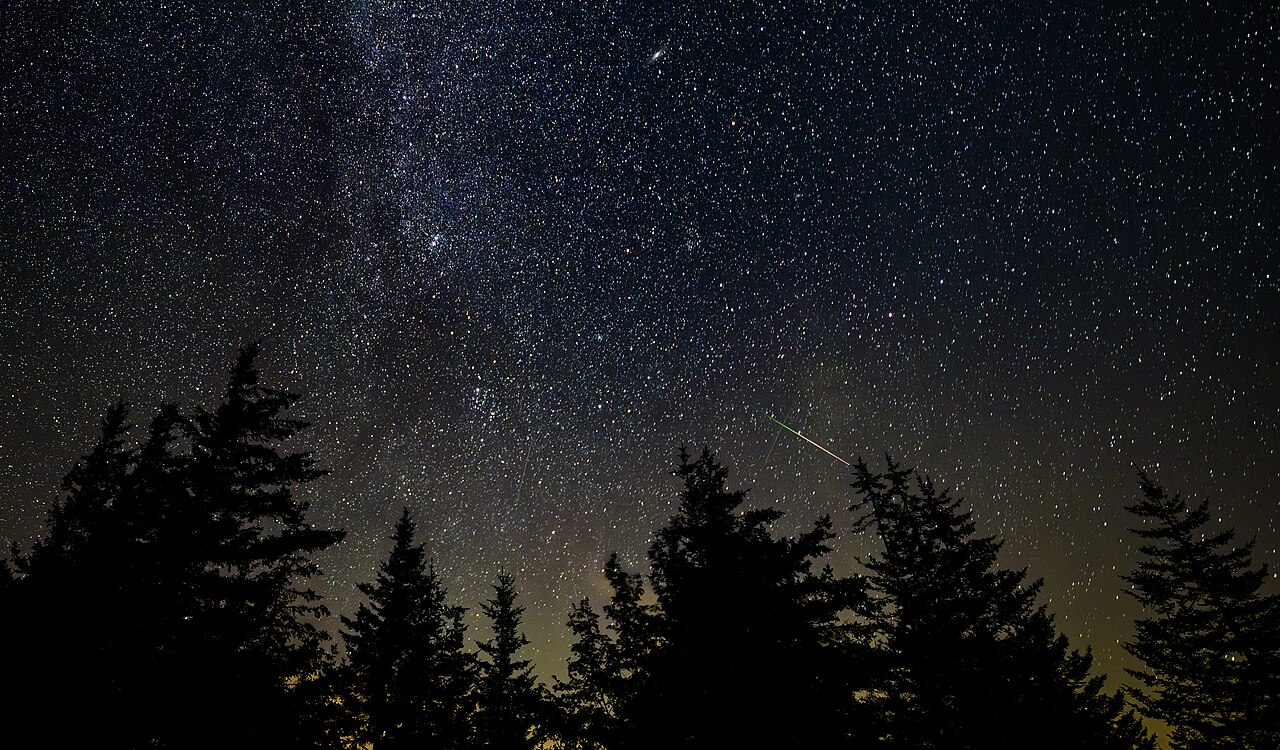
Most visible meteors are tiny pieces of space material that heat up as they enter Earth's atmosphere. A meteor shower occurs when our planet passes through a stream of particles left by a comet or, in some cases, an asteroid. The streak is a brief atmospheric event, not a star changing position.
Timing changes every year
Named annual showers, such as the Perseids, Geminids and Leonids, tend to return at characteristic times of year. But moonlight, weather, geographic latitude and the hour of night change the actual experience. Check a current astronomical calendar for your location instead of relying on last year's predicted peak.
Make the sky as dark as possible
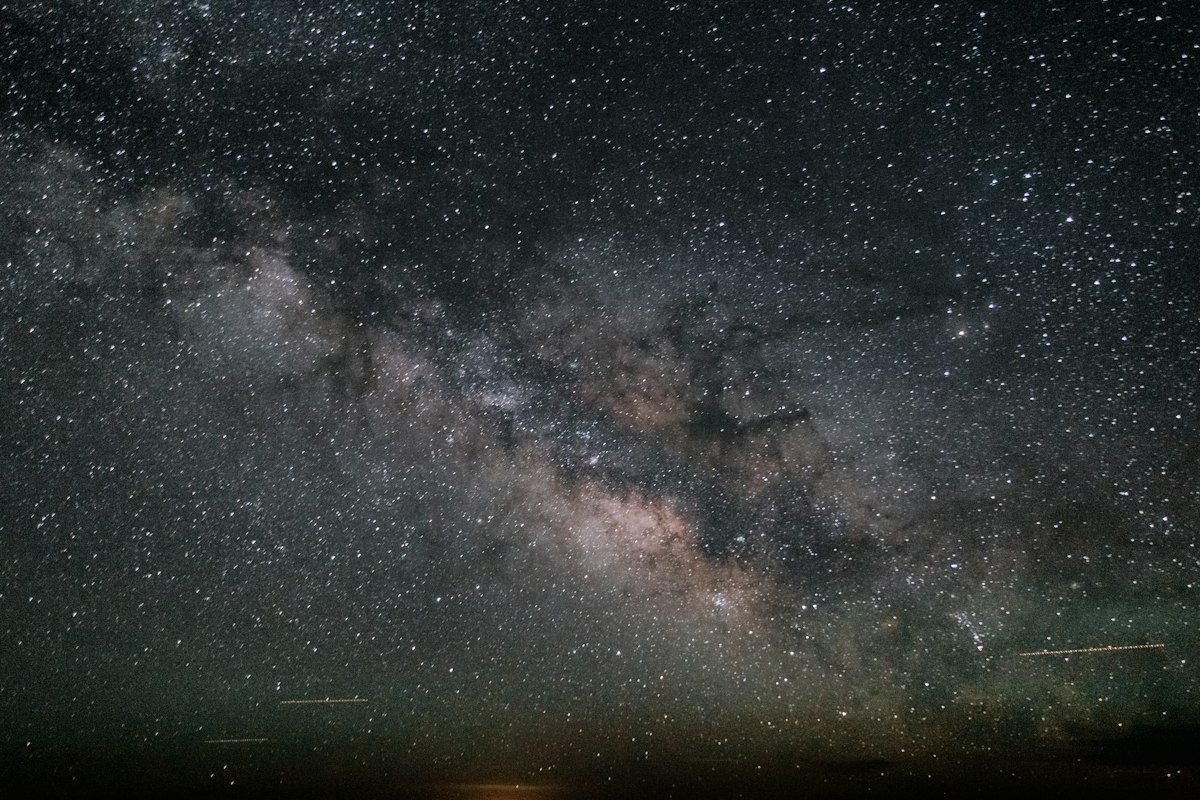
Choose a permitted safe location away from streetlights, with an open view of the sky. Give your eyes time to adapt to darkness, limit bright phone screens and dress for the temperature. Binoculars and telescopes restrict your field of view; naked-eye observation works best for most meteor showers.
A realistic expectation helps
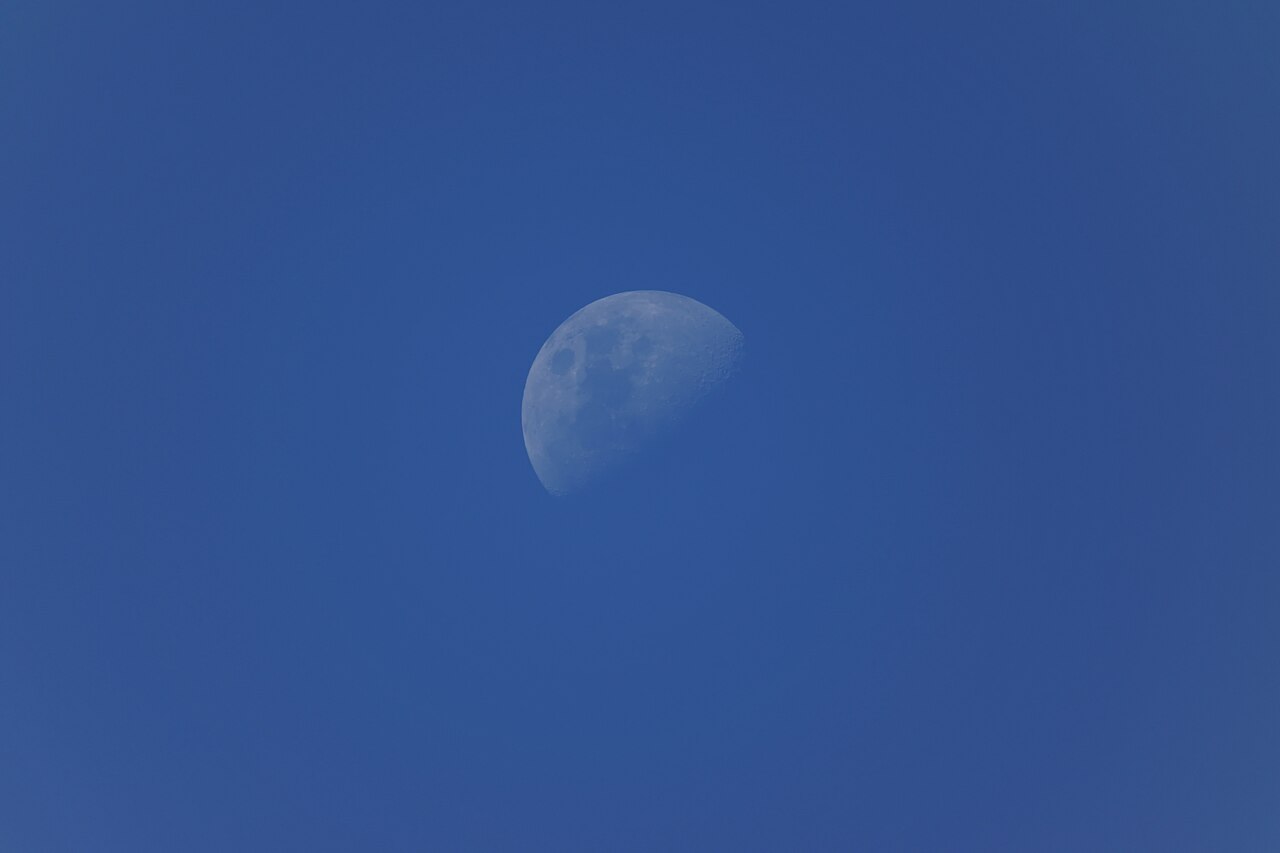
A published peak rate is not a promise that you will see that many meteors. The number visible depends on light pollution, clouds, moon phase and the shower's height in the sky. Bring a comfortable seat, check site access and remember that late-night travel requires extra care.
A general educational overview, not a substitute for professional guidance. Check current local rules and trusted primary sources before making consequential decisions.
Share this article