The short answer: a longer path through air
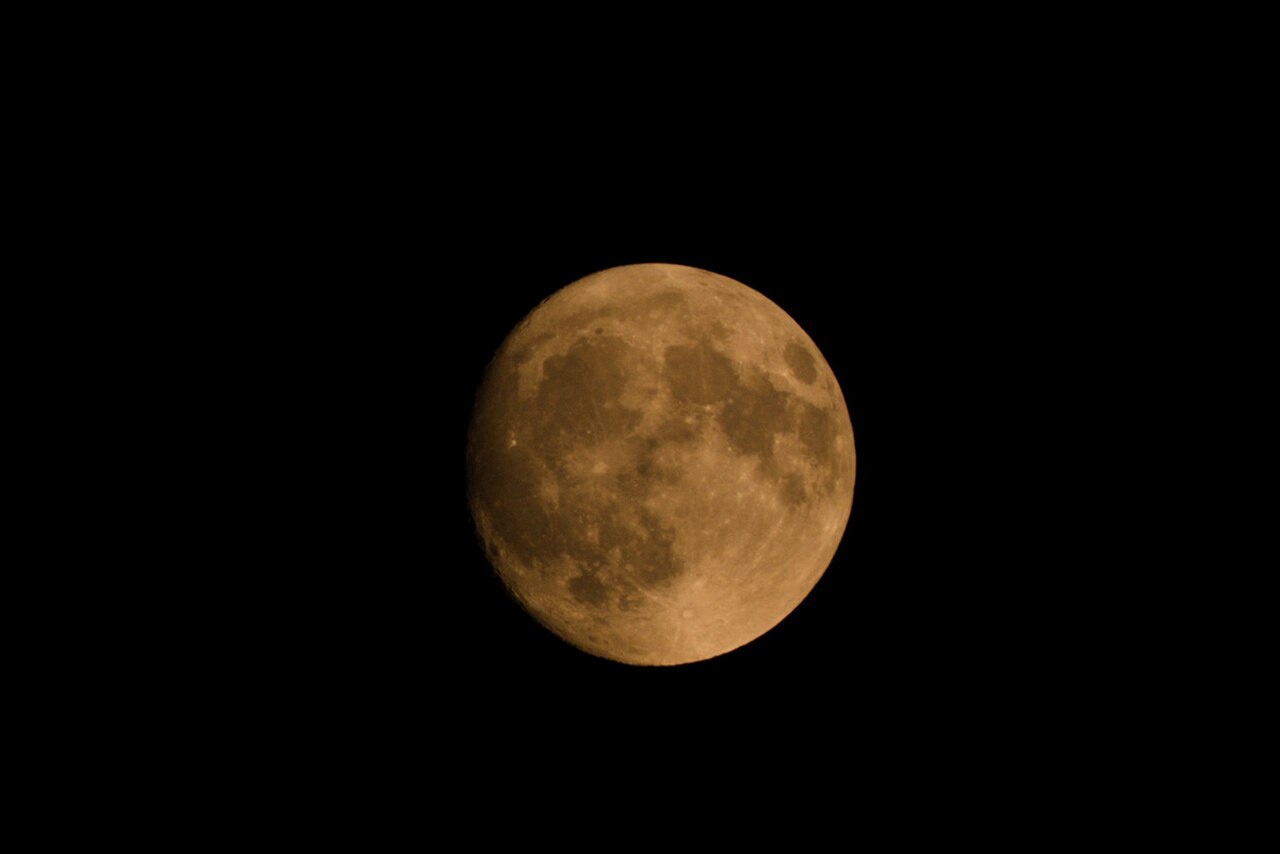
The Moon does not suddenly change its own color when it rises. Sunlight reflects from the lunar surface and travels through Earth's atmosphere to your eyes. When the Moon is near the horizon, the light travels through more atmosphere than when it is high overhead. Tiny particles and molecules scatter shorter, bluer wavelengths more strongly. This can leave a greater share of warm yellow, orange and red light in the direct beam. The result is similar in principle to the colors seen around sunrise and sunset.
Why one moonrise is redder than another
Air is not equally clear on every evening. Dust, smoke, pollution, humidity and thin clouds can change how much light is scattered or absorbed. A very red Moon near the horizon does not automatically signal a special astronomical event. It may simply be rising through a hazy part of the sky. A higher Moon generally appears whiter because the light takes a shorter route through the atmosphere. During a total lunar eclipse, a separate effect colors the Moon while it passes through Earth's shadow.
Orange color is not the same as the Moon illusion
The famous oversized Moon at the horizon has a different explanation. NASA describes it as a perception effect: the Moon seems larger near buildings, trees or distant landscape than it does high in the empty sky. Its actual angular width changes very little over the same evening. The atmospheric filtering that can turn the Moon orange is real; the dramatic apparent size increase is mostly in how our brains judge a scene. Keeping these two effects separate helps avoid a common astronomy myth.
Try a simple comparison experiment
On a clear night around the full Moon, take a photograph soon after moonrise and another when the Moon is well above the horizon. Keep the same lens, focal length and camera settings if practical. Compare the Moon's diameter in pixels; it should be nearly the same, although atmospheric refraction can slightly compress its vertical shape near the horizon. If your phone camera automatically changes zoom, the result will not be meaningful. Never stand in a road or unsafe location to get a picture.
What about a blue or blood Moon?
A 'blue Moon' is often a calendar label, not a description of color. A rare visibly bluish Moon can require unusual particles in the atmosphere. A 'blood Moon' usually refers to the reddish Moon during a total lunar eclipse, when sunlight is filtered and refracted through Earth's atmosphere into the shadow. None of these are signs that the Moon is burning, coming closer to Earth or changing its surface overnight. Use official NASA astronomy resources to check specific events.
Explore more sky questions
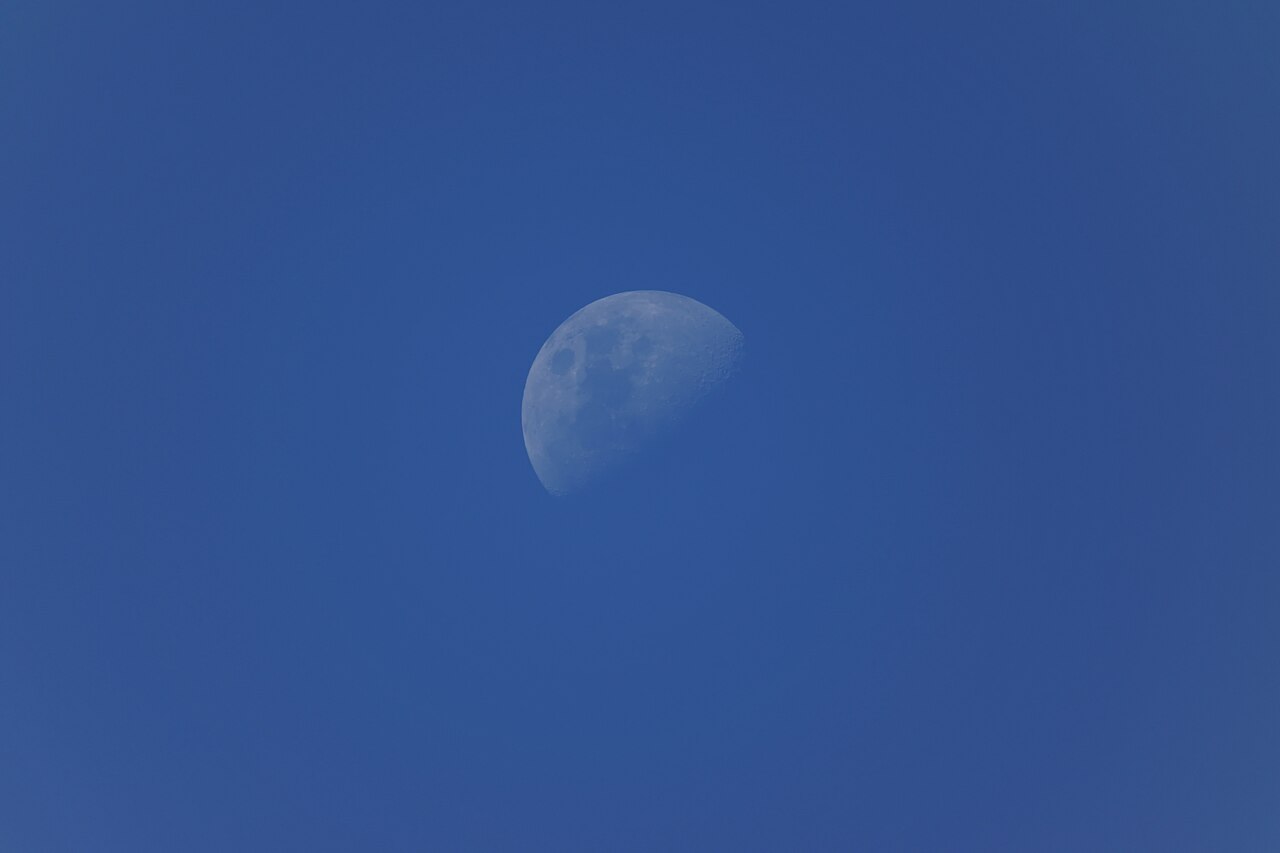
The bright disk you see is our familiar Moon reflecting sunlight. Its phases are caused by changing geometry between the Sun, Earth and Moon—not Earth's shadow during ordinary months. Read /guides/moon-phases-explained/ and /guides/why-moon-visible-daytime/ for connected questions. If you see a surprising lunar photograph online, check whether the photographer used a long focal length before judging the Moon's apparent size.
A general educational overview, not a substitute for professional guidance. Check current local rules and trusted primary sources before making consequential decisions.
Share this article