The Moon does not change shape
Sunlight always illuminates approximately half the Moon. From Earth, we see different amounts of that sunlit half as the Moon moves around our planet. The changing shape is a change in viewing angle, not normally a shadow of Earth.
Follow the cycle
The familiar sequence includes new Moon, waxing crescent, first quarter, waxing gibbous, full Moon, waning gibbous, third quarter and waning crescent. The cycle from one new Moon to the next averages about 29.5 days.
Why the Moon is visible by day
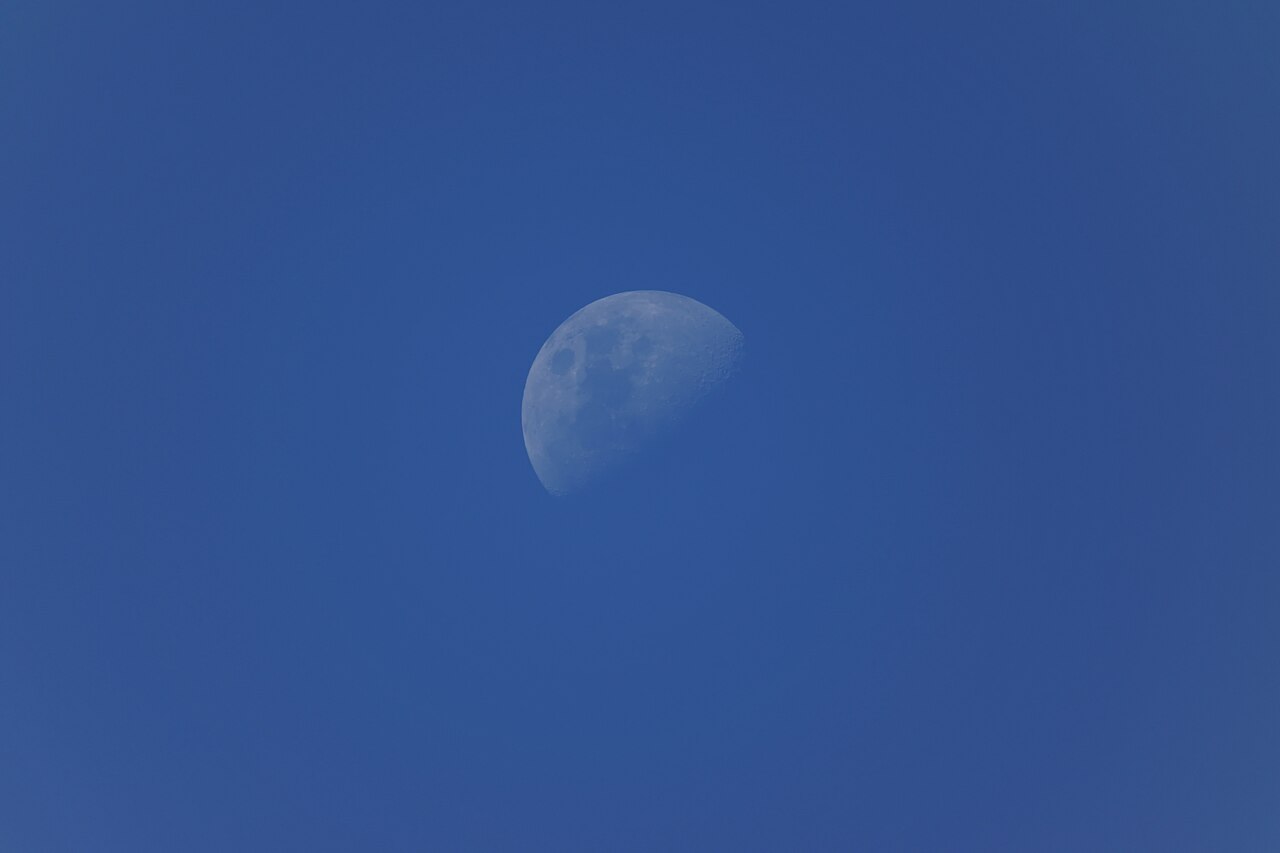
The Moon does not belong exclusively to the night sky. Its position relative to the Sun and Earth determines its rise and set times. A first-quarter Moon, for example, can often be seen during the afternoon or evening.
Observe it yourself
Use a notebook to sketch the Moon at roughly the same local time on several evenings, and compare the shape and position. Avoid confusing the curved lunar terminator with an eclipse; actual lunar eclipses require a different alignment.
A general educational overview, not a substitute for professional guidance. Check current local rules and trusted primary sources before making consequential decisions.
Share this article