↗
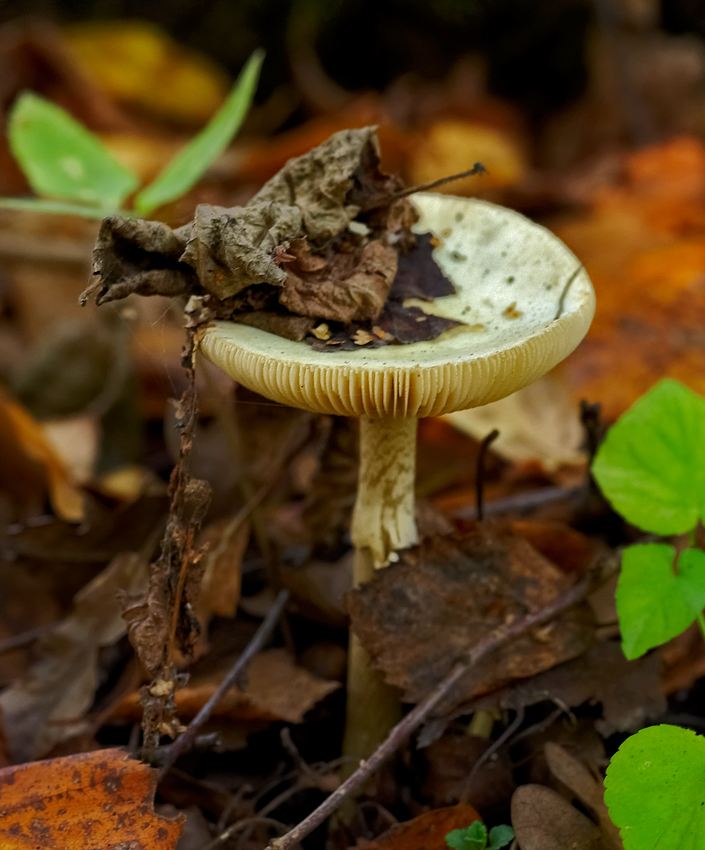
Amanita phalloidesDeadly poisonous
Death cap
Contains amatoxins that can cause life-threatening liver damage.
Explore fungal diversity, deadly lookalikes and why photos cannot prove safety.
✳ Discover the world, one topic at a time
Explore reliable guides, memorable facts and practical tools. We publish carefully researched topics and make clear where local rules or professional advice matter.
Identification is never guaranteed by a photo.
Never decide to eat a wild mushroom from a photograph or online description. A mistake can be fatal.
For mushroom ingestion or suspected poisoning, contact emergency medical services or a poison centre immediately, even if symptoms have not appeared.
Irish Poisons Centre guidance ↗↗
Contains amatoxins that can cause life-threatening liver damage.
 ↗
Famous for a red cap with pale veil patches, although colour and markings vary.
↗
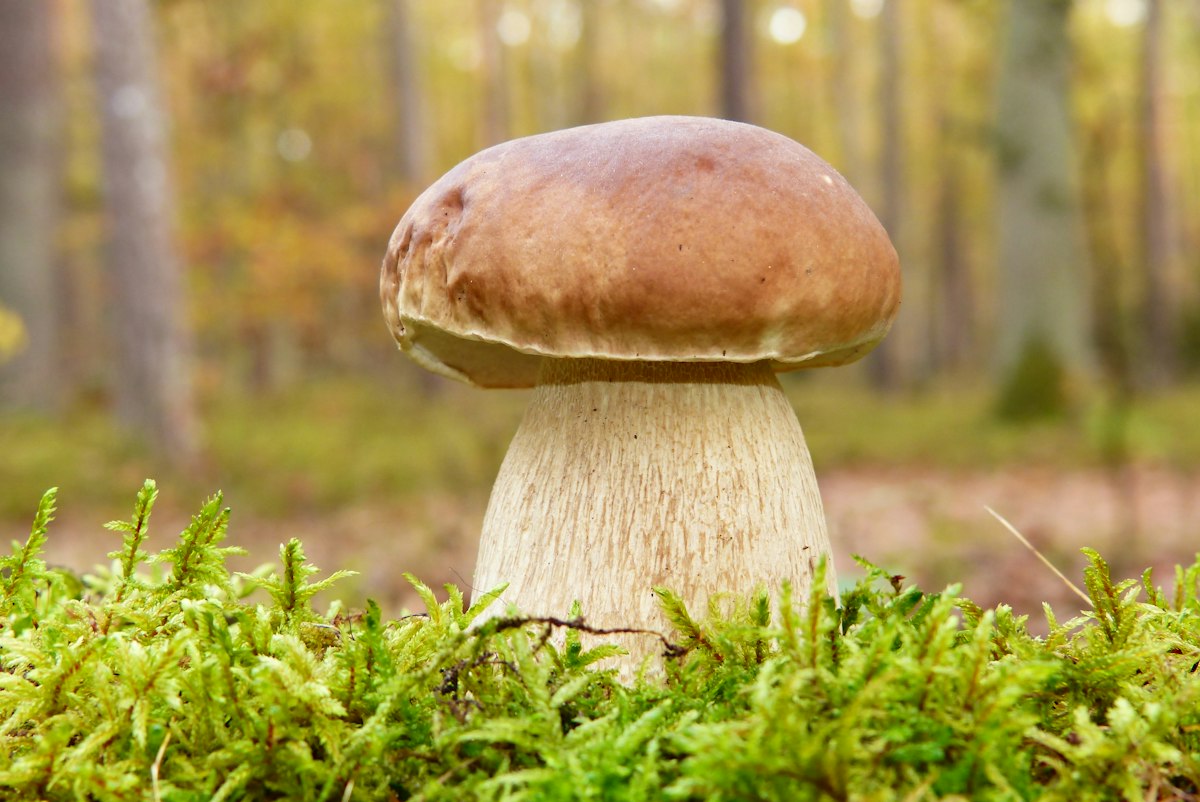
A well-known culinary bolete with a brown cap and pores beneath it rather than gills.
 ↗
A yellow-orange culinary fungus associated with woodland trees.
 ↗
A small brown wood-growing fungus containing dangerous amatoxins.
 ↗
A grassland relative of cultivated button mushrooms.
 ↗
A poisonous Agaricus that may cause severe gastrointestinal symptoms.
 ↗
A large gilled mushroom with a distinctive broad cap and tall stem.
 ↗
A white, potentially deadly Amanita containing amatoxins.
 ↗
Contains toxic compounds that can cause serious neurological symptoms.
 ↗
Contains orellanine, a toxin linked to severe kidney injury.
 ↗
Historically eaten in some regions, but contains potentially dangerous gyromitrin-related toxins.
 ↗
Morels have a distinctive honeycomb-like cap and often appear in spring.
 ↗
Widely cultivated as food, this wood-decaying fungus helps recycle nutrients in forests.
 ↗
A conspicuous yellow-orange wood-decay fungus that forms layered brackets.
 ↗
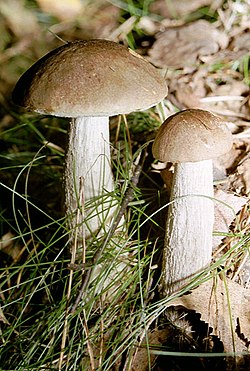
Associated with pine roots and important in forest nutrient exchange.
 ↗
 ↗
An orange-toned mushroom associated with pine.
 ↗
A woodland fungus with small tooth-like structures beneath the cap rather than gills or pores.
 ↗
 ↗
A red-capped Russula traditionally associated with gastrointestinal upset after consumption.
 ↗
A toxic clustered fungus growing on decaying wood.
 ↗
An orange poisonous fungus associated with woody material.
 ↗
A large poisonous gilled mushroom linked to severe gastrointestinal illness.
 ↗
A dark funnel-shaped fungus widely known in culinary settings.
 ↗
A poisonous bolete linked to gastrointestinal symptoms.