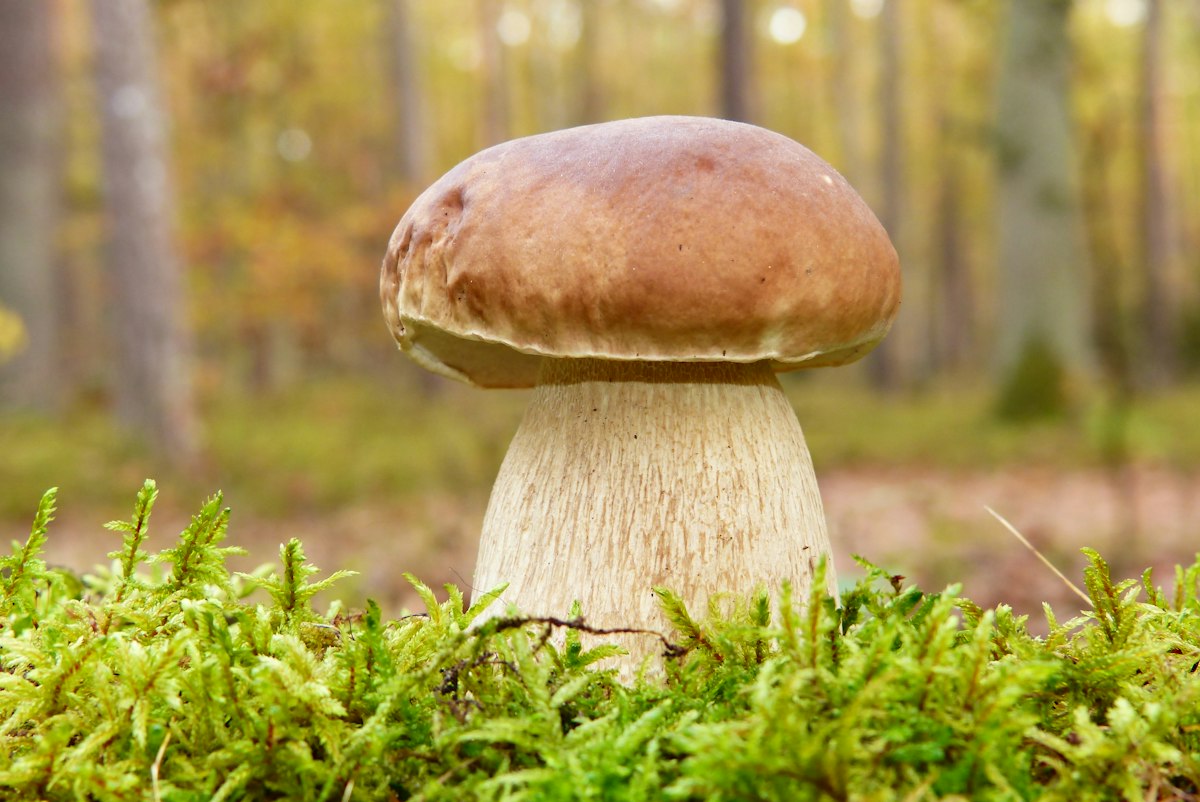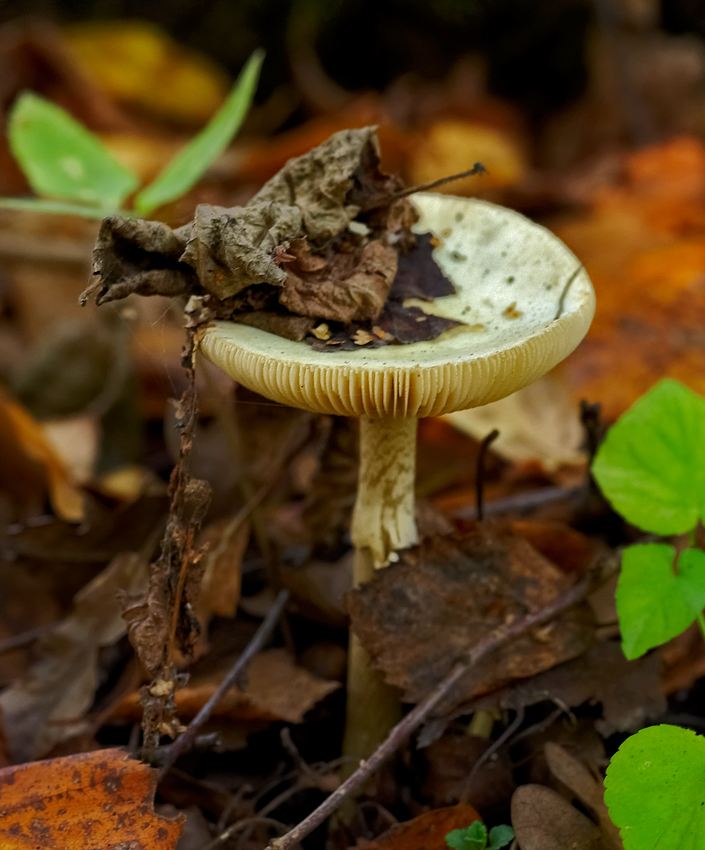
Mushrooms are fruiting bodies
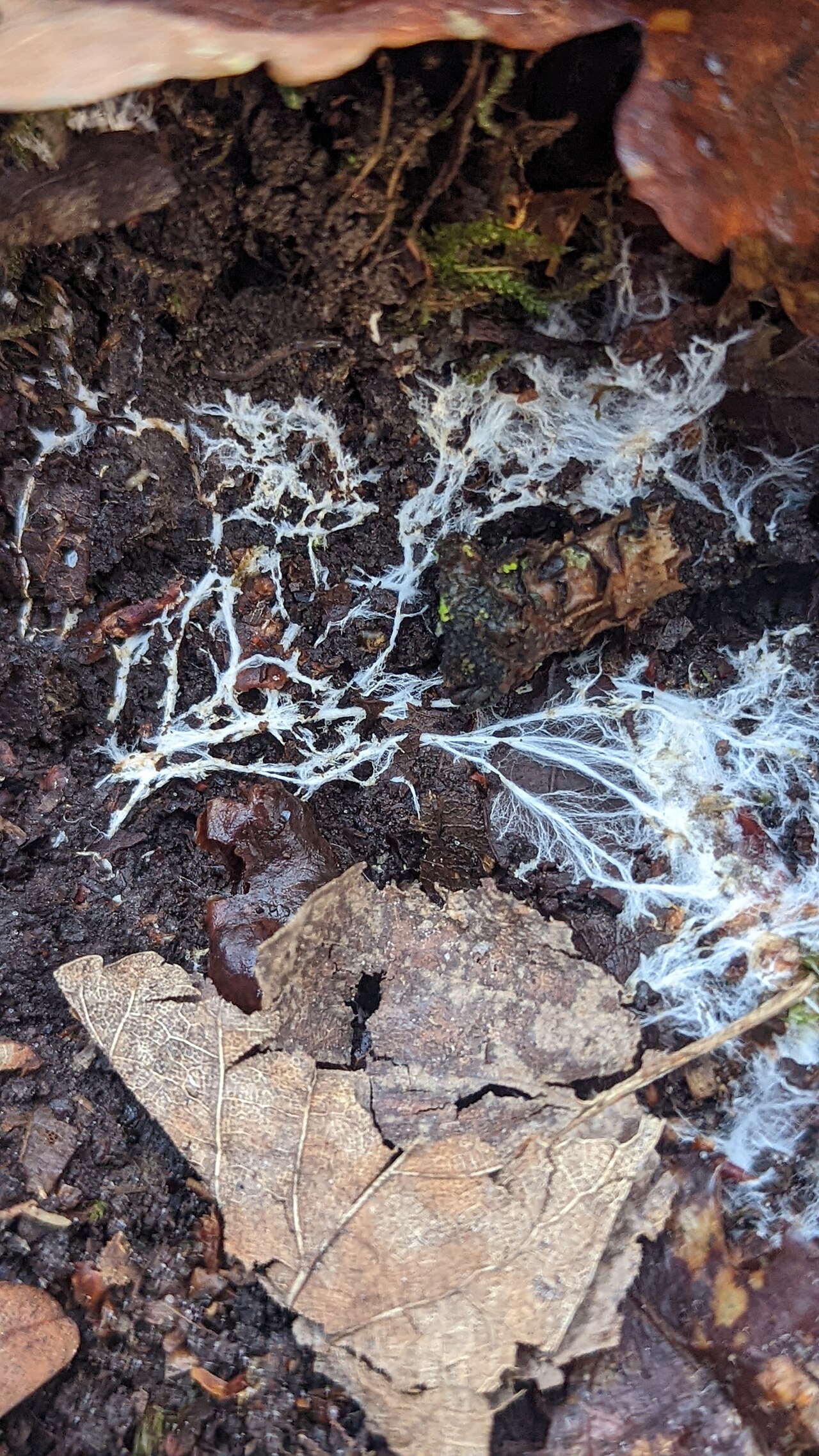
Many fungi live as networks of fine threads in wood, soil or leaf litter. The mushroom seen above ground is often only a temporary reproductive structure. It is therefore wrong to assume that picking a visible cap removes every part of a fungus.
Decomposers recycle material
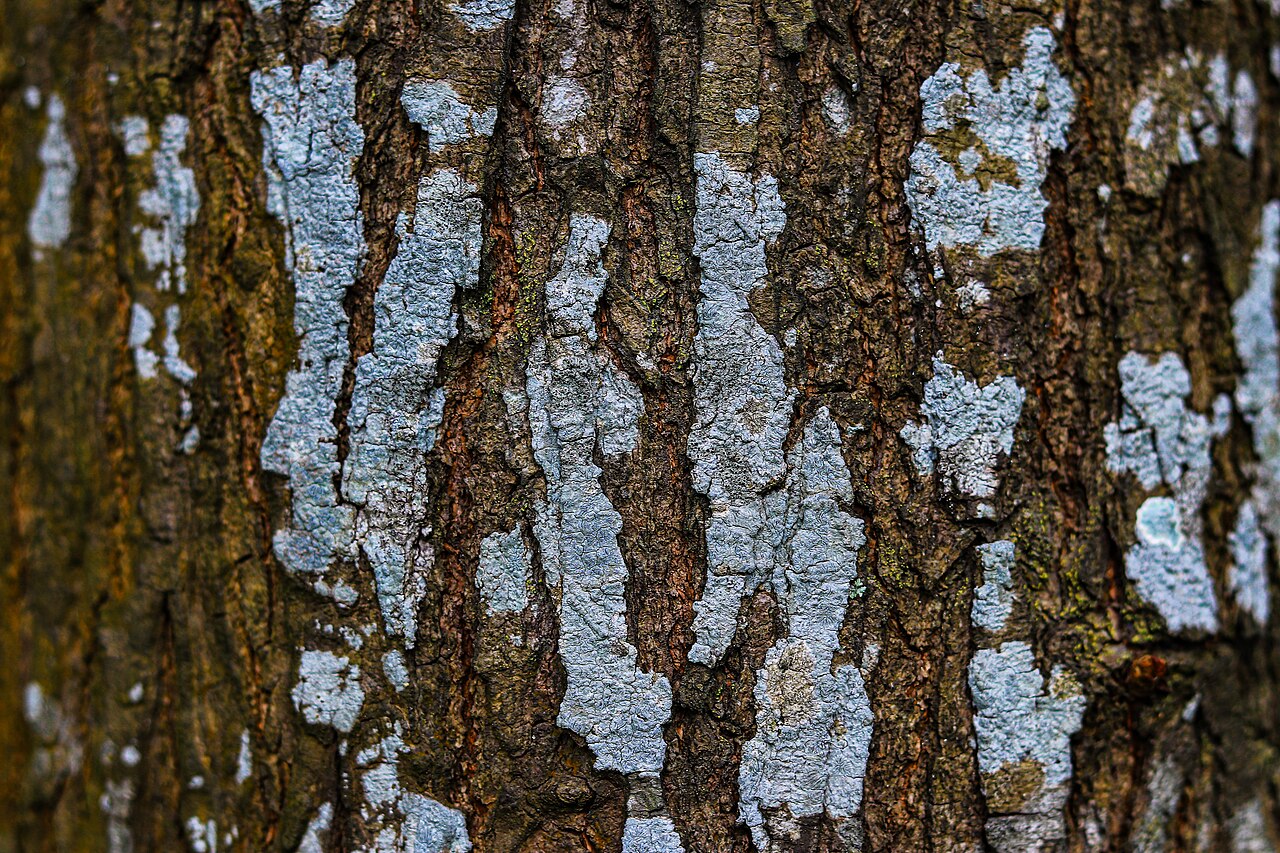
Wood-decay fungi and many microorganisms help break down fallen branches, trunks and plant residues. As decay proceeds, nutrients return to soil and a complex habitat develops for insects, mosses and other life.
Fungi work with plants as well
Many forest fungi form mycorrhizal partnerships with tree roots, exchanging nutrients and water-related benefits for carbohydrates made by plants. Relationships differ between species, and not all fungi are partners: some are pathogens or parasites.
Observe rather than experiment with food
Document fungi using photographs, date, habitat and nearby trees, while leaving fragile deadwood largely undisturbed. The ecological role or attractive appearance of a species does not establish edibility; never taste a wild mushroom based on internet identification.
For health, poisoning or safety concerns, do not rely on this page to diagnose or assess an emergency. Contact qualified local services promptly when needed.
Share this article