Do not use a visual shortcut
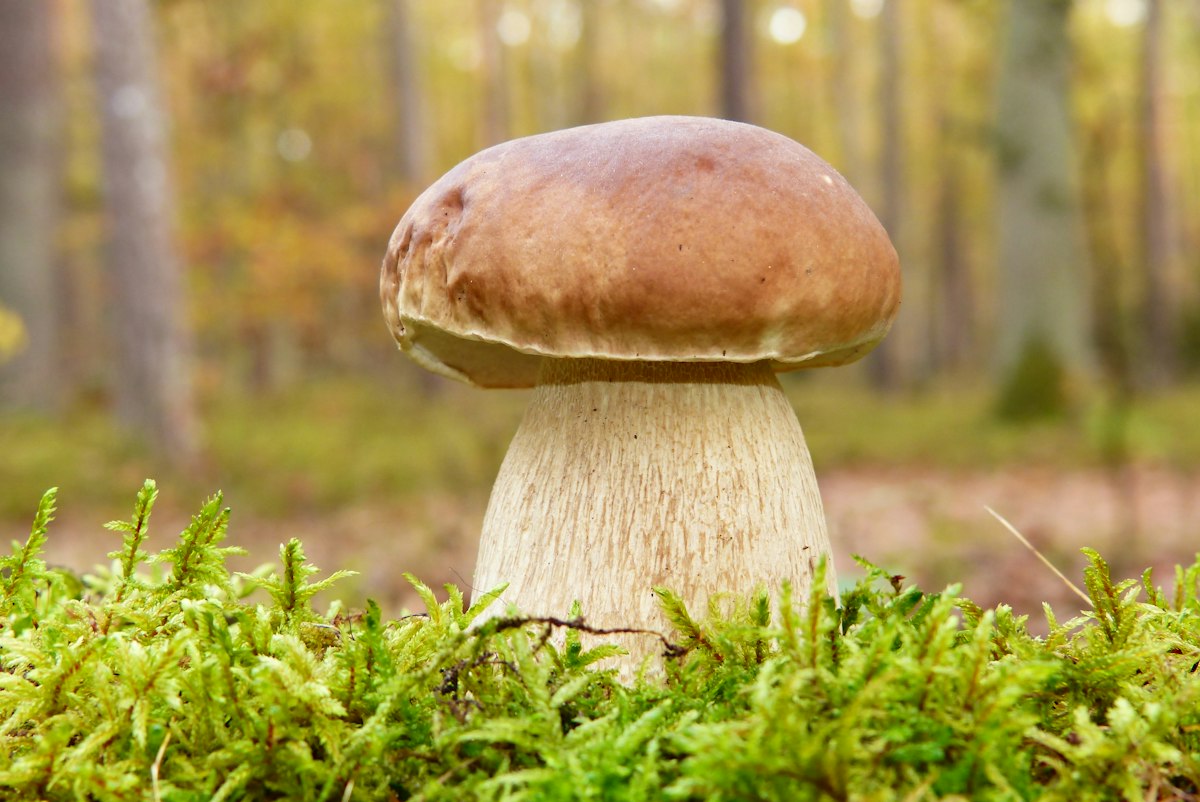
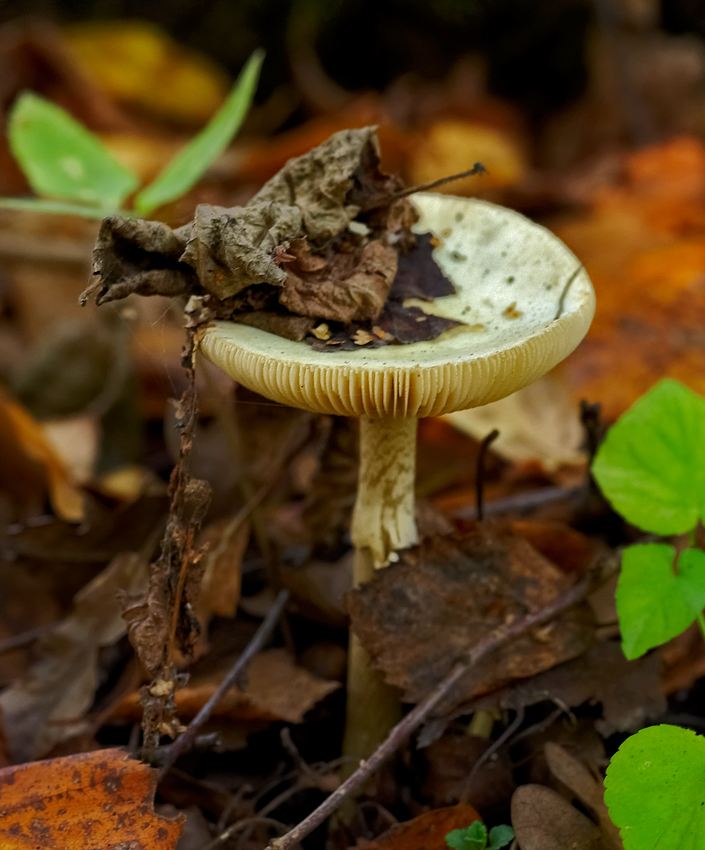
A single photograph, cap colour, smell, insect damage or online identification app cannot confirm that a wild mushroom is edible. Several dangerously poisonous species resemble common food mushrooms. A species profile is for education, never a clearance to eat.
Delayed symptoms can occur
Some serious mushroom toxins can cause nausea, vomiting or diarrhoea hours after ingestion, followed by a misleading period of improvement. Some toxins damage the liver or kidneys. Do not assume that feeling fine immediately after eating means a mushroom was harmless.
Get professional help immediately
If a potentially poisonous mushroom may have been eaten, call local emergency medical services or poison control promptly, even without symptoms. Follow their instructions and keep available specimens, leftovers or photographs for expert assessment if this does not delay help.
Avoid dangerous home remedies
Do not try to induce vomiting or experiment with herbs, alcohol or unverified treatments. Never rely on a recipe claiming that boiling, soaking or drying detoxifies an unidentified mushroom.
For health, poisoning or safety concerns, do not rely on this page to diagnose or assess an emergency. Contact qualified local services promptly when needed.
Share this article