What the white buildup inside a kettle is
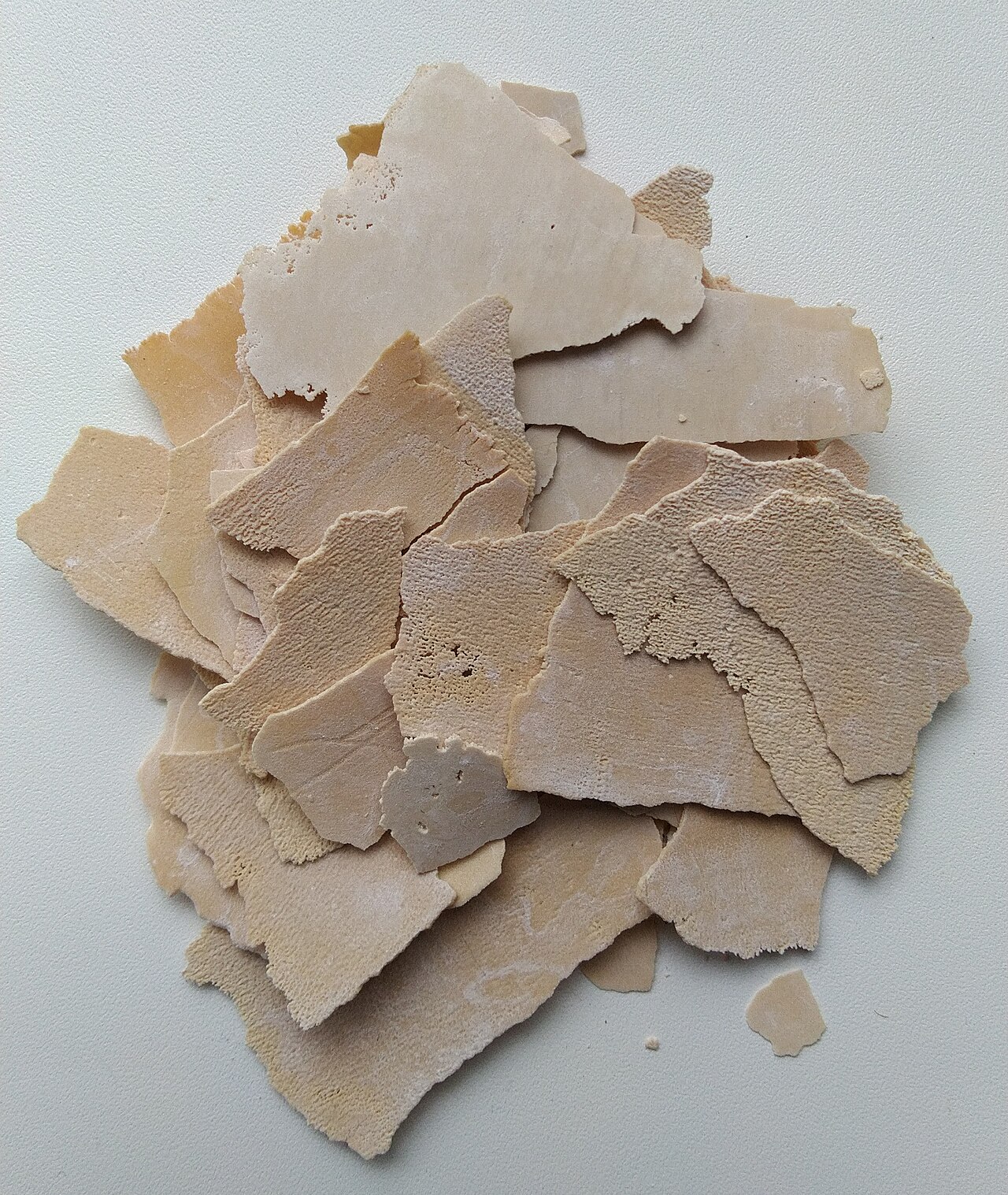
Limescale is a deposit of mineral compounds, mainly calcium carbonate, that accumulates when mineral-rich water is heated. It can leave chalky patches on the walls, the base or the removable spout filter. A small amount is not the same as rust or mold; however, heavy buildup can affect taste, prolong heating and shorten appliance life. Bosch recommends periodic descaling and notes that signs include a white film or premature shutoff. Check the inside in good light after the appliance has cooled rather than scraping at an unknown surface.
Start with your kettle manufacturer's instructions
Unplug the kettle and let it cool before inspection. Read the care section for the exact model: glass, metal and plastic kettles can have different finishes, seals and filters. Use a commercial descaler only if its label states that it is suitable for food-contact kettles, and follow the specified dilution, temperature and contact time. Some models allow diluted white vinegar or a citric-acid solution, while others advise different products. Do not copy a universal recipe from social media without checking the appliance manual.
How a typical approved descaling cycle works
When the manufacturer permits it, a common sequence is to prepare the specified water-and-descaler solution, place it inside the cooled kettle and allow the required contact time. Some Philips instructions call for boiling water first and then adding white vinegar only after automatic shutoff; other products explicitly require a cold solution or a different order. Follow your own manual rather than treating one brand's steps as universal. Keep the kettle on a stable surface and never fill above the maximum level or boil a solution that must not be heated.
Rinse thoroughly and clean the filter
When the manufacturer-recommended soaking time ends, discard the cleaning solution safely and rinse the inside several times with clean water. Some appliance manuals then instruct you to fill with fresh water, boil it and discard it before normal use. If the kettle has a user-removable scale filter, remove and clean it exactly as the manual recommends. Do not attack the deposit with metal tools, abrasive pads or a knife: damage to the heating plate, coating or rubber seals can lead to leaks and permanent faults.
What must never be mixed or used
Never mix bleach with vinegar, citric acid, descaler or other acidic cleaners; hazardous chlorine gas can be released. Do not use a concentrated industrial acid, bathroom cleaner, toilet descaler or unknown chemical in a food-contact appliance. Never immerse an electrical base, plug or powered kettle in water, and do not operate it with a wet connector. If the kettle smells burned, leaks, shows damaged wiring or repeatedly shuts off unexpectedly after cleaning, unplug it and obtain a professional safety check.
How often to descale and when to replace the kettle
Frequency depends on water hardness, the amount of water heated and the manufacturer's schedule. In a hard-water area you may need to descale more often than in a soft-water area; Philips gives model-specific examples ranging from monthly to every few months. A filter can catch flakes in the spout but does not stop all scale forming on the heater. Avoid leaving water standing unnecessarily and inspect the appliance regularly. For related household care, read /guides/washing-machine-smells-cleaning-guide/ and /guides/refrigerator-not-cooling-checklist/ on MURDILIMAX.
A general educational overview, not a substitute for professional guidance. Check current local rules and trusted primary sources before making consequential decisions.
Share this article