Compare recent bills and the meter with normal use
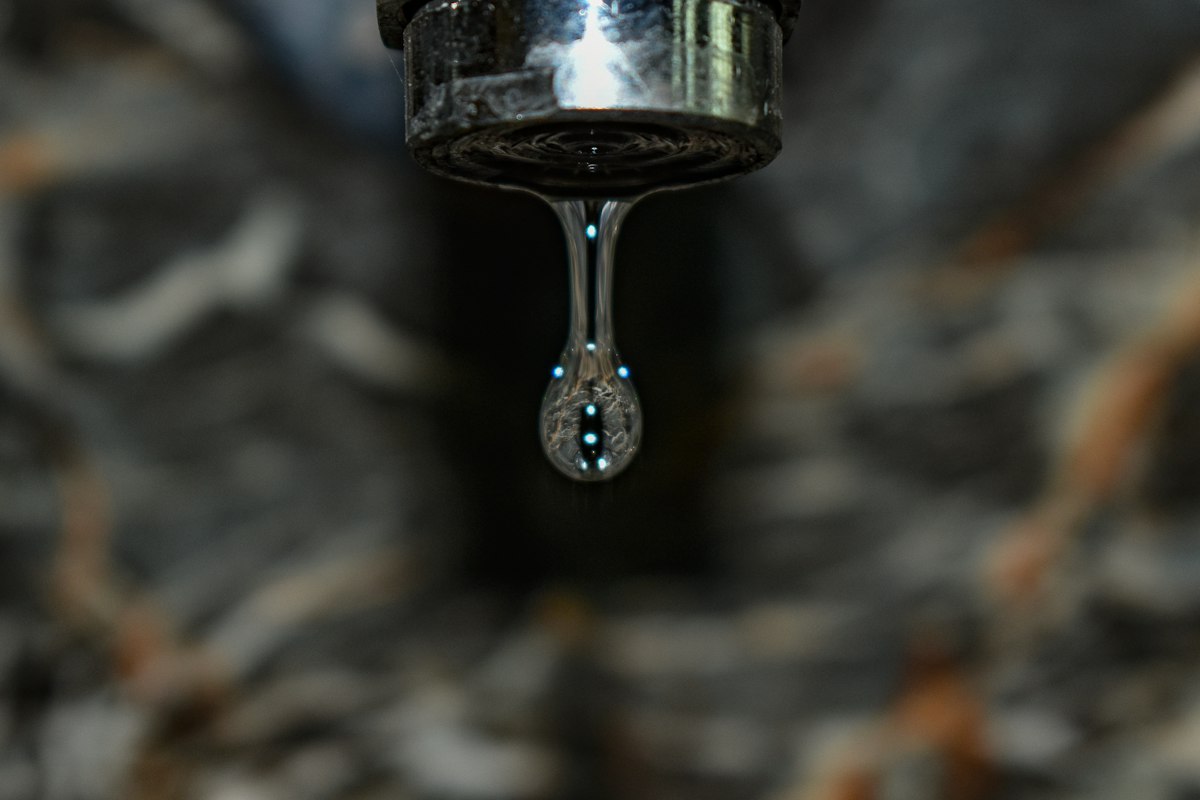
A sudden unexplained increase in water use can be a clue, although seasonal watering and extra occupants also matter. Look at several bills rather than judging one figure. If your home has an accessible individual water meter, note its reading and check it again after a period when nobody uses water, following your utility's instructions. A changing meter can suggest a leak somewhere, but shared meters, automatic appliances and heating systems complicate the test. If uncertain, contact the water supplier before assuming a pipe inside the wall has failed.
Inspect toilets for silent, continuous water flow
Toilets can waste water without a loud dripping sound when a valve or seal does not close properly. Listen after the cistern has filled and check whether water continues to enter the bowl. The US EPA suggests placing a few drops of food coloring in the tank, waiting about ten minutes without flushing, and checking whether color appears in the bowl. Flush immediately after the test to avoid staining. If a faulty seal seems likely, arrange an appropriate repair or replace the part according to the fixture's instructions.
Look under sinks and near appliances
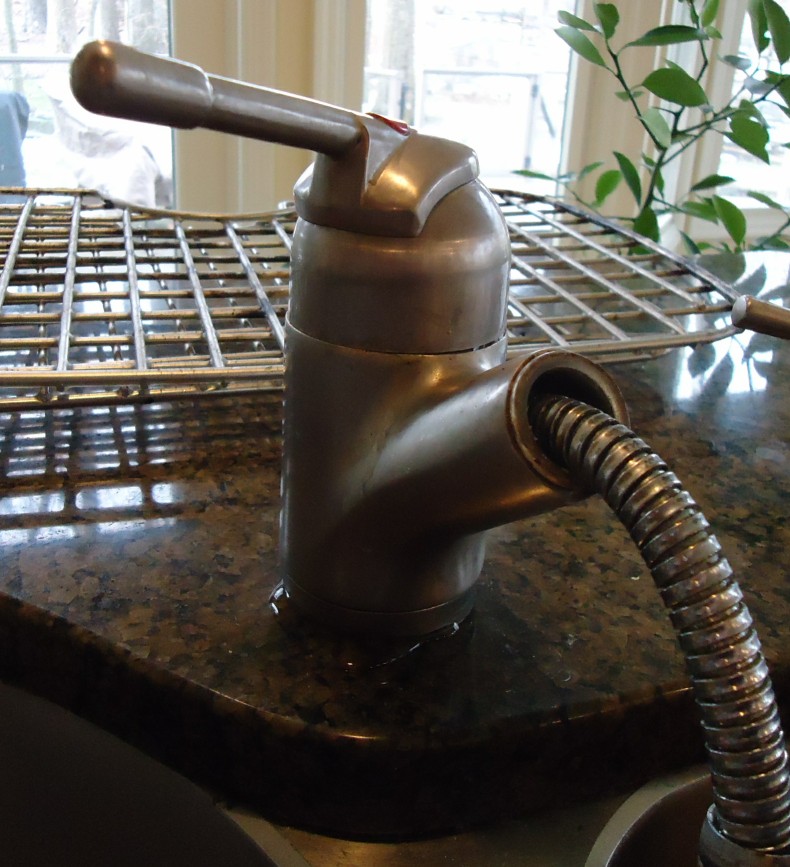
Check faucets, pipe joints, visible supply hoses, the space under sinks and the connections of washing machines and dishwashers. Use a dry tissue to detect minor moisture around a fitting, but do not touch electrical equipment with wet hands. Watch for damp cabinet bottoms, swollen particleboard, peeling paint or persistent musty smells. A slow leak behind a kitchen unit can be easy to miss. Record where and when moisture appears, and check whether it changes during or after using a particular appliance.
Distinguish condensation from an actual leak
Cold pipes and windows may gather condensation when humid indoor air touches them. Water that appears only in certain weather can have a different source from moisture that starts when a tap or appliance runs. A hygrometer and a short diary of humidity, temperature and water use may help. However, a growing wet patch, persistent water under flooring, structural damage or an unknown active leak is not a DIY puzzle. Shut off the appropriate supply when safe and seek qualified plumbing assistance before the problem spreads.
Repair, dry and verify instead of hiding the stain
When a small leak is found, use the correct spare part or a qualified professional rather than masking the symptom with paint. After repair, safely dry affected materials and keep checking for moisture. Repeat the meter or appliance test to confirm the leak has really stopped. Review faucets and outdoor taps periodically and keep a record of maintenance, especially before a long trip. If water is near electrical wiring or a ceiling is sagging, keep away from the affected area and seek urgent professional help.
A general educational overview, not a substitute for professional guidance. Check current local rules and trusted primary sources before making consequential decisions.
Share this article