Check the exact location of the water leak
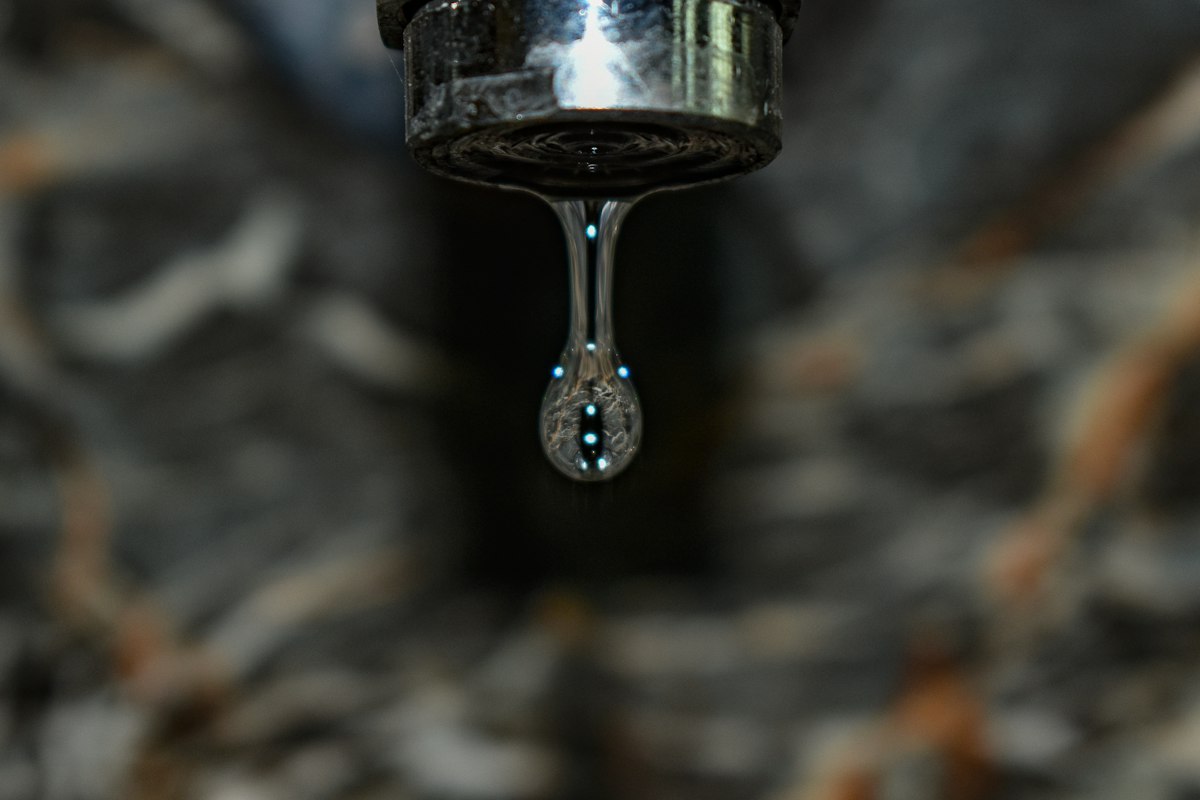
A droplet falling from the spout after a faucet is switched off differs from water pooling at the base, beneath the sink or around a handle. Some water may briefly drain from the spout immediately after use, especially on a pull-out model, but a steady drip for hours suggests a problem. Dry the accessible surfaces, watch where the next drop originates and note whether hot, cold or both controls are affected. If there is a leak under the cabinet, protect nearby electrical outlets and belongings and consider shutting off the supply promptly.
Identify your faucet before buying parts
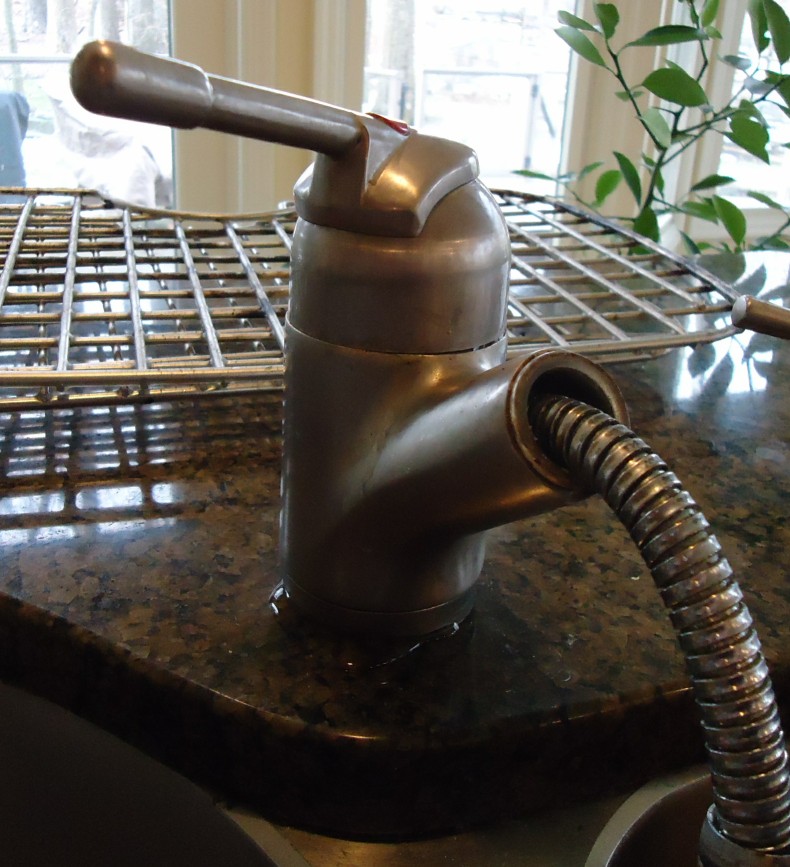
A modern single-lever mixer usually controls water with an internal cartridge; older two-handle taps may use washers, valves or separate cartridges. Moen says that a persistent drip from the spout often points to an internal cartridge or its seals in its products. Other brands and models have different components. Find the model number on the original paperwork, the product's body or the manufacturer's website. A replacement part that merely looks similar may not fit and could cause worse leaking, so verify the exact assembly.
Test the shutoff valves before maintenance
If you are comfortable with basic plumbing and the fittings are readily accessible, locate the isolation valves under the sink and read the faucet manufacturer's replacement instructions. Before opening the faucet, shut off both hot and cold supplies and open the handle carefully to relieve remaining pressure. If a valve is stuck, corroded, leaking or absent, do not force it with pliers. Shut off the main supply only if you know how to do so safely, or hire a plumber. Never disassemble a tap while the supply remains pressurized.
Cartridges, washers and O-rings: what can fail
Constant spout dripping may come from wear, debris or damage in the valve assembly. A cartridge can have scratched sealing surfaces, while an older compression faucet can have a worn rubber washer. O-rings around handles and spouts can contribute to leaks at other locations. Mineral buildup sometimes makes cartridge removal difficult, but it does not prove the cartridge is the only fault. Clean only accessible surfaces using approved methods. Do not spray unapproved solvents into a drinking-water valve or force a stuck component.
How to decide whether a repair is worthwhile
A straightforward cartridge swap may be possible for an accessible, identified model when its manual gives clear steps, but an older or seized faucet can require special tools. Photograph part positions before removal, cover the drain against lost screws and check that replacement components are intended for potable water. If the sink cabinet is already wet, seals and hoses are deteriorating or the shutoff valve leaks, professional diagnosis may be cheaper than repeated failed attempts. After any service, inspect the assembly with the water restored and while the faucet is off.
How to prevent repeat drips and wasted water
A slow drip can waste substantial water over time, although the amount depends on the rate. Do not over-tighten a handle: this may damage valve seals instead of fixing the leak. Inspect flexible supply hoses and cabinet moisture occasionally, and address new drips before they become constant. For other household water problems, see /guides/find-water-leaks-home/, /guides/indoor-humidity-ideal-range/ and /guides/washing-machine-smells-cleaning-guide/. A home leak and a high water bill are useful signals, but neither identifies a faulty part without inspection.
A general educational overview, not a substitute for professional guidance. Check current local rules and trusted primary sources before making consequential decisions.
Share this article