First check the actual temperature
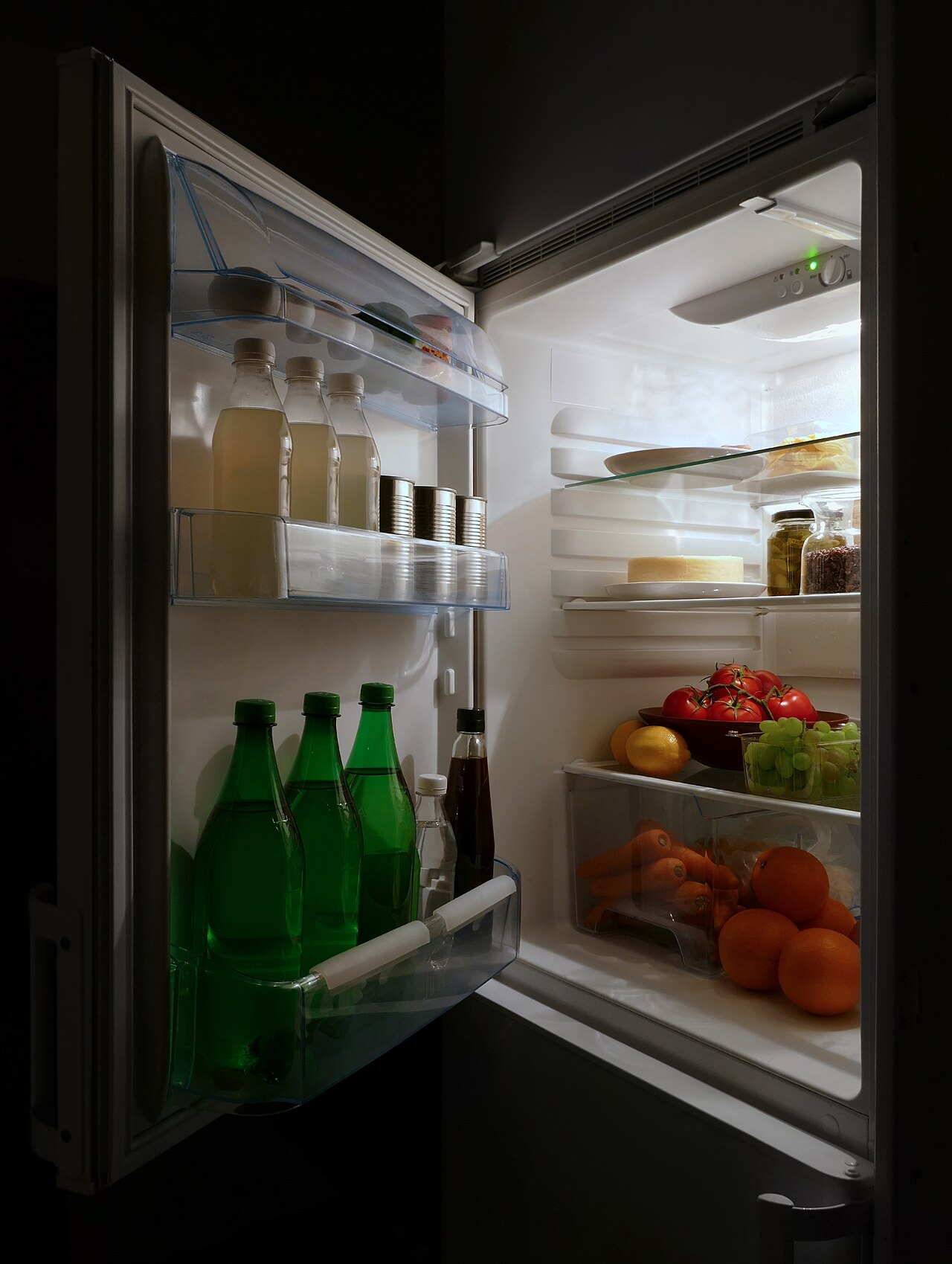
A refrigerator can sound normal while the interior warms up. Place a refrigerator thermometer in the middle of the compartment, leave the door closed and check the reading later; aim to keep perishable food at or below 4°C (40°F). Confirm the appliance has power, that cooling is switched on and that a demonstration or holiday setting has not been activated by mistake. Temperature controls and warning displays differ by brand. If the fridge was just installed or filled with warm groceries, it may need time to recover, but food safety takes priority over waiting.
Treat food safety as a separate decision
If you cannot establish how long the food has been too warm, do not assume the contents are safe because they smell normal. During a power outage, FoodSafety.gov advises that an unopened refrigerator generally keeps food safe for up to four hours; after that, perishable items may need disposal. If food has been above 4°C (40°F) for more than two hours, use official safety charts to decide what to discard. Never taste questionable food to test it. Keep records of temperature and time, and move safe food to another working refrigerator when possible.
Make space for air to circulate
Overpacking the compartment can block the vents that move cold air through the refrigerator. Check the owner's manual to locate those vents and move containers away from them. Open and close the door once to ensure tall bottles, drawers or packaging are not preventing a complete seal. A fridge in a very hot location, too close to a cooker or without the clearance required by its manufacturer may struggle to maintain temperature. Do not block external grilles or hide a freestanding unit behind a tightly closed cabinet.
Inspect the door seal without dismantling it
Look for crumbs, sticky residue, cracks or folds along the rubber door gasket. Wipe dirt with warm soapy water according to the appliance instructions, dry it and test that the door closes evenly. A flashlight inside a dark room can reveal an obvious gap if used carefully, but it is not a definitive performance test. Never pull the gasket away from the door or use solvents to reshape it. A damaged or loose seal is a good reason to ask about a replacement part matched to the model.
Check dust and ventilation safely
Depending on its design, a refrigerator may have condenser coils or a grille that collect dust. Some models need periodic cleaning, while others have sealed or different arrangements; follow the manufacturer's maintenance schedule. Turn off or unplug the unit before cleaning any accessible external area as instructed. Do not remove electrical covers, touch a fan, pierce a panel or handle refrigerant lines. If you hear repeated clicking, notice burning smell or see a damaged power cord, stop troubleshooting and contact service.
Decide when professional repair is needed
If settings, airflow and seals look correct but temperature still rises, a fan, sensor, compressor, defrost component or cooling circuit may be faulty. Do not try to refill refrigerant or bridge electrical parts. Note the model number, thermometer readings, recent power interruptions and any error codes before contacting support. A clear history may save a diagnostic visit. Related MURDILIMAX guides cover refrigerator food safety at /guides/refrigerator-food-safety/ and freezer frost at /guides/freezer-frost-buildup-checklist/.
A general educational overview, not a substitute for professional guidance. Check current local rules and trusted primary sources before making consequential decisions.
Share this article