What humidity range is considered healthy for a building?
Relative humidity is the percentage of water vapor in air compared with the amount that air could hold at that temperature. The US Environmental Protection Agency advises keeping indoor relative humidity below 60%, and ideally between 30% and 50% when practical, to help control moisture and mold. This is general building-care guidance, not a medical prescription for every person, home or climate. A consistently high reading combined with damp walls needs attention even if the occupants feel comfortable.
How to measure humidity with a hygrometer
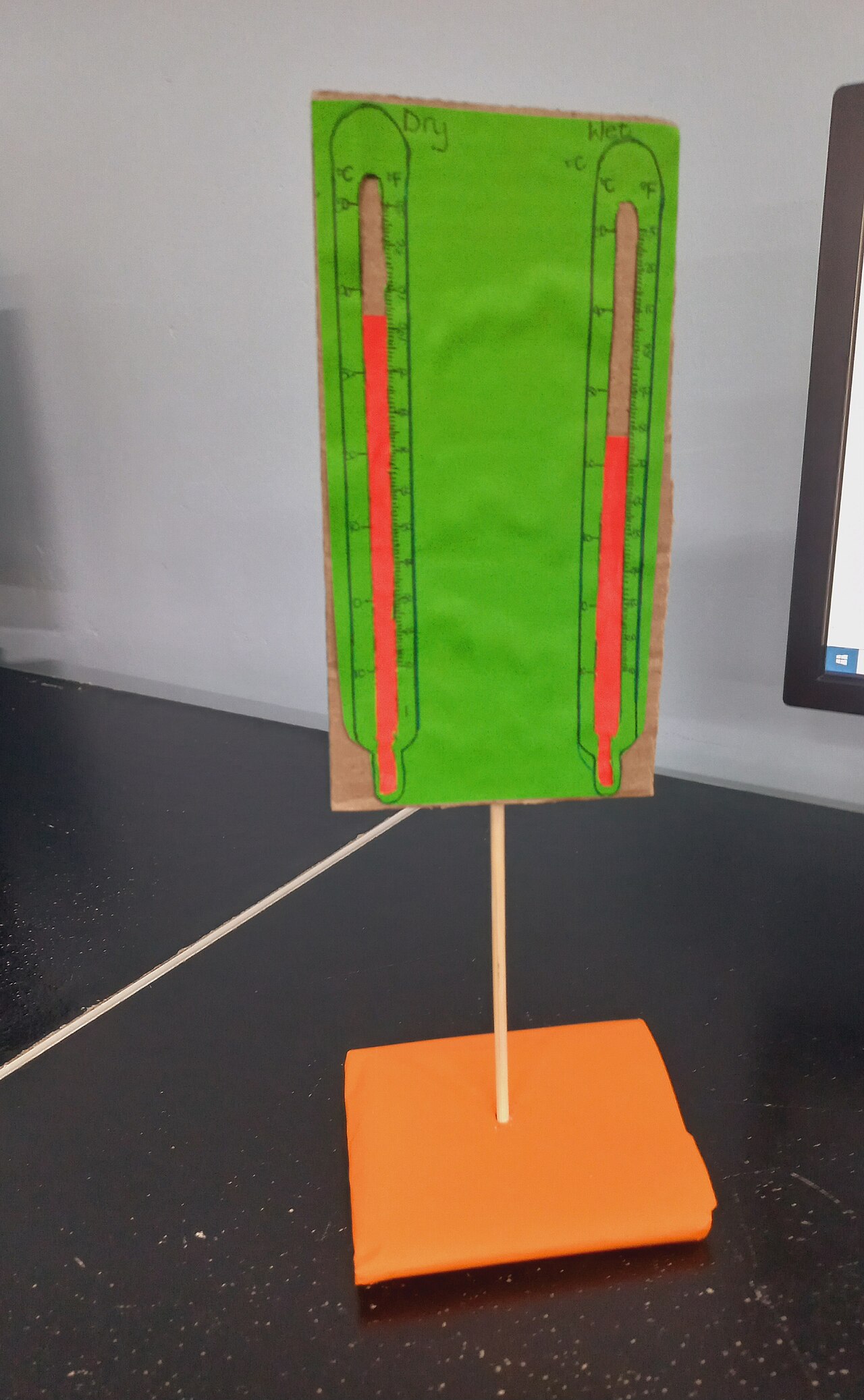
Use a digital or analog hygrometer in the room where you want to know the conditions. Place it away from an open window, radiator, shower steam or direct sunlight so a localized draft does not distort your reading. Give it time to settle after moving it. Take readings in the morning and evening for several days, and record the temperature too: relative humidity changes when temperature changes even if the total water vapor remains similar. Cheap meters can differ, so avoid reacting to a single isolated percentage point.
Why windows fog up and corners become damp
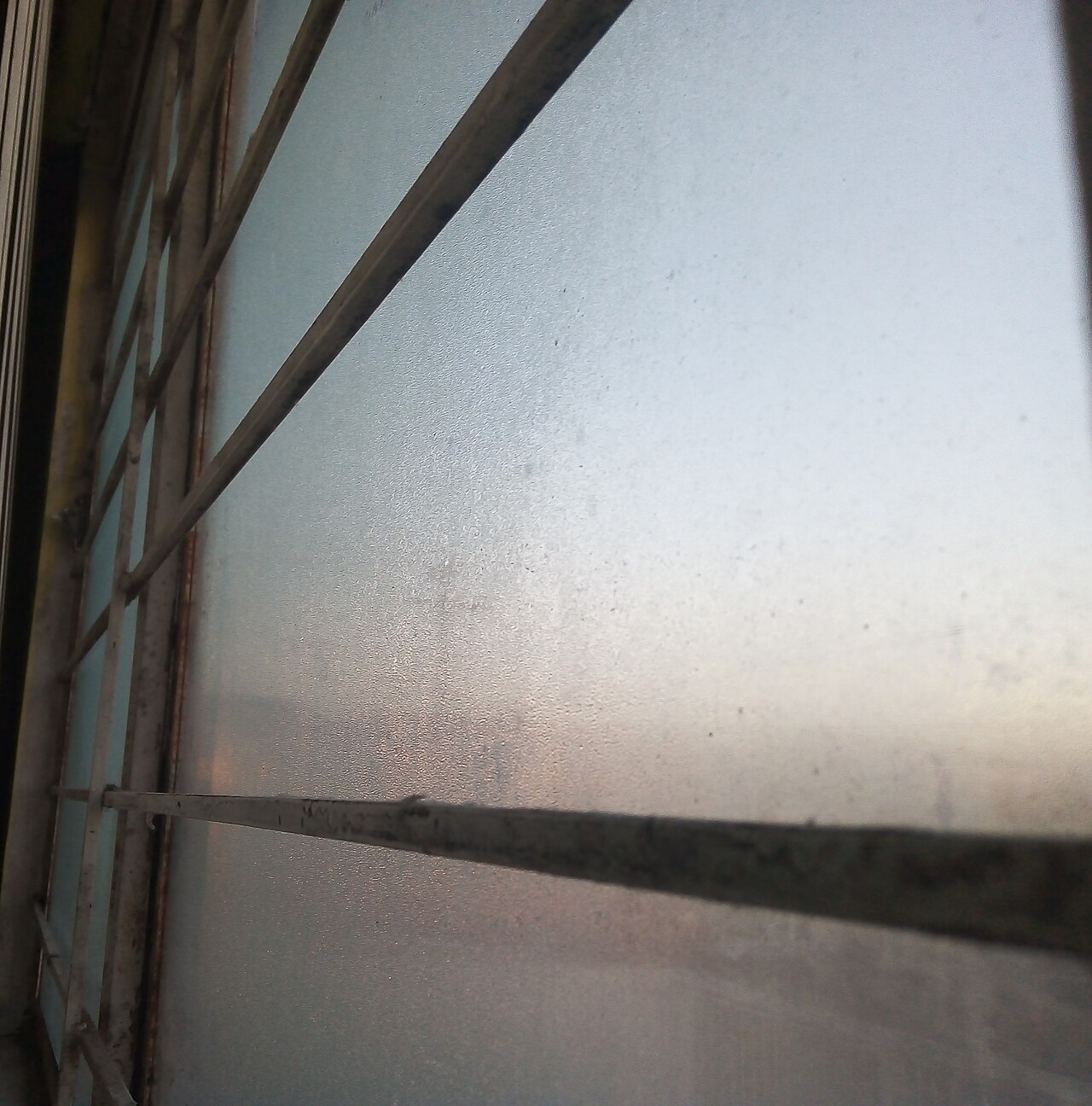
Indoor air gets moisture from cooking, showering, drying laundry, breathing and sometimes leaks. When warm humid air reaches a cold window, wall or uninsulated corner, its temperature may drop to the point where moisture condenses into droplets. Repeated condensation can damage paint, wood and soft furnishings. Investigate the cause rather than simply wiping the glass each morning. A wet patch that persists on a wall or ceiling may be a plumbing or roof problem even if the hygrometer shows a moderate number elsewhere in the room.
Ways to reduce high humidity safely
Use extractor ventilation during showers and cooking, and keep appliances that discharge moisture vented as their instructions require. Repair leaking taps, roof water intrusion and damaged seals promptly. If outdoor conditions allow, ventilate a room after moisture-producing tasks. A suitable dehumidifier may help in continuously damp spaces, but it will not fix a hidden leak. Avoid drying large loads of washing indoors without adequate ventilation. EPA emphasizes drying wet building materials promptly—usually within 24 to 48 hours after a leak—to reduce mold risk.
What to do when the air seems too dry
During heating season relative humidity can fall, especially when cold outdoor air is warmed indoors. Before buying a humidifier, measure the actual value and ask whether the problem is dryness, overheating or an irritant. If using a humidifier, clean and maintain it as the manufacturer directs; stagnant water and dirty equipment create their own problems. Never raise humidity so high that window condensation begins or damp spots appear. Adjust the target to your building, season and observed moisture, not an arbitrary maximum.
When to investigate mold or hidden water damage
Persistent musty odor, water stains, peeling paint or visible mold deserves attention even if one hygrometer reading appears normal. Do not seal moisture inside a wall, paint over active mold or assume a single air test proves the home is safe. If a leak is behind a wall or mold growth is extensive, contact a qualified building or remediation professional. Additional MURDILIMAX guides explain /guides/window-condensation-explained/, /guides/mold-moisture-home/ and /guides/find-water-leaks-home/. The goal is to remove excess moisture at its source.
A general educational overview, not a substitute for professional guidance. Check current local rules and trusted primary sources before making consequential decisions.
Share this article