Find the source of moisture before painting
A stain beside a window can indicate condensation, a leak around the frame or water entering from outdoors; the same appearance can have different causes. Check plumbing, roof junctions, gutters, ventilation and cold exterior walls. Photograph the stain, note when it grows and observe whether it changes after rain, showers or cooking. Paint and decorative wall coverings can conceal the evidence without fixing the problem.
Dry wet materials promptly and safely
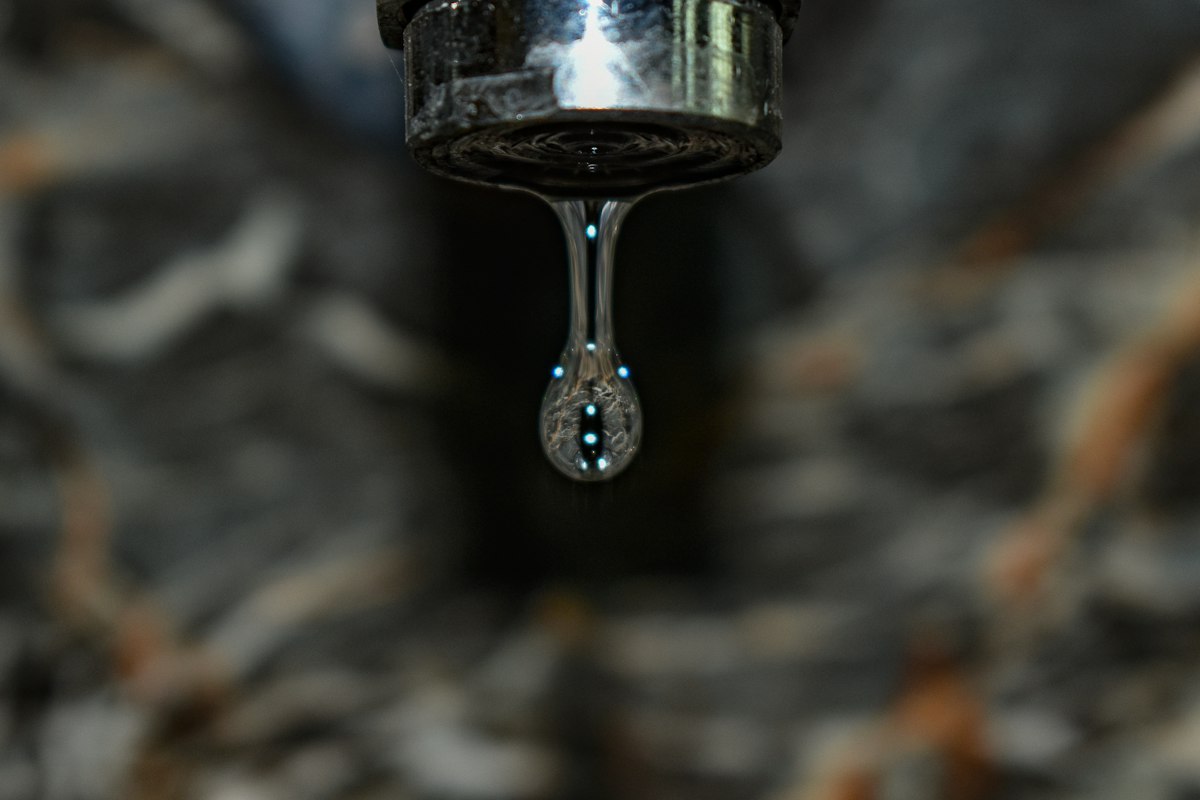
After a clean-water leak, stop the water supply and dry affected materials as quickly as you can. The US EPA advises drying damp materials within about 24–48 hours where possible to prevent mold growth. Follow electrical safety precautions near wet sockets and appliances; do not use unsafe heaters or run fans around contaminated floodwater. Porous materials that remain damp or moldy may need professional assessment or replacement rather than superficial cleaning.
Measure humidity instead of guessing
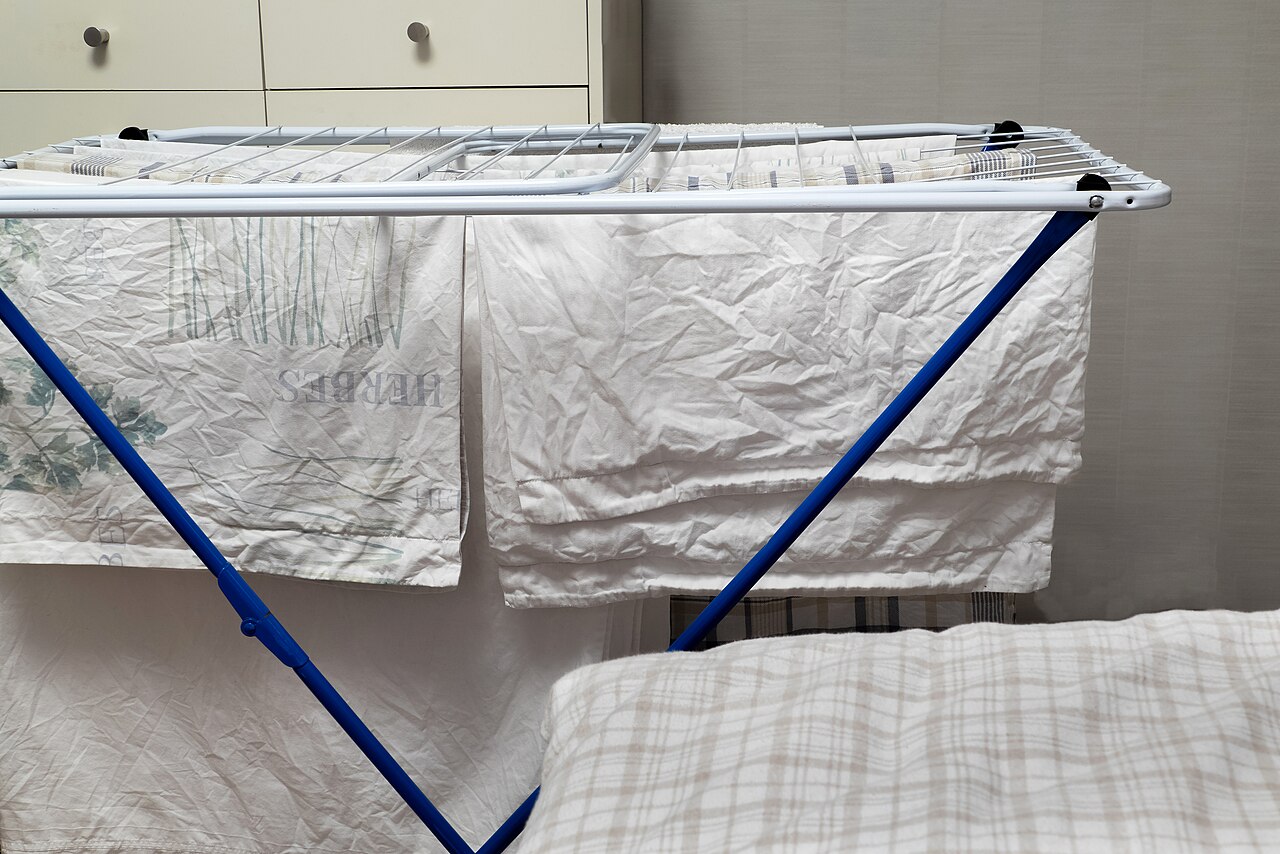
A small hygrometer helps distinguish a generally humid room from a local leak. EPA recommends keeping indoor relative humidity below 60 percent, ideally around 30–50 percent when practical. Improve extraction during showers and cooking, vent clothes dryers appropriately and check whether fresh air can enter. Condensation that repeatedly forms on cold glazing or pipework suggests that surface temperature and airflow matter as well as average room humidity.
Decide what you can clean and what needs expertise
For a small, accessible patch on a hard surface, appropriate cleaning and complete drying may be feasible after the moisture source is removed. Large or hidden damage, structural problems, contaminated floodwater, extensive porous-material damage or health vulnerabilities warrant qualified help. Do not scrape or sand unknown mold growth into the air without suitable precautions. If an occupant develops symptoms they associate with dampness, seek medical advice rather than treating the page as a diagnosis.
Prevent recurrence after repair
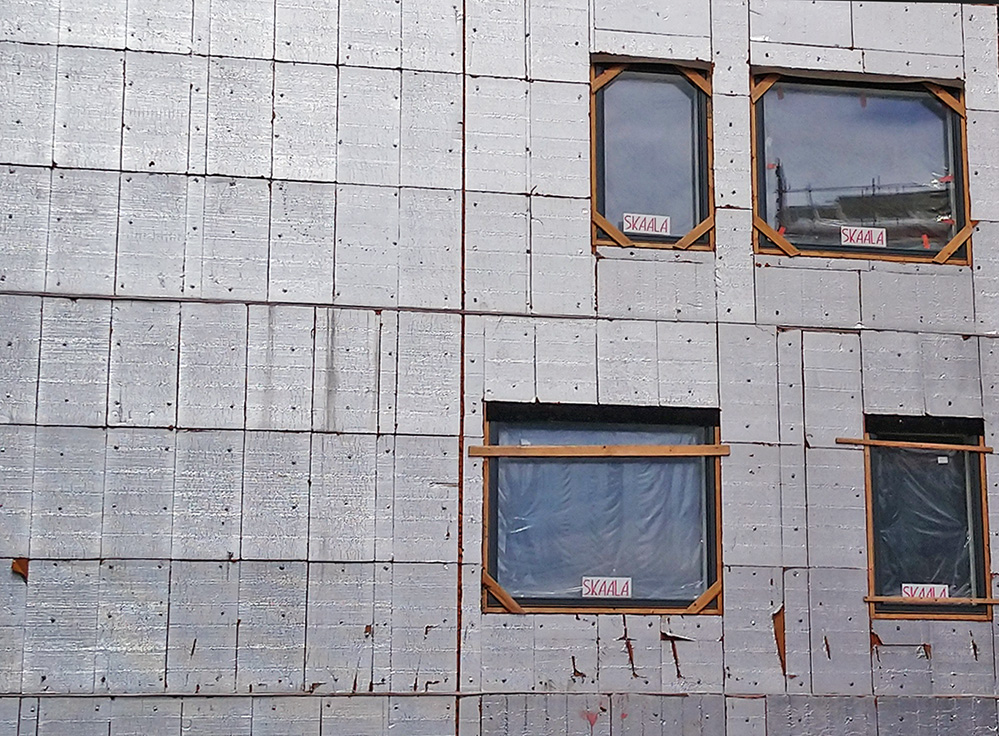
Repair gutters and leaks, keep drainage away from foundations, maintain bathroom extraction and check air-conditioning condensate lines. Do not cover wet walls with impermeable insulation or install carpet in chronically damp areas. After any repair, monitor humidity and the original damaged area for a few weeks. The useful result of a mold project is a durable reduction in moisture, not merely a wall that looks clean on the day of painting.
A general educational overview, not a substitute for professional guidance. Check current local rules and trusted primary sources before making consequential decisions.
Share this article