Find which surface is wet
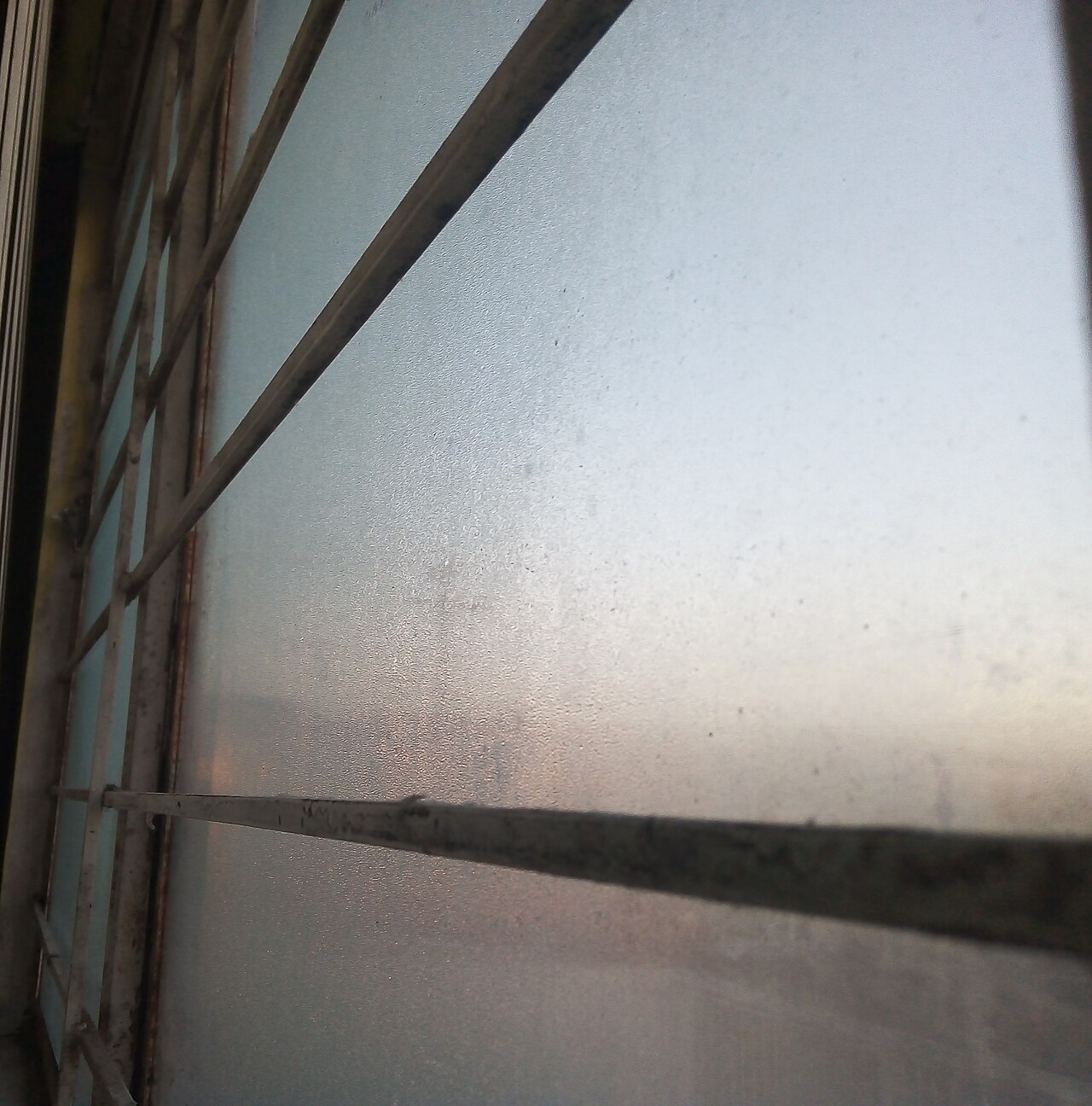
Check whether droplets are on the room side, outside or between the panes. Photograph the location and note the time, weather and room use. These are different observations and may call for different responses. Do not assume that every wet window means the glazing has failed, or that all moisture can be solved by replacing the window.
Understand why a cold surface collects water
Condensation occurs when water vapour becomes liquid. A cold window can cool nearby moist air enough for droplets to form, much like the outside of a chilled glass. Cooking, bathing and drying clothes can add indoor moisture. Look for a pattern after these activities rather than relying on a single photograph taken on an unusually cold morning.
Check the ventilation already provided
Use installed extractors as intended and keep designated vents clear. Check that air can reach and leave the room through its designed ventilation paths. Do not seal ventilation openings to stop a draught, particularly around combustion appliances. If equipment is not working or you do not understand the system, ask a qualified professional or the building manager to inspect it.
Treat persistent or hidden moisture differently
Repeated water damage, damp patches away from glass or moisture trapped between panes need investigation. Between-pane misting can indicate a glazing seal problem; a leak may follow rain rather than indoor activities. Record the pattern and report it with photographs. Covering a stain or repeatedly wiping the glass does not identify why the water keeps returning.
Change one habit and reassess
Keep a short room log and compare similar days after using extraction during moisture-producing tasks. Wipe accessible droplets safely to protect finishes while investigating. Avoid climbing outside or dismantling glazing. If the problem persists, use the log to explain it to an installer or landlord rather than buying equipment solely because it promises a universal cure for condensation.
A general educational overview, not a substitute for professional guidance. Check current local rules and trusted primary sources before making consequential decisions.
Share this article