Where carbon monoxide comes from
Gas or solid-fuel heaters, fireplaces, generators and car engines release combustion gases. Carbon monoxide cannot be reliably noticed by smell or appearance. Risk increases when equipment is defective, poorly vented or operated in enclosed spaces.
Make detectors part of your routine
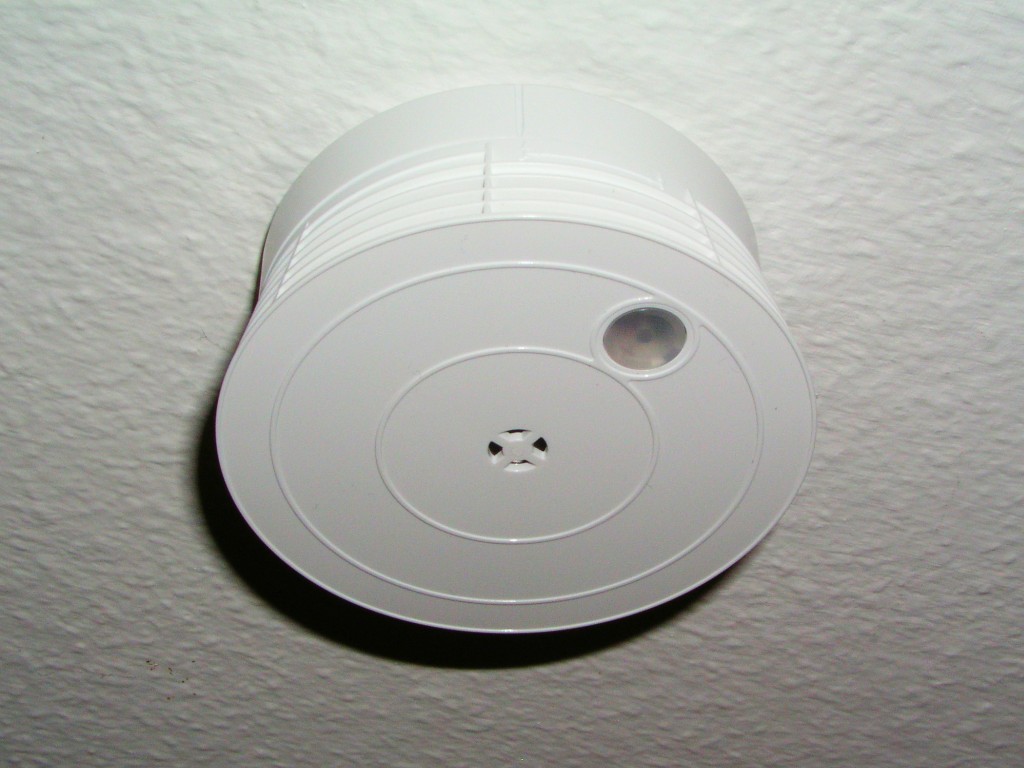
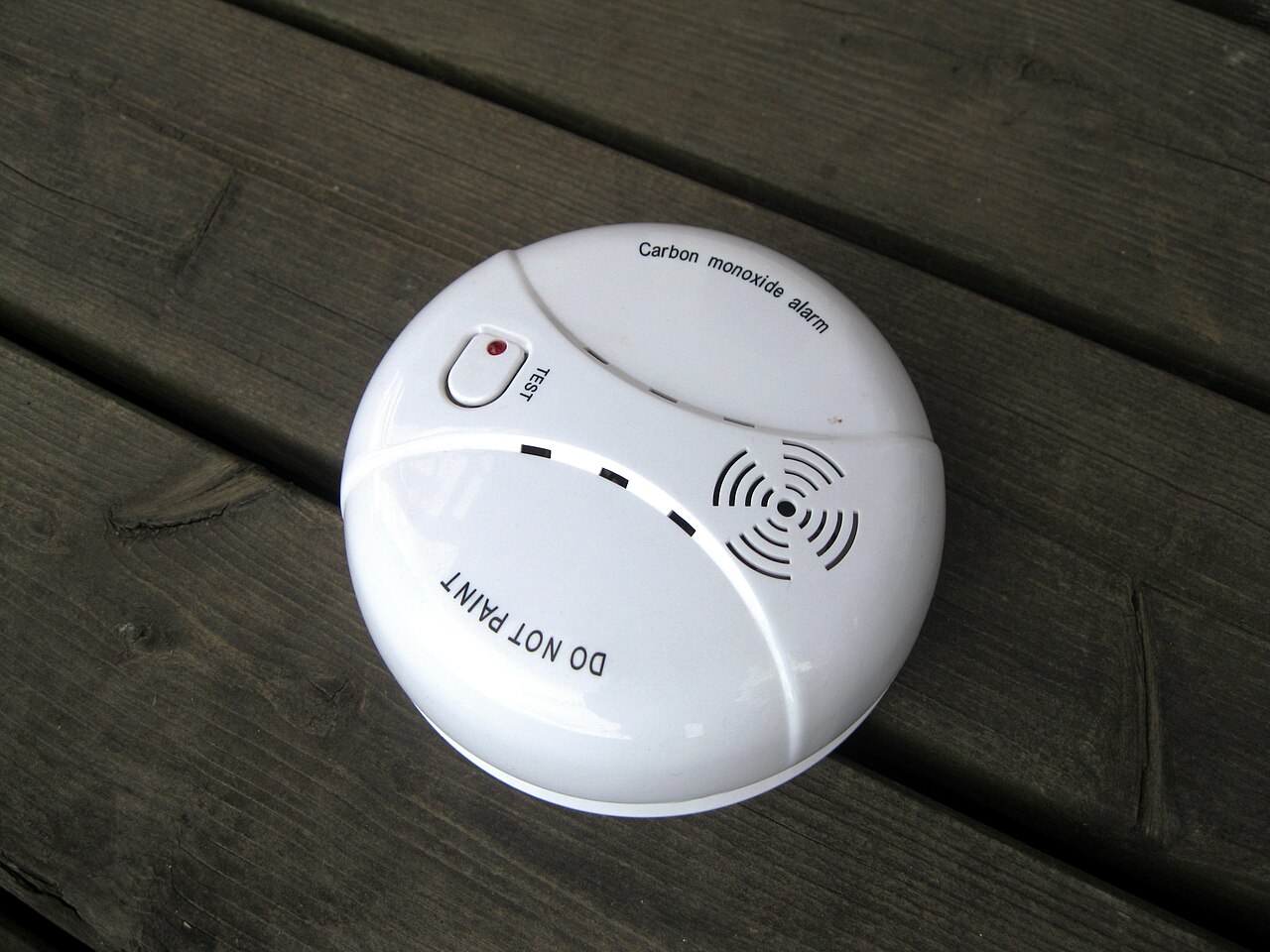
Install suitable carbon-monoxide alarms near sleeping areas according to local regulations and manufacturer instructions. Check batteries and replacement dates, and have fuel-burning heating equipment and flues maintained by qualified professionals. A smoke alarm is not a substitute for a CO alarm.
What never belongs indoors
Never run a portable generator, barbecue or fuel-burning camp stove inside a house, tent, shed or garage, even with windows open. Keep generator exhaust well away from doors, windows and vents. Do not use a gas oven to heat a room.
If an alarm sounds or symptoms appear
Headache, dizziness, weakness, nausea and confusion can signal CO poisoning, but symptoms are not reliable for self-diagnosis. Leave the building for fresh air, call emergency services and do not re-enter until professionals say it is safe.
A general educational overview, not a substitute for professional guidance. Check current local rules and trusted primary sources before making consequential decisions.
Share this article