What freezer burn actually looks like
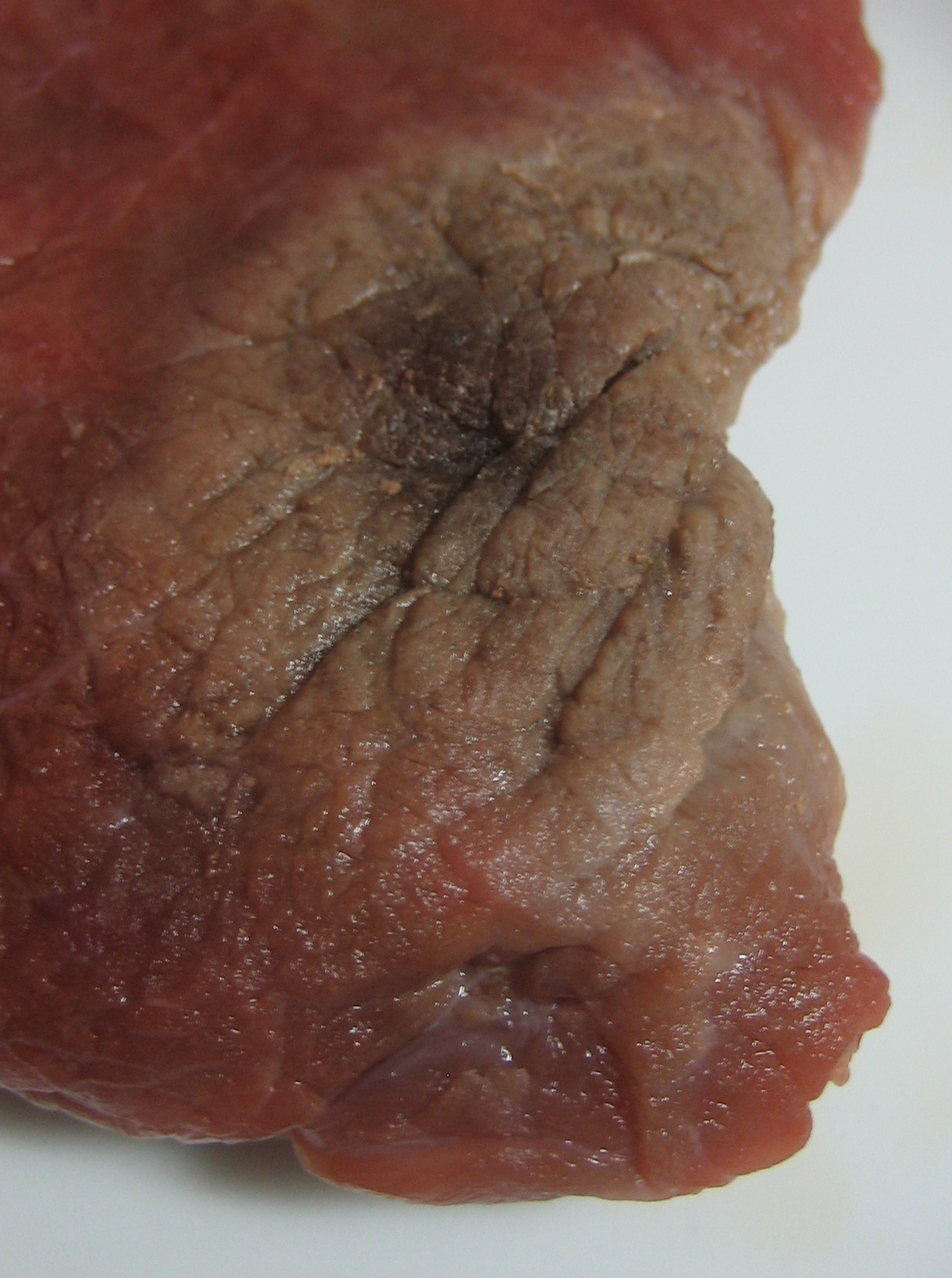
Freezer burn happens when moisture leaves the exposed surface of frozen food and air reaches that surface during storage. USDA describes grayish-brown, leathery or dry patches; in some foods the affected areas may appear pale or whitish. The effect can appear on meat, vegetables, fish or prepared meals, although the visible pattern differs. It does not mean that a flame, chemical treatment or actual burn touched the product. Freezer burn is usually caused by air exposure, poor wrapping, slow storage deterioration or temperature changes, not by a special dangerous freezer setting.
Is freezer-burned meat or frozen food still safe?
The US Department of Agriculture states that freezer burn by itself does not make food unsafe. It dries the affected areas and harms taste or texture. That important conclusion applies when the food was handled safely and remained properly frozen. It does not excuse unsafe thawing, raw-meat contamination or a freezer outage that let food stay warm. If there is evidence of spoilage, an unpleasant odor after thawing, or uncertainty about prolonged warming, follow official food-safety guidance rather than using the appearance of a white patch as the only test.
Why packaging is often the main cause
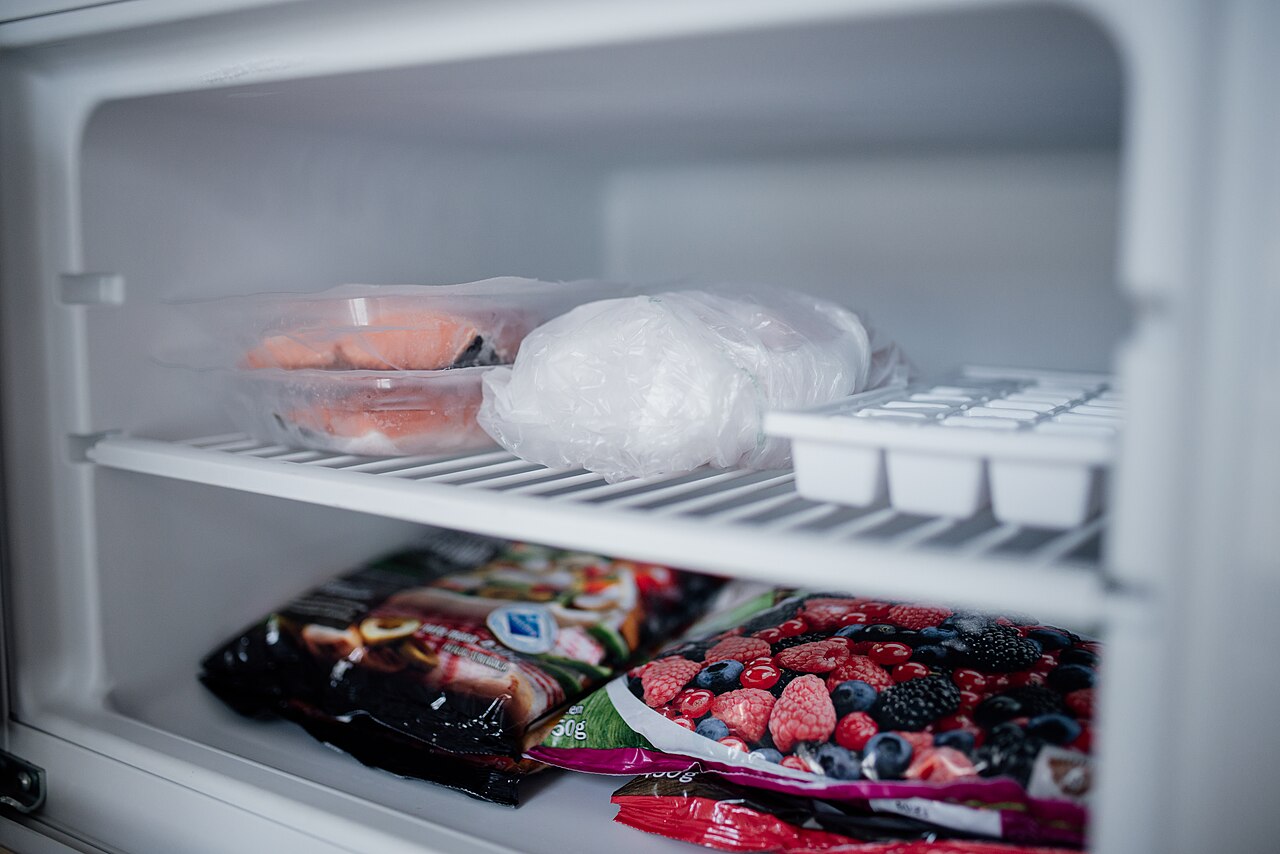
Air contacting frozen food encourages surface drying and oxidation. A loosely wrapped steak, opened bag of vegetables or container with large air pockets can develop the problem more quickly. Ice crystals inside a package and repeated temperature fluctuations can also affect quality. Use packaging designed for freezing, remove unnecessary air when practical and close every seal securely without crushing the food. For meal-size portions, wrapping individually can reduce how often a large bag is reopened. Do not rely on damaged plastic wrap or unsealed cardboard packaging as a long-term barrier.
Freezer temperature and how long food lasts
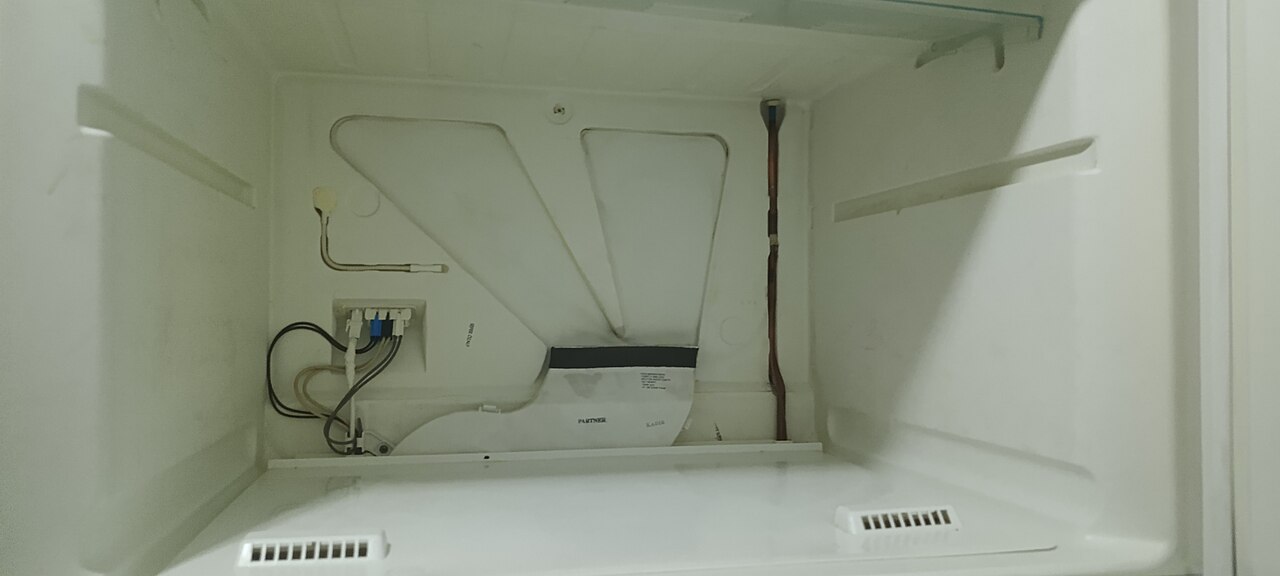
FDA recommends a freezer temperature of 0°F (−18°C) or lower for long-term food storage. At that temperature, properly frozen food can remain safe for very long periods, but its eating quality gradually declines. Food-safety charts for recommended storage months mainly concern taste and texture, not an automatic expiration date. Use a freezer thermometer if temperatures vary, avoid frequently leaving the door open and label packages with dates. Freezing stops microbial growth while food is frozen, but does not kill every microorganism or restore an unsafe product.
Can you cut off the dry parts and eat the rest?
When the product stayed safely frozen and only some areas show freezer burn, USDA says the affected pieces can be trimmed away before or after cooking. The remaining portion may still taste acceptable, but heavily damaged food may be worth discarding because it will be very dry or unpleasant. Do not use trimming as a remedy for mold, a rotten smell or unsafe thawing. For meat, poultry and seafood, follow the correct cooking-temperature guidance for the product. Never taste a questionable raw or thawed food to decide if it is safe.
How to avoid freezer burn next time
Cool cooked food promptly and package it in suitable airtight containers or freezer bags, leaving appropriate expansion space for liquids. Label the freezing date, avoid large trapped air pockets and use older packages before newer ones. Keep the freezer at the manufacturer-recommended temperature and check door seals if frost buildup keeps returning. For related food care, browse /guides/freezer-food-storage/, /guides/refrigerator-food-safety/ and /guides/freezer-frost-buildup-checklist/ on MURDILIMAX. Better packaging protects quality, but good hygiene and continuous cold storage protect safety.
A general educational overview, not a substitute for professional guidance. Check current local rules and trusted primary sources before making consequential decisions.
Share this article