Check the temperature instead of trusting the dial
A household freezer is generally set to 0°F (−18°C) or colder for safe long-term frozen storage. Use a freezer thermometer if the appliance has no reliable display. Food kept continuously frozen at that temperature can remain safe, although texture and flavor decline over time; storage charts usually describe quality, not a deadline when everything suddenly becomes unsafe. A faulty door seal, frequent thawing or an overloaded warm appliance can change the picture. Check the current FoodSafety.gov table for individual food recommendations.
Pack food in portions and remove excess air
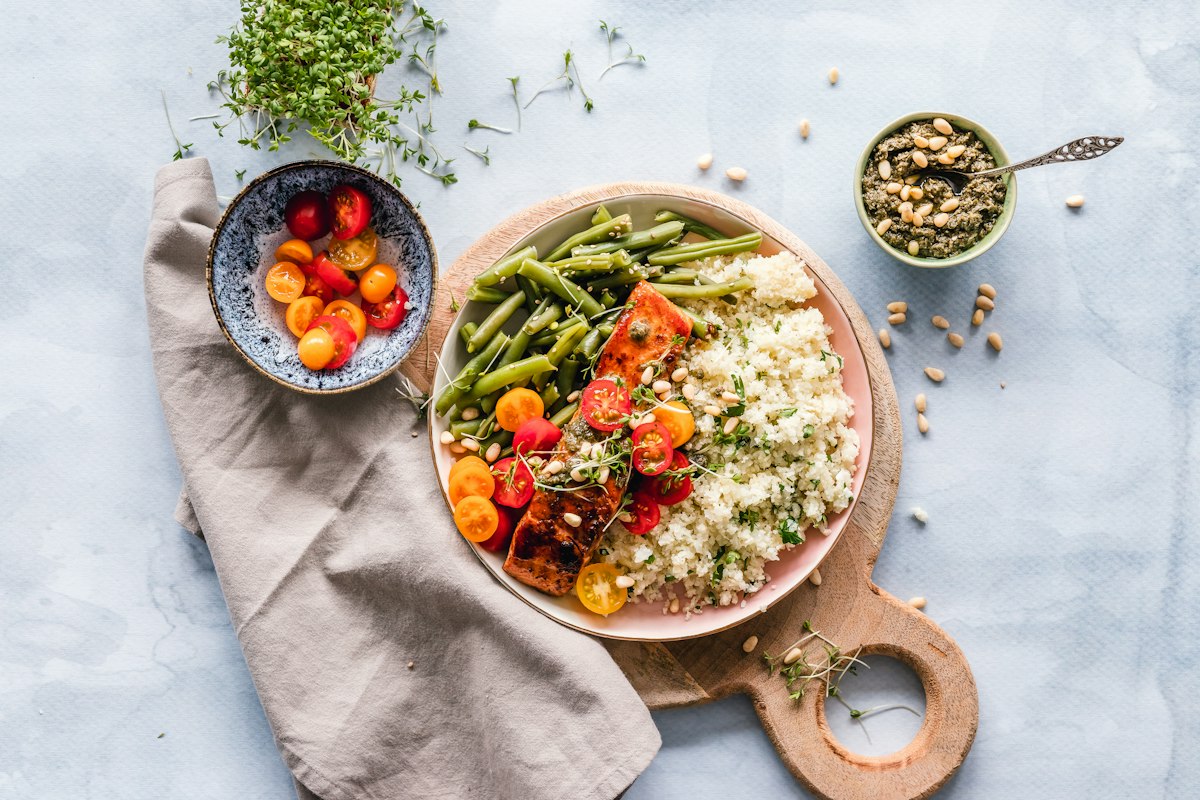
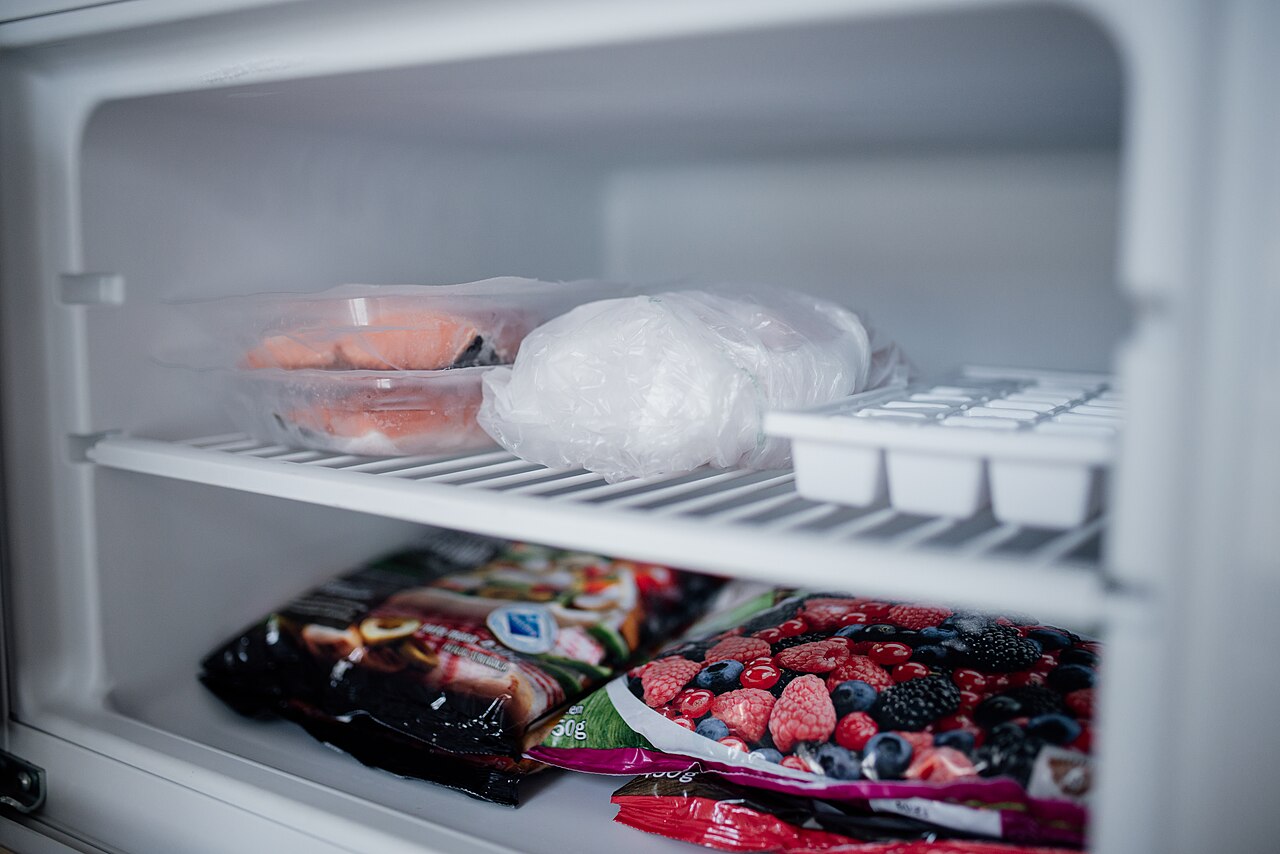
Use freezer-suitable containers or bags that close tightly. Divide cooked meals into meal-size portions and label the contents and freezing date. Expel excess air where appropriate to help limit freezer burn, which primarily affects quality. Avoid putting a very large pot of hot food straight into a crowded freezer: cool it safely using shallow containers and follow food-safety guidance for prompt refrigeration. Keep raw products contained so their juices cannot contaminate ready-to-eat foods while packing or thawing.
Group similar foods and keep a simple list
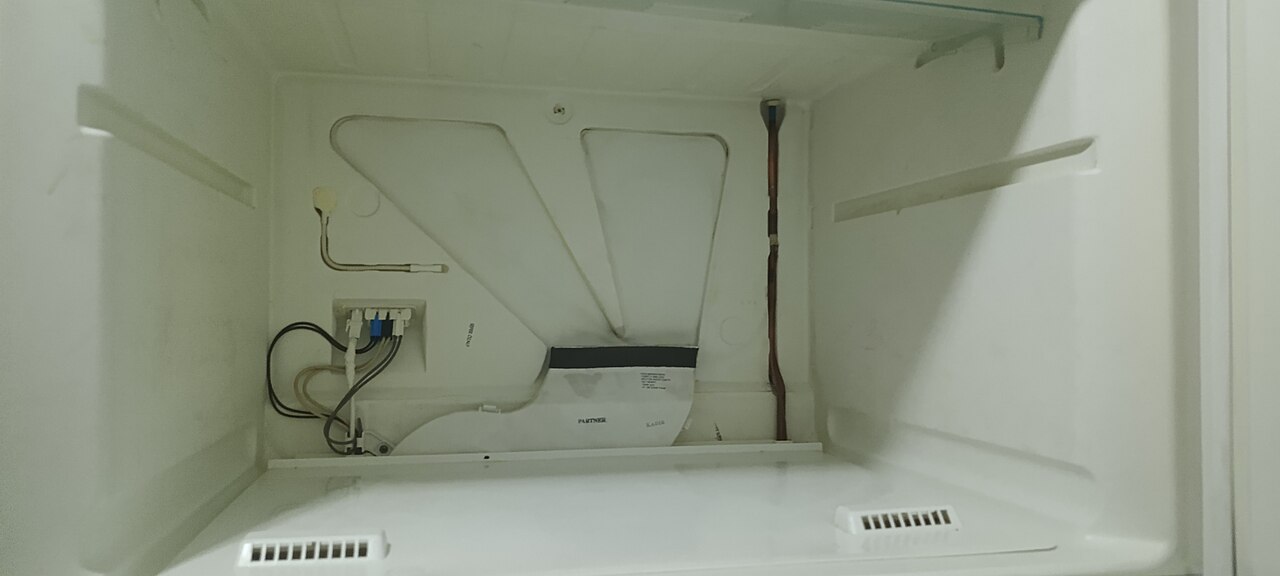
Assign zones for vegetables, bread, meat, cooked meals and ingredients used for quick dinners. Keep newer items behind older ones when practical. A washable marker on bags or a short note on your phone saves time when boxes are opaque. Do not block the cooling vents identified by the appliance maker. If the freezer has drawers, use them for stable categories rather than stacking loose packages that fall when the door opens. Schedule a brief inventory before shopping so you use what you already have.
Thaw safely, not on the kitchen counter
The safest routine for many foods is thawing in the refrigerator. Other approved methods include cold water with appropriate handling or a microwave when the food will be cooked immediately. Leaving raw meat on the counter for hours creates conditions for bacterial growth even while the center remains icy. Follow food-specific instructions and check safe cooking temperatures with a food thermometer. Do not taste questionable food to judge safety. If the freezer loses power, consult official outage guidance before deciding what to keep or discard.
Inspect regularly and treat dates correctly
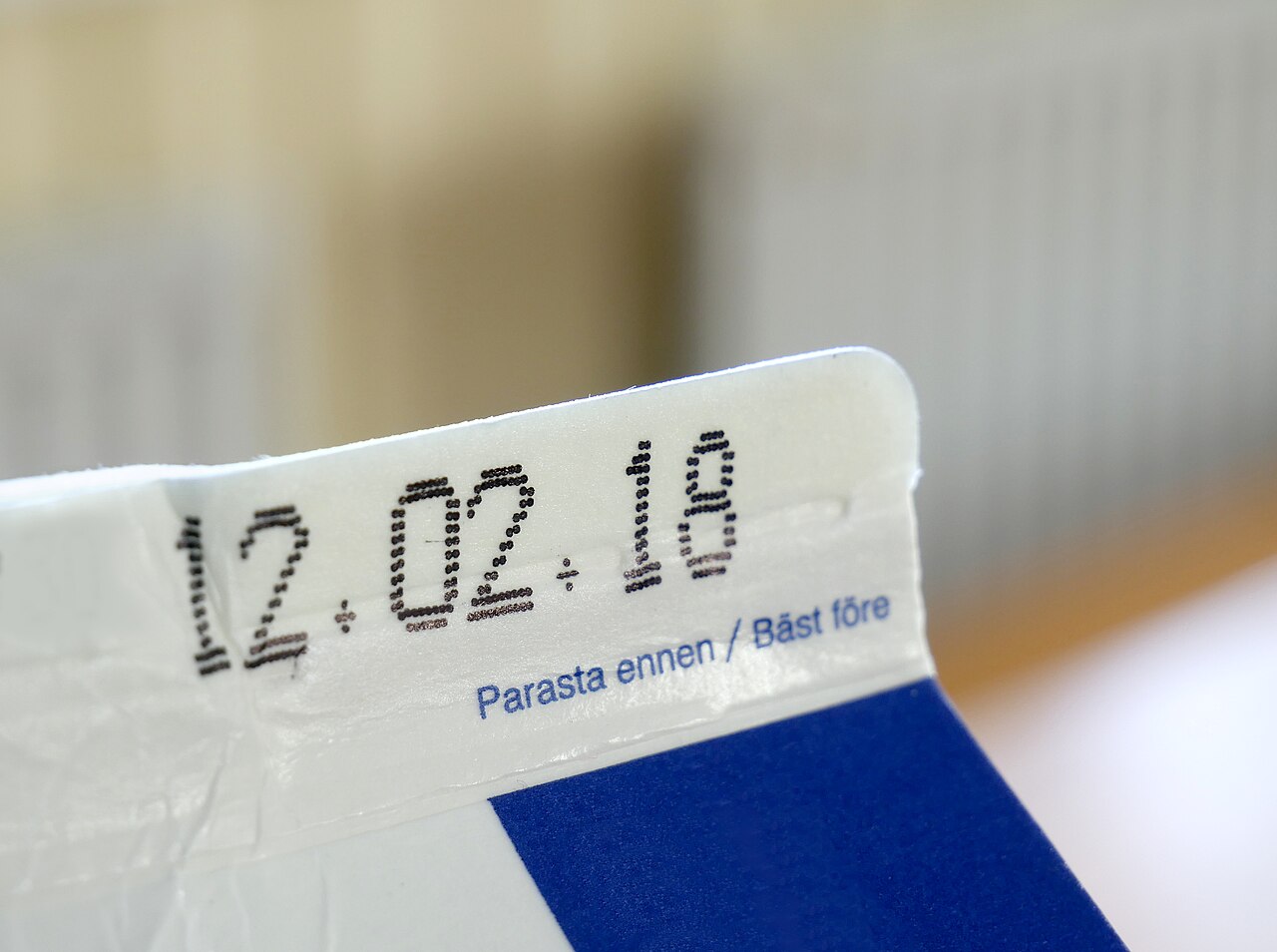
Use the manufacturer's guidance to clean seals and manage frost. A package covered in ice crystals or showing freezer burn may taste worse, but those signs alone do not prove dangerous bacterial growth. A package that thawed and stayed warm is a different issue and may need disposal. Check FoodSafety.gov for food-specific quality periods rather than applying one number to everything. When in doubt about temperature history or contamination, discard the food instead of gambling on a sniff test.
A general educational overview, not a substitute for professional guidance. Check current local rules and trusted primary sources before making consequential decisions.
Share this article