Note the outage time and keep the doors closed
When electricity goes out, write down the approximate start time and avoid opening the fridge and freezer unnecessarily. Cold air escapes every time a door opens, making the food warm faster. Prepare a flashlight that runs on batteries rather than repeatedly checking the fridge light. A refrigerator generally maintains a safe cold temperature for around four hours with the door closed. These are planning estimates, not guarantees: appliance design, ambient heat, how often the door was opened and prior temperature matter. Use a reliable refrigerator thermometer when available.
Know the refrigerator's four-hour limit
According to CDC and FoodSafety.gov, refrigerated perishable items such as meat, fish, eggs, milk and leftovers should be discarded after four hours without power or another dependable cold source. Cut fruits and vegetables and many prepared foods are also temperature-sensitive. If electricity returns before that point and the fridge stayed closed, check temperatures and the applicable food-safety guidance. A room that feels cool does not prove food remained safe. Do not use smell or taste to decide: dangerous bacteria may be present even when an item looks perfectly normal.
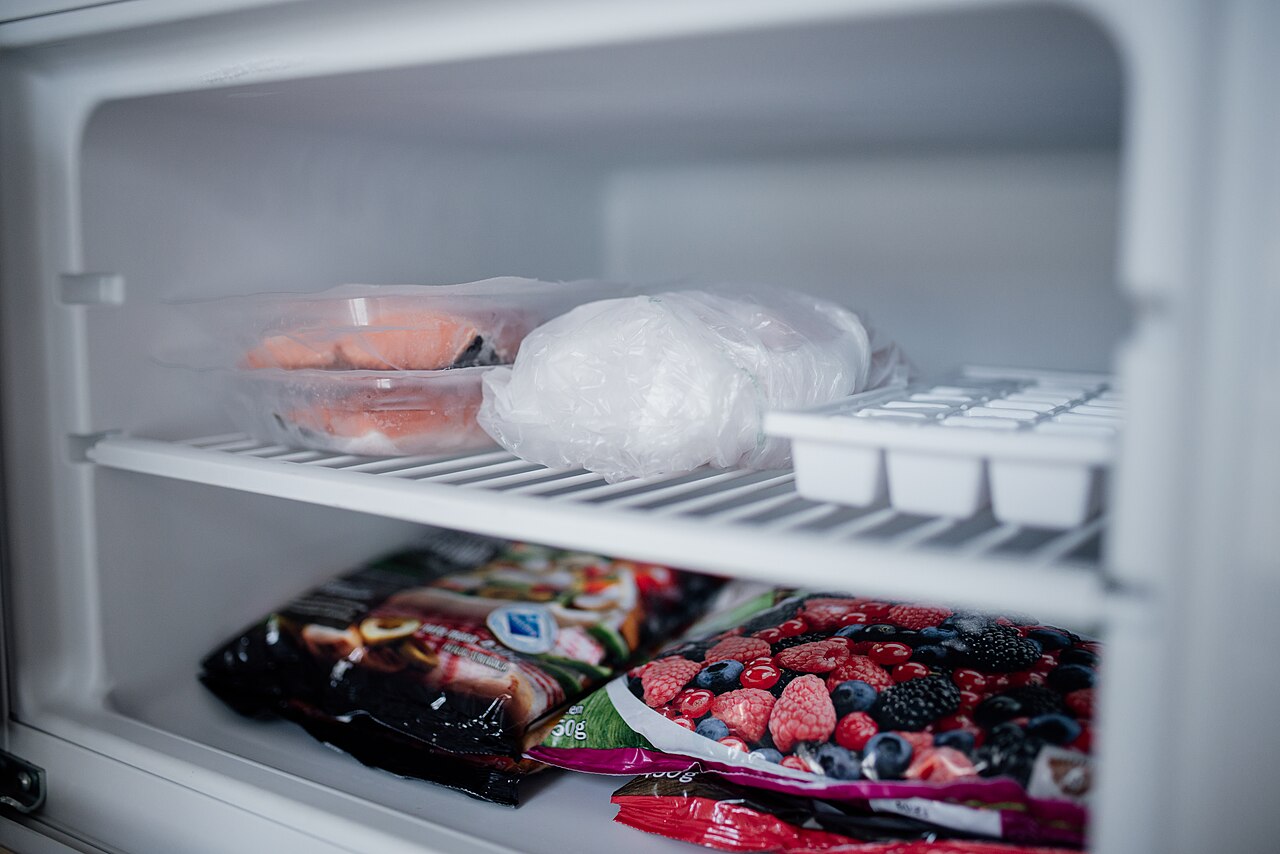
The freezer may keep food safe longer
A full, unopened freezer can maintain safe conditions for approximately 48 hours; a half-full freezer for about 24 hours. Actual times vary. Keep frozen packages grouped together to retain cold and avoid unnecessary door openings. Once power returns, check each food item. Frozen items that still contain ice crystals or have a measured temperature of 4°C (40°F) or below may generally be cooked or refrozen according to official guidance, although quality can suffer. For a fridge-freezer combination, consult the appliance's instructions rather than assuming the longest freezer estimate always applies.
Use a cooler and ice when an outage lasts
If the outage is likely to exceed four hours, move perishable food to a cooler filled with ice or frozen gel packs while it is still at a safe temperature. Aim to keep it at 4°C (40°F) or colder and monitor with a thermometer. Refreezing food that has become unsafe does not reverse bacterial growth. If you use dry ice, follow safety precautions and never handle it with bare skin or let carbon dioxide accumulate in enclosed spaces. Do not store fuel or unsafe chemicals in food containers, and use safe drinking water for food preparation.
Which foods should be thrown away
High-risk refrigerated items commonly include raw or cooked meat, poultry, seafood, dairy products, eggs, cut produce and prepared leftovers. FoodSafety.gov publishes separate reference charts for foods with different risks; items such as hard cheese or unopened shelf-stable products may have different advice. If flood water, sewage or chemical contamination reached packaging, separate emergency rules apply. A home thermometer can help, but do not 'test' a doubtful item by tasting it or cooking it extra thoroughly. When the temperature history is unknown and the food is risky, discard it.
Get ready for the next blackout
Place appliance thermometers in the fridge and freezer, plan a few shelf-stable meals and keep coolers or frozen gel packs accessible. Record emergency contacts for your electricity provider and ensure anyone who relies on electricity for medical equipment has an individual backup plan with healthcare professionals. After power returns, check whether the appliance cools properly before restocking. Photograph food and keep receipts if insurance coverage is relevant, but do not keep unsafe items solely for a claim. This article covers general food-safety guidance; follow local authorities during disasters or long regional outages.
A general educational overview, not a substitute for professional guidance. Check current local rules and trusted primary sources before making consequential decisions.
Share this article