Where the frost comes from
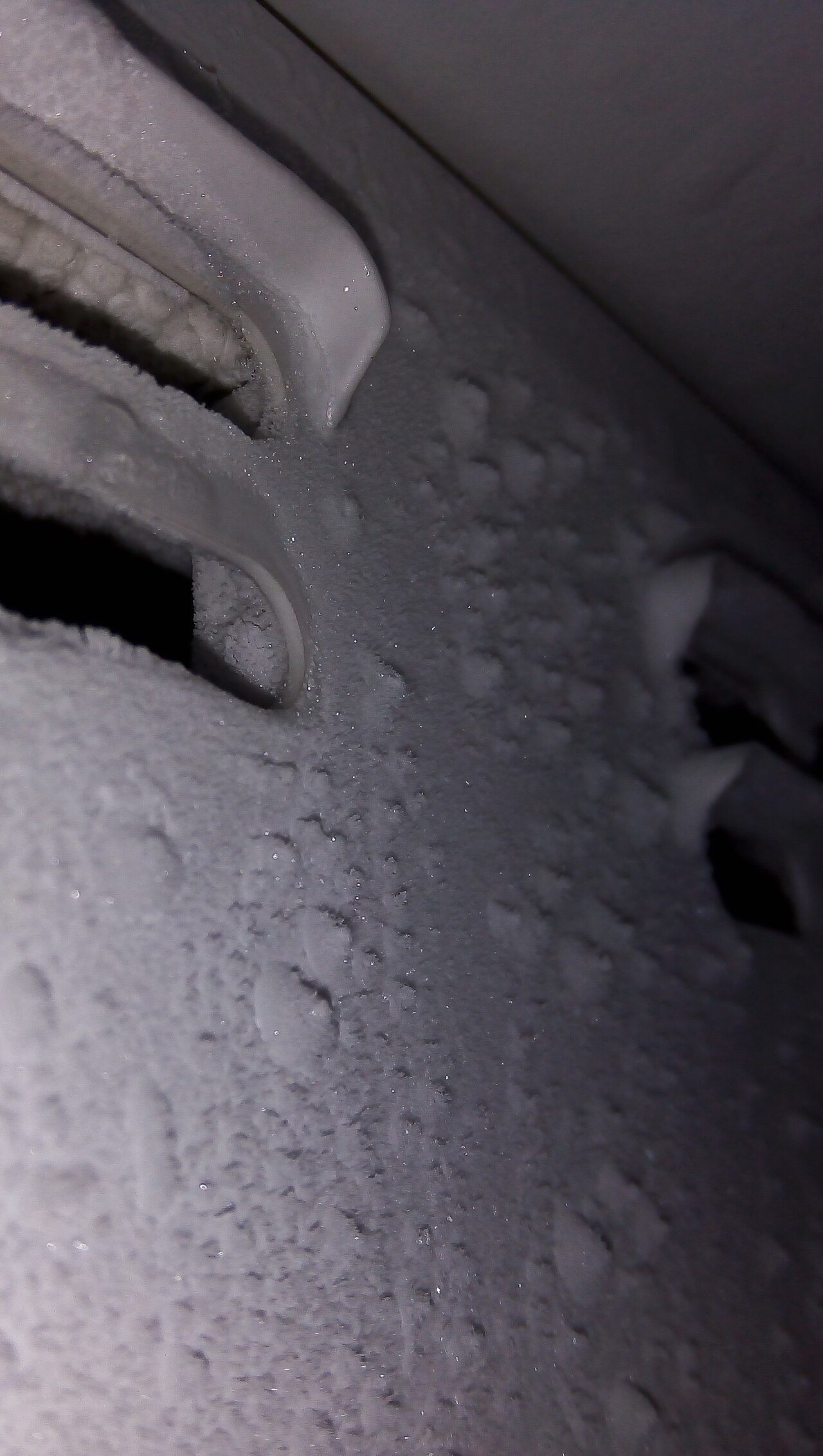
Moisture entering the compartment forms frost on cold surfaces. Room air admitted when the door opens and inadequately sealed packaging can contribute. Gradual accumulation is expected in a manual-defrost model, but rapid growth of a thick layer deserves investigation. First identify the freezer type in its manual: conventional and frost-free systems have different maintenance requirements.
Check for a door obstruction
Briefly open the compartment and look for a protruding box, bag or drawer handle. Make sure drawers are seated correctly and the door closes fully. Even a small gap can admit humid air continuously. Photograph where the frost first appeared: near the door, on packaging or towards the back. That record can help a technician if service becomes necessary.
Inspect and clean the gasket
Check the seal around its full perimeter for crumbs, sticky deposits, folds and tears that prevent contact. Remove accessible dirt with a soft cloth and warm soapy water, then dry it, provided the manual allows this cleaning method. Do not forcefully stretch the gasket or heat it with a hair dryer. A damaged seal needs a suitable replacement rather than improvised glue or thick tape.
Keep air routes unobstructed
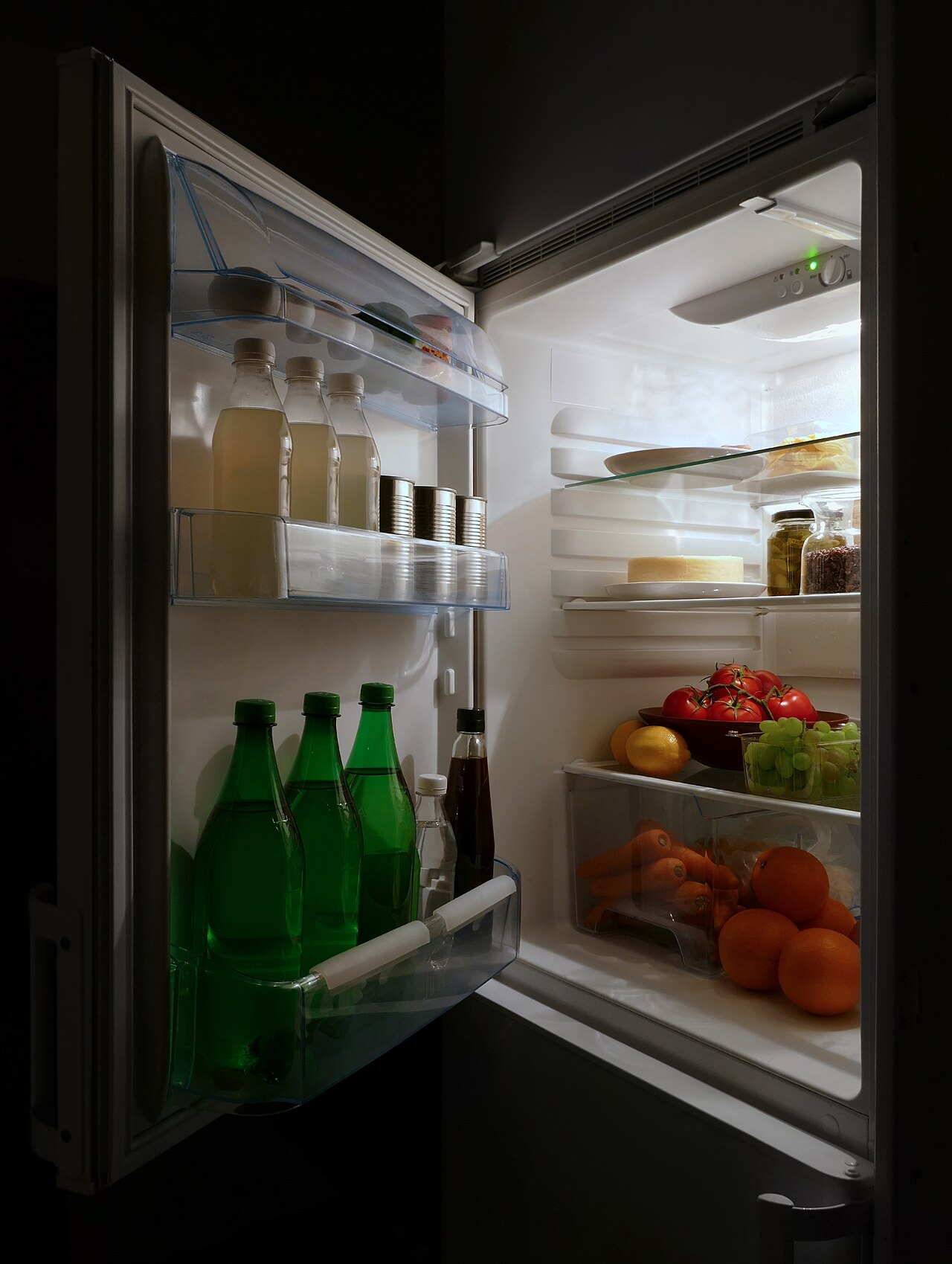
In ventilated models, packages must not block air supply or return openings. Locate these using the manual without removing internal panels. Close food in suitable packaging and arrange items so that you can find what you need quickly. Do not try to compensate for icing by permanently selecting the coldest setting: check door closure and airflow first.
If the freezer needs defrosting
Follow the model’s instructions. Arrange another working freezer or a suitable cold container for the food beforehand, disconnect the appliance as instructed and collect meltwater. Never chip ice away with a knife or accelerate melting with a hair dryer: these can damage the compartment and its components. After cleaning and drying, let the freezer regain its operating temperature before returning food.
When to contact a technician
Request service if heavy ice rapidly returns, a fan catches on it, cooling deteriorates or an error repeatedly appears. Frost-free systems can develop faults that cannot be diagnosed from frost appearance alone. Record the model, display messages, measured temperature and time since defrosting. Do not remove panels or interfere with electrical components or the refrigeration circuit.
A general educational overview, not a substitute for professional guidance. Check current local rules and trusted primary sources before making consequential decisions.
Share this article