Staling is more than drying out
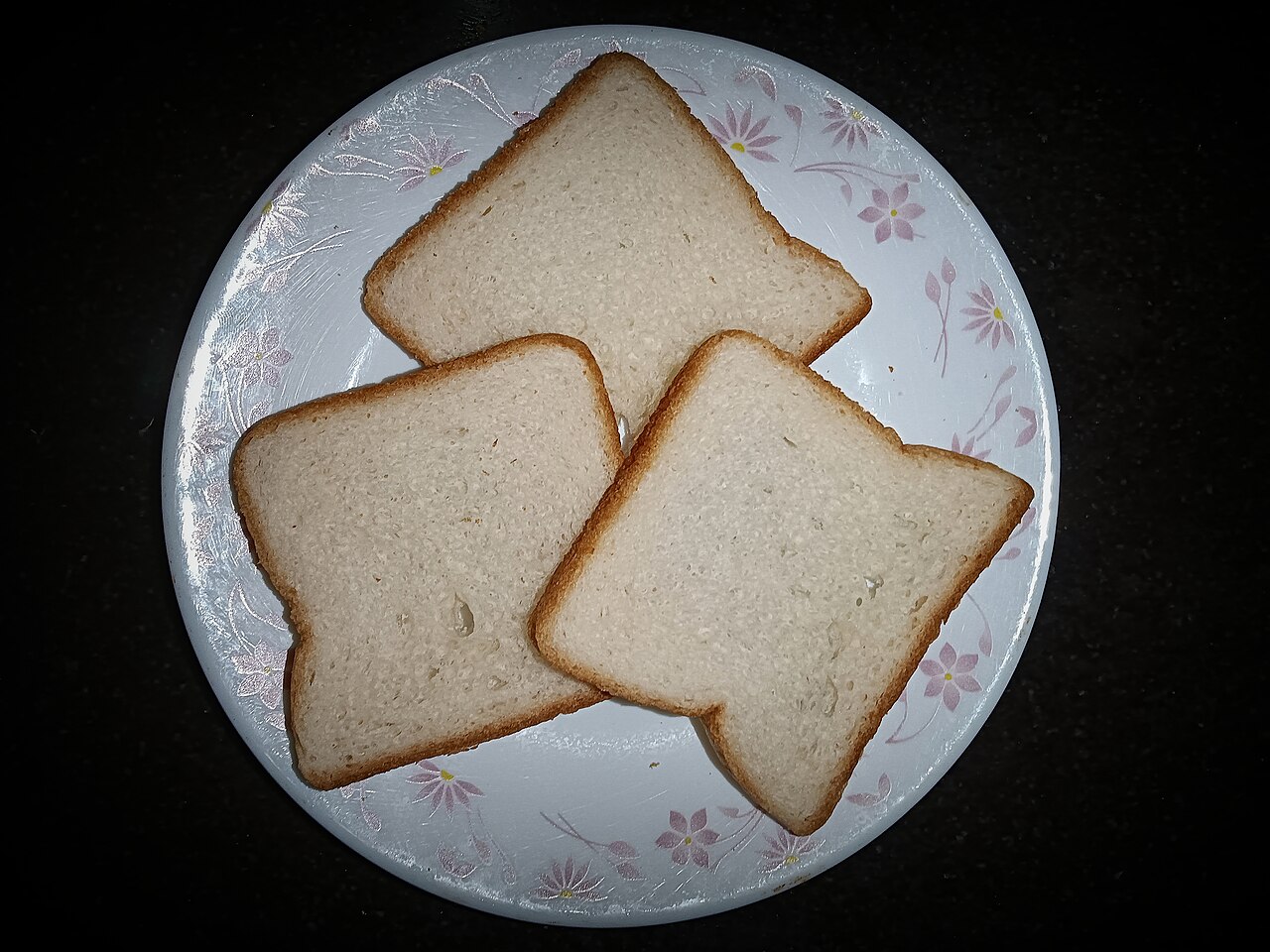
After baking, the crumb gradually firms as starch reorganises and moisture moves between components of the bread. This starch change is called retrogradation. Drying also affects texture, but even bread in sealed packaging can become firmer. A bag helps limit moisture loss without completely stopping crumb ageing. The crisp crust and soft interior change in different ways during storage.
Why the refrigerator is a compromise
At ordinary refrigerator temperatures, many breads firm faster than at room temperature. Chilling may nevertheless slow mould growth: preserving texture and delaying microbial spoilage are different goals. In a very hot, humid home, that trade-off may be worthwhile. For ordinary bread without perishable fillings that you want to keep longer, freezing portions is often more useful than refrigerating the loaf.
Keep a small amount for soon
Store fully cooled bread in clean packaging or a bread box away from direct sunlight and heat. Do not seal a still-hot loaf in an airtight bag, where condensation can collect. Tight wrapping helps retain softness but may soften a crisp crust. Storage life depends on the recipe, humidity and packaging; a universal promise of a week without changes is not realistic.
Freeze portions while quality is good
Divide cooled bread into portions or slices, wrap securely in freezer-suitable packaging and label the date. Freeze while it is still in good condition, rather than waiting for suspicious spots. Take out only what you need instead of repeatedly thawing the whole loaf. For packaged products, follow the label and manufacturer’s instructions, particularly if the bread was sold already thawed.
What reheating can and cannot do
Warming can temporarily improve the texture of ordinary stale bread. Slices work well as toast, and suitable bread can become croutons. This does not permanently restore its original state, so use the warmed portion soon. Products with meat, dairy or other perishable fillings need their own storage rules: advice for an ordinary room-temperature loaf must not be extended to those foods.
Do not just cut mould away
If bread grows mould, discard the affected loaf or package rather than only removing the visible spot. Bread is porous, and contamination may extend below the surface. Toasting is not a way to make it safe, and tasting is not a safety test. Clean the storage area and check nearby food. Freezing portions beforehand reduces waste without trying to rescue food that has already spoiled.
A general educational overview, not a substitute for professional guidance. Check current local rules and trusted primary sources before making consequential decisions.
Share this article