Why the green flesh changes color after cutting
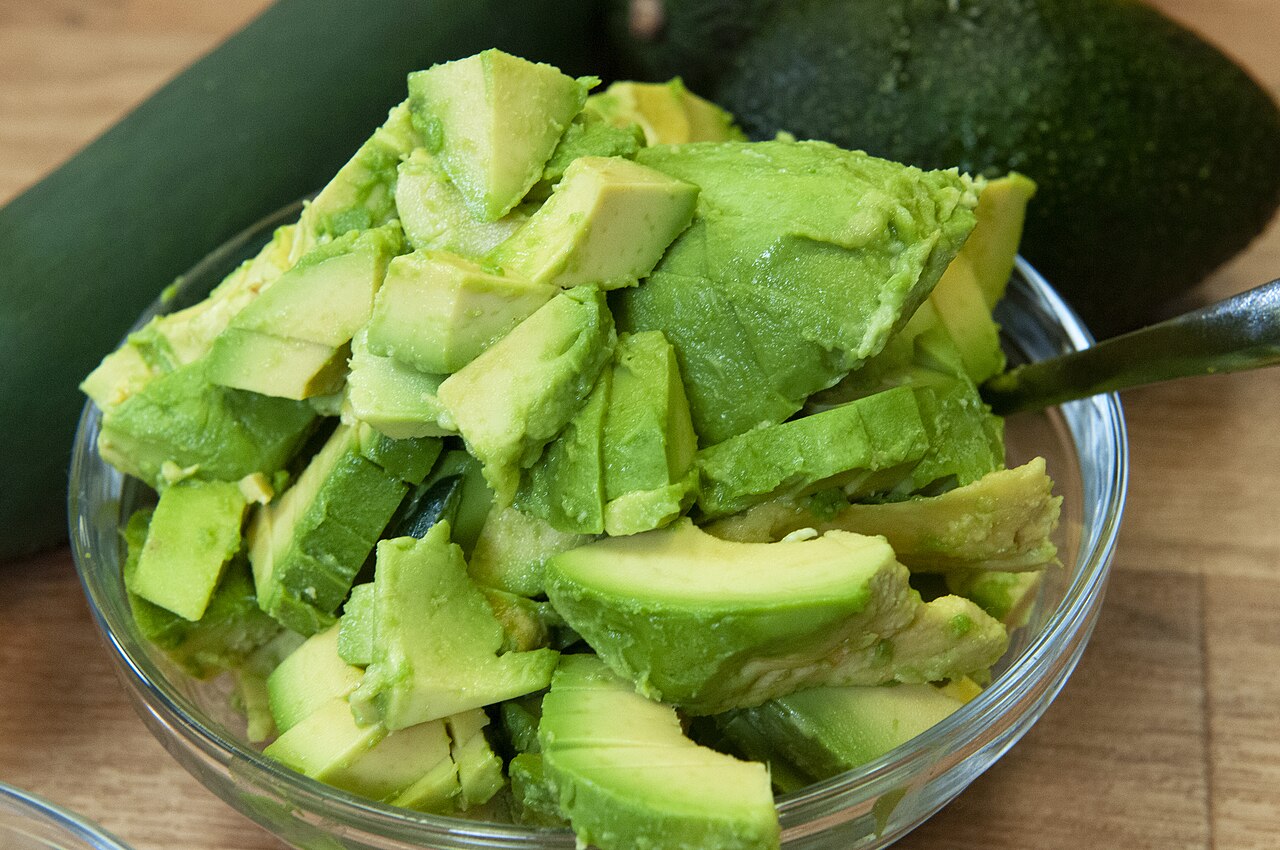
Avocado contains natural enzymes, including polyphenol oxidase, that can react with compounds in the flesh once cutting exposes them to oxygen. This process produces brown pigments on the surface, much like the darkening of a sliced apple. The California Avocado Commission describes the change as oxidation. It is primarily a quality and appearance problem, not instant proof that the fruit is spoiled. The speed depends on ripeness, temperature, exposure to air and the amount of surface damage when cutting or mashing.
Lemon or lime juice can delay darkening
The California Avocado Commission suggests applying lemon or lime juice to the cut surface to help slow oxidation. Acidity and antioxidant compounds can affect the browning reactions, though they will not preserve the color forever. Brush on a small amount, and remember that citrus changes flavor and may not suit every recipe or allergy. Vinegar also changes acidity but can make the fruit taste sour. None of these treatments is a substitute for refrigeration and good food handling, especially in a prepared dip or sandwich.
Limit exposure to air with tight wrapping
Press clean food-safe film close against the exposed surface or place the avocado cut side down in an airtight food container, then refrigerate promptly. The seed itself has no special chemical power to stop browning; it may simply cover the small part of the fruit that it touches. For guacamole, smooth the surface and use wrap directly against the dip rather than leaving a large pocket of air inside a container. Keep cutting tools and surfaces clean before handling fresh produce, especially if the flesh will be eaten raw.
Store cut avocado cold, but do not leave it indefinitely
An uncut hard avocado often ripens at room temperature, but once the fruit is cut it becomes perishable. Refrigerate leftovers in a clean covered container at or below 4°C (40°F), as FDA advises for cut and perishable produce. Never assume that a lemon coating makes room-temperature storage safe. Wash the skin before cutting so dirt on the peel is not carried inside by the knife. For guacamole made with other ingredients, also consider how quickly those ingredients spoil and follow their refrigeration instructions.
Is a brown avocado still edible?
A thin brown surface may result from normal oxidation; the California Avocado Commission notes that the browned layer can sometimes be removed to reveal green flesh below. But a rotten or rancid smell, visible mold, leaking liquid, extensive mushiness or suspicious discoloration deeper inside are reasons to discard the fruit. Do not taste an avocado to test whether it has spoiled. Dark patches caused by bruising or cold injury before cutting are different from normal surface browning, so inspect the whole fruit rather than relying on color alone.
Can you freeze avocado or stop oxidation entirely?
Freezing can help preserve a portion intended for later blended dishes, but thawed avocado may have a softer or wetter texture. Use clean airtight containers and label the date; the fruit must be sound before freezing. No ordinary household trick completely prevents browning without changing storage conditions or ingredients. Plan to cut fresh avocado close to serving time for the best appearance. For related food topics, read /guides/why-bananas-turn-brown/, /guides/refrigerator-food-safety/ and /guides/freezer-food-storage/ on MURDILIMAX.
A general educational overview, not a substitute for professional guidance. Check current local rules and trusted primary sources before making consequential decisions.
Share this article