Why a yellow banana develops brown spots
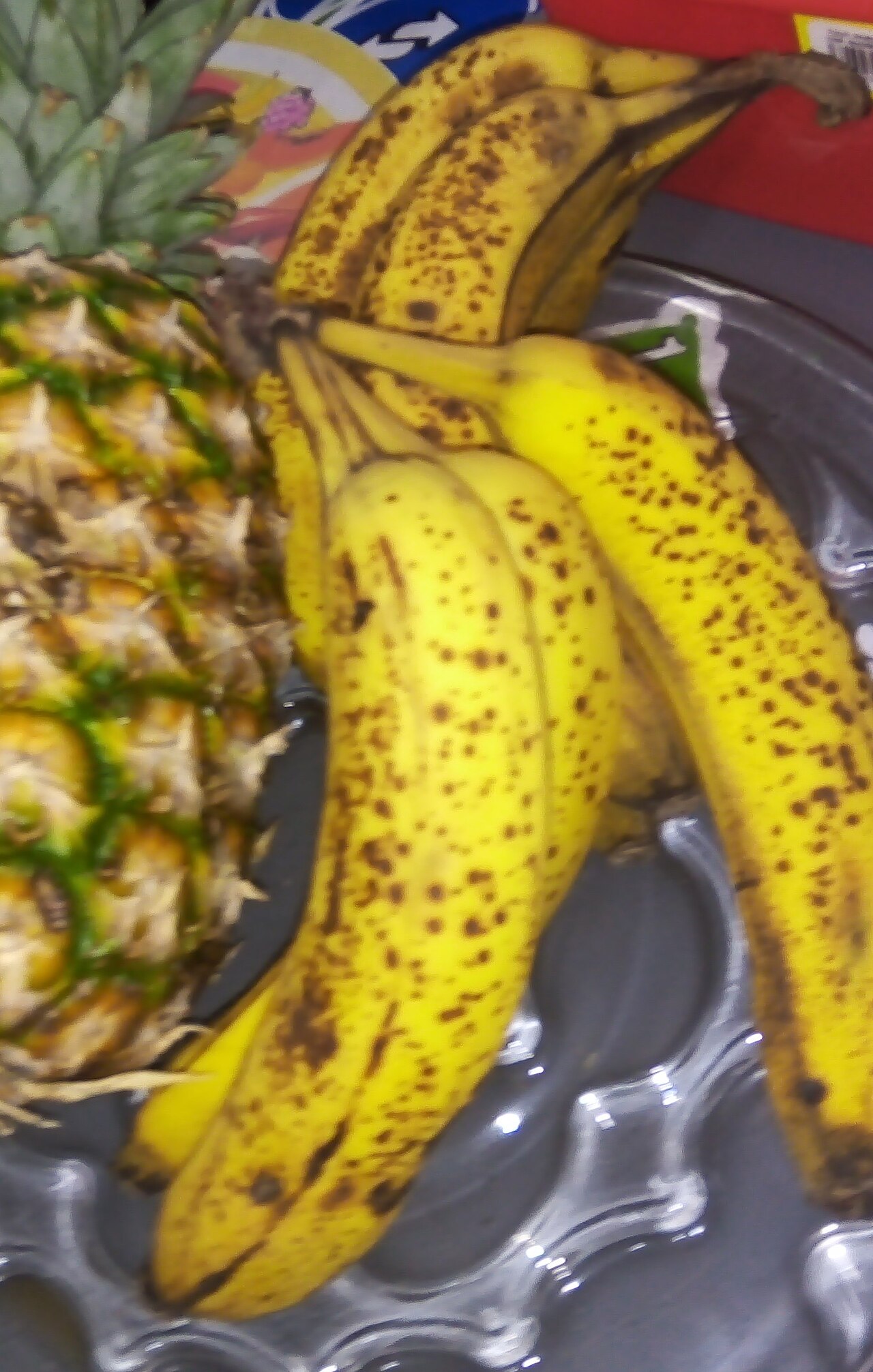
Bananas continue to ripen after harvest. Ethylene, a natural plant hormone, helps coordinate changes in texture, aroma and the breakdown of starch into sugars. As the fruit ages, the yellow peel often gains brown freckles and larger dark patches. This is usually a visible sign of progressing ripeness, not evidence that the fruit was injected with anything unusual. Banana varieties differ in skin patterns and sweetness, so a single color scale cannot predict exactly how every banana will taste. Use appearance, smell and texture together.
Why ripe bananas taste sweeter and softer
During ripening, enzymes convert much of the fruit's stored starch into simpler sugars, giving a ripe banana its sweeter flavor. Cell-wall changes make the flesh softer and easier to mash. UC Davis explains that ethylene stimulates coordinated ripening in commercially harvested mature-green bananas. The shift is gradual rather than a switch at the first brown spot. A yellow banana with a few freckles may be ideal for eating immediately, whereas a very soft banana can be useful in baking after checking that it is otherwise sound.
Is a brown peel the same as spoilage?
No. A spotted skin can cover normal, sweet, edible banana flesh. But bruising, cold injury and microbial decay can also produce dark areas, so peel color alone is not a reliable safety check. Reject fruit with visible mold, a rotten or fermented odor, leaking liquid or flesh that is unusually slimy or discolored. Cut away ordinary small bruises only when the rest of the fruit is in good condition; do not assume that heating or baking makes moldy fruit safe. When storage conditions are unknown, caution is sensible.
How refrigerator temperatures change banana color
Bananas are tropical fruits and can suffer chilling injury at temperatures normally found in a home refrigerator, especially while still green. UC Davis lists peel discoloration and abnormal ripening among effects of excessive cold. A banana put in the fridge may develop a dark peel even when the inner flesh has not ripened in the usual way. Refrigeration of already ripe bananas can sometimes slow further softening, but the peel may darken markedly. Decide based on desired use, fruit ripeness and visible spoilage, not the expectation that a chilled peel stays yellow.
Store bananas to control how quickly they ripen
If you want green bananas to ripen, keep them in a coolish room-temperature place away from direct sunlight or a radiator. If you want to slow ripening, avoid hot kitchens and unnecessary bruising. Apples and other ethylene-producing fruits can increase ripening exposure in a closed bag, so keep bananas separated if you want more time. A paper bag may speed ripening but also traps moisture; inspect fruit regularly. Wash hands and food-preparation surfaces as usual, and do not store peeled bananas uncovered where they can collect contaminants.
What to do with overripe but sound bananas
If the fruit has no mold, unpleasant odor or signs of decay, soft ripe bananas can become pancakes, smoothies, oatmeal or banana bread. You can peel and freeze usable portions for later cooking, labeling the container with the date. Freezing is for preserving food that is already safe, not rescuing rotten fruit. Do not rely on a viral trick that promises to turn brown bananas permanently yellow again. For other food-science topics, MURDILIMAX covers /guides/freezer-food-storage/ and /guides/refrigerator-food-safety/.
A general educational overview, not a substitute for professional guidance. Check current local rules and trusted primary sources before making consequential decisions.
Share this article