The first action is an emergency call
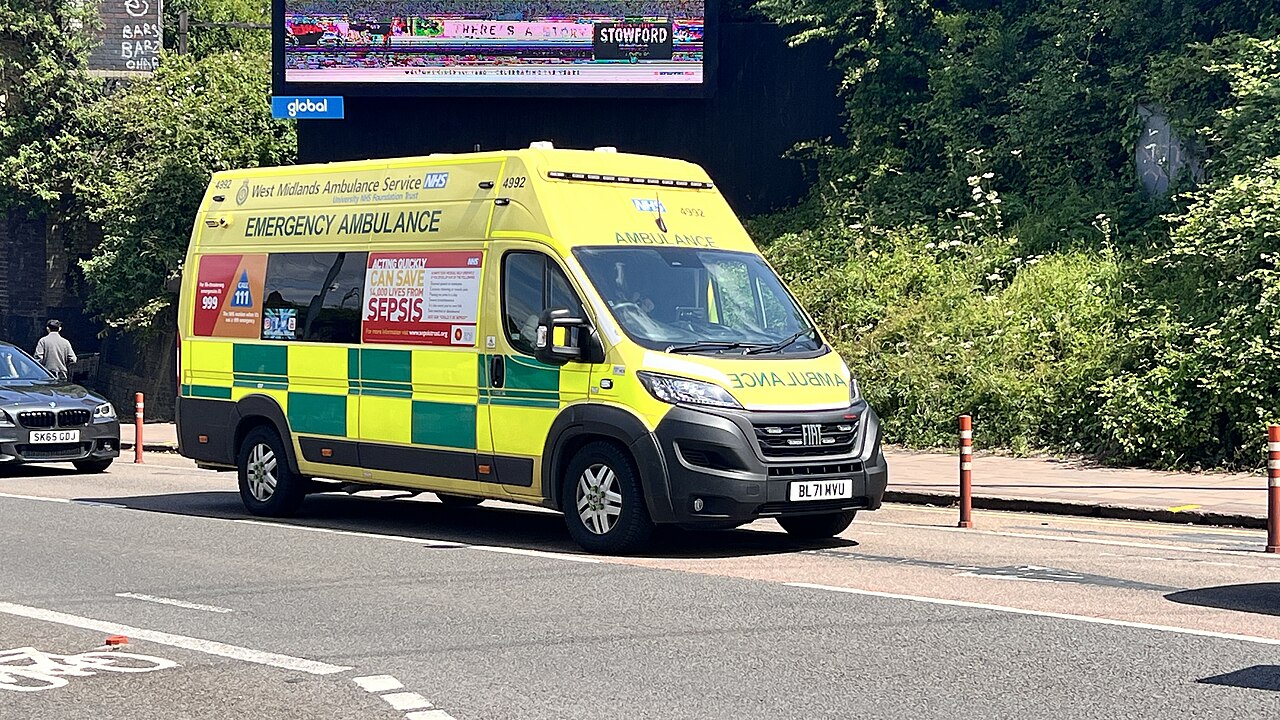
If someone suddenly develops symptoms that could be a stroke, call the local emergency medical number immediately. Do not wait for the signs to become dramatic or for a family member to arrive. Time-critical treatment is available for some patients, but doctors must first determine the cause and suitability. Tell the dispatcher exactly what changed and follow their instructions. Do not drive the person yourself if ambulance services are accessible, because responders can start assessing and coordinating care before arrival. This article is a preparation guide, not a way to diagnose a stroke at home.
Use BE FAST to remember the warning signs
B means a sudden loss of balance or coordination; E means sudden trouble seeing in one or both eyes. F is facial droop: ask the person to smile and look for one side falling. A stands for arms: ask them to raise both arms and notice whether one drifts. S means speech: unusual slurring, difficulty finding words or trouble understanding others. T means time to contact emergency services at once. Not every stroke causes every sign, and a sudden severe headache with no known cause can also be an important warning.
Write down when the person was last well
The ambulance team may ask when the symptoms began or when the person was last definitely normal. If you witnessed the change, note the clock time. If the person woke up with symptoms, do not simply say the stroke started on waking; explain when they were last known well. Tell responders about blood-thinning medicines, major conditions and any changes in consciousness when those details are available. Do not delay the emergency call to find medical documents. The correct onset time may influence which investigations and treatments doctors consider.
What not to give while you are waiting
Do not offer food, drink, pills or aspirin to someone with possible stroke symptoms. Swallowing can be impaired, and some strokes are caused by bleeding rather than a blocked vessel; aspirin could increase harm. Do not try to lower their blood pressure rapidly using someone else's medicine. Keep the person in a safe, supported position according to dispatcher advice, stay with them and observe breathing and responsiveness. If they become unresponsive and are not breathing normally, follow the emergency operator's directions for CPR and use an AED when instructed and available.
Symptoms that disappear still need an urgent assessment
A transient ischaemic attack, sometimes called a mini-stroke, can produce stroke-like weakness, speech problems or visual changes that resolve after minutes. Improvement does not mean the danger has passed: transient symptoms can signal a serious short-term risk of a full stroke. Seek emergency medical assessment even if the person says they feel normal again. Do not try to diagnose a TIA from a quick online quiz. Tell clinicians what symptoms appeared, how long they lasted and whether similar episodes have occurred before.
Prepare a practical household emergency plan
Learn your local ambulance number before anything happens; numbers such as 112, 911 and 999 apply in different places, not everywhere. Make sure family members know the basic BE FAST signs and the household address. Keep a current list of prescribed medicines accessible without delaying urgent care. If someone has known stroke risk factors, routine medical follow-up, smoking cessation and blood-pressure management can reduce risk, but none of these substitutes for immediate action during new symptoms. The key message is simple: sudden neurological change is an emergency, even when it initially looks mild.
For health, poisoning or safety concerns, do not rely on this page to diagnose or assess an emergency. Contact qualified local services promptly when needed.
Share this article