Recognise a severe allergic reaction quickly
Anaphylaxis is a potentially life-threatening reaction that may develop rapidly after exposure to a food, insect sting, medication or another trigger. Warning signs include difficult or noisy breathing, tongue or throat swelling, persistent coughing or wheezing, a hoarse voice, severe dizziness or collapse. Young children may become pale, limp or unusually unresponsive. Some people develop skin rash or hives, but anaphylaxis can also occur without a rash. Severe abdominal pain or vomiting can be significant, especially with insect allergy. Do not wait for every symptom to appear before acting.
Use a prescribed adrenaline auto-injector without delay
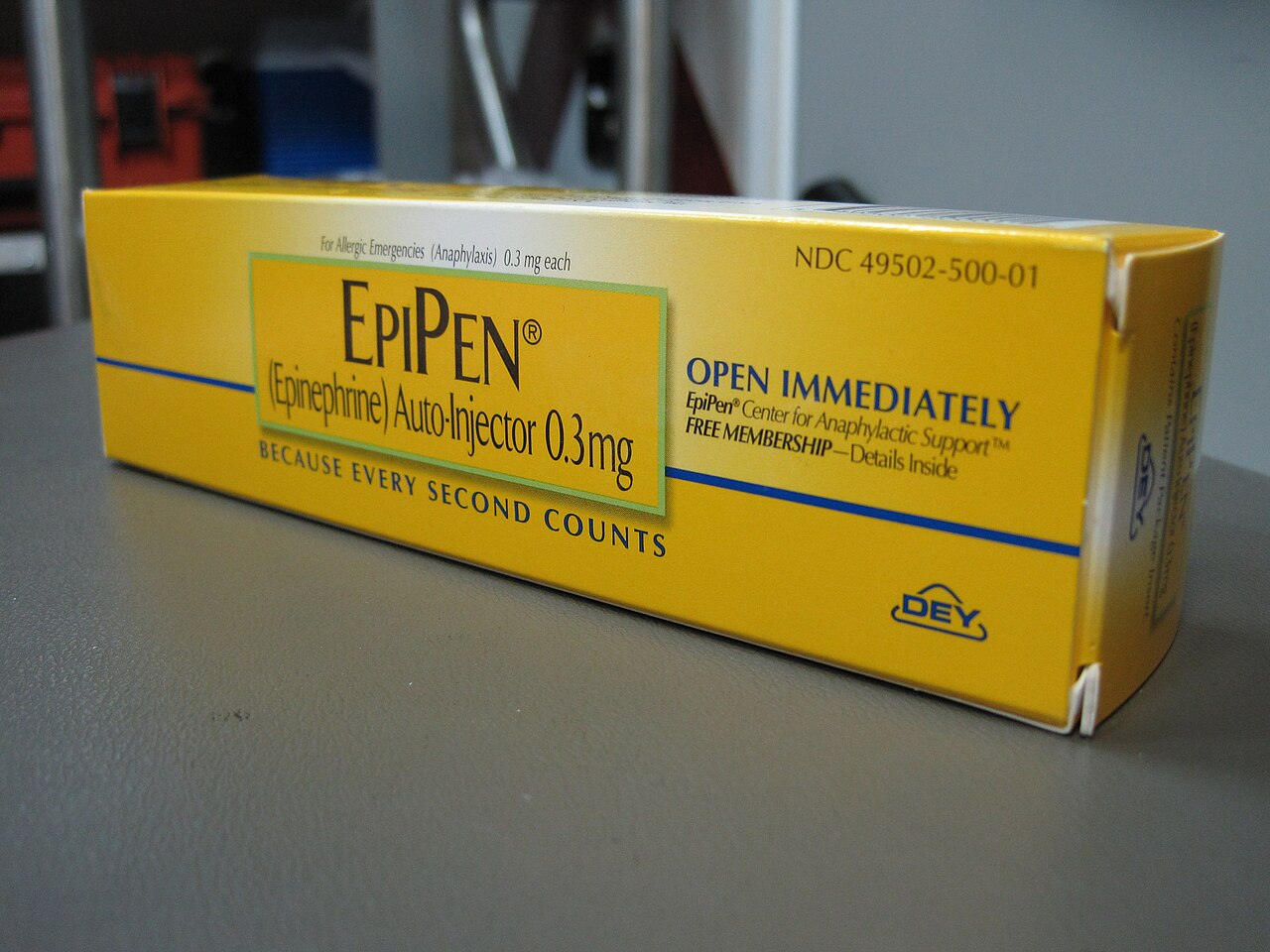
If anaphylaxis is suspected and an appropriate adrenaline (epinephrine) auto-injector is available, use it promptly according to the person's emergency action plan and the device's instructions. It is the first-line treatment for anaphylaxis. Different devices have different activation steps, so follow the directions printed on the specific injector; injections are generally given to the outer mid-thigh. If the patient is prescribed an injector, learn its use in advance. Do not delay first-line treatment while searching online, and do not substitute antihistamines or inhalers for adrenaline in a severe reaction.
Call emergency services and stay with the person
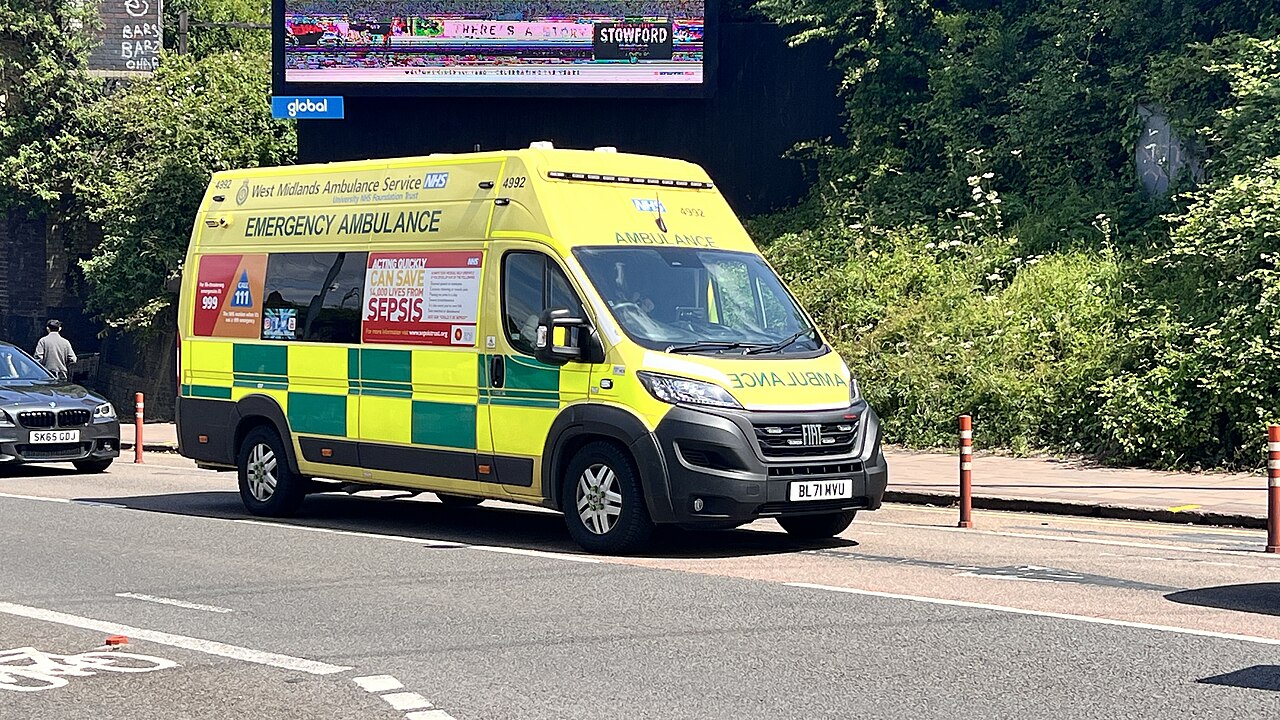
Call the local emergency ambulance number immediately after administering the first auto-injector, or ask someone else to make the call while you help. Tell the dispatcher that you suspect anaphylaxis and whether adrenaline has been given. Stay with the person and watch breathing, speech and responsiveness. If symptoms persist and the emergency plan or dispatcher advises it, another auto-injector may be used after about five minutes when one is available. The person needs hospital assessment even if they seem to improve because symptoms can return or progress.
Positioning matters: do not let them stand or walk
ASCIA advises laying the person flat rather than allowing them to stand or walk, including after an injection. If breathing is difficult, they may sit with legs outstretched while closely monitored; do not have them suddenly stand. An unconscious person who is breathing should be placed in a safe recovery position; a pregnant person should generally be positioned on their left side. Hold small children flat rather than upright over a shoulder. If a person becomes unresponsive and stops breathing normally, follow dispatcher directions to begin CPR.
Why mild allergy medicines are not enough
Antihistamines can relieve some itchy skin symptoms but do not adequately treat dangerous airway swelling or circulatory collapse. A blue asthma reliever inhaler also does not replace adrenaline for anaphylaxis. Avoid giving food or drink to someone with impaired swallowing or serious breathing difficulty. If the trigger is still present and can be removed safely, do so without delaying treatment. Never try an internet 'desensitisation remedy' or wait for a rash to develop. When in doubt, promptly seek expert emergency help and follow the person's established medical plan.
Make a prevention plan before the next exposure
People with diagnosed severe allergies should review an individual action plan with an allergy specialist, check auto-injector expiry dates and teach close contacts how to use their exact device. Identify possible triggers and read relevant food or medication labels, but remember that complete avoidance is not always possible. A second appropriate device may be recommended for some individuals depending on local guidance. Schools, workplaces and travel companions can keep clear emergency contact details and know local ambulance numbers. This guide teaches recognition and response, not personalised diagnosis or prescription.
For health, poisoning or safety concerns, do not rely on this page to diagnose or assess an emergency. Contact qualified local services promptly when needed.
Share this article