Call emergency services before trying home remedies
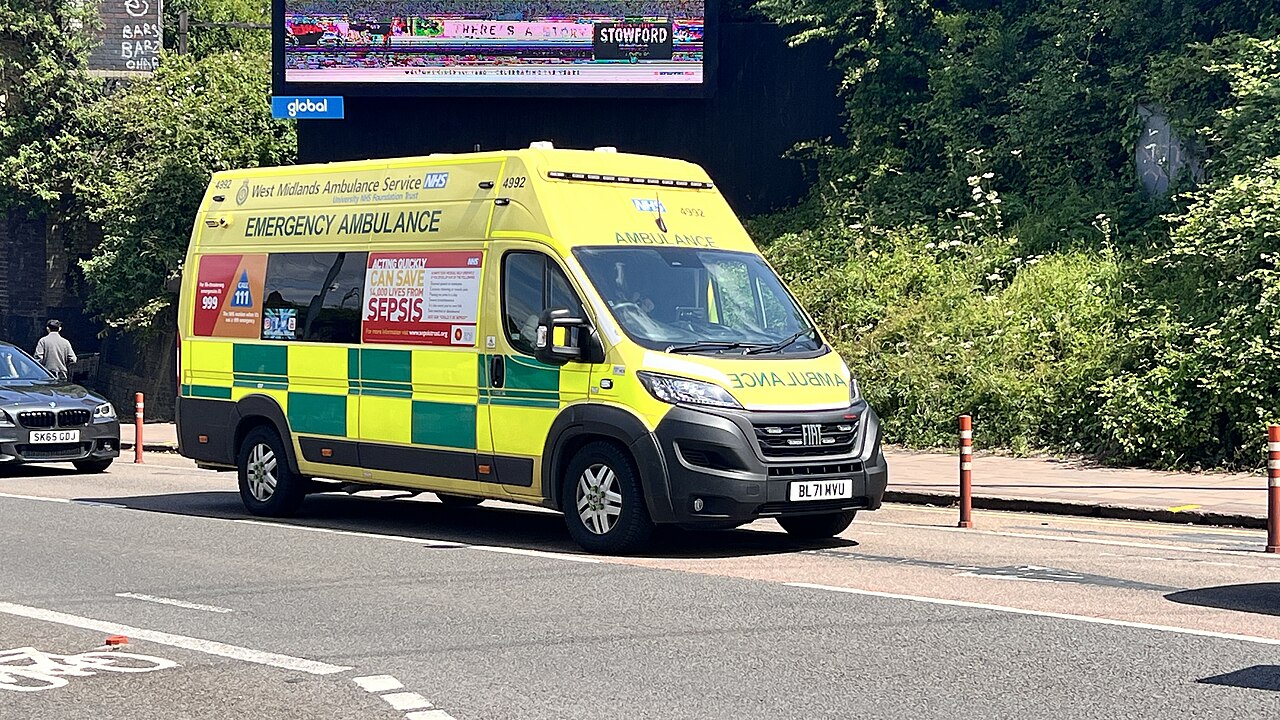
If chest discomfort or other symptoms make you suspect a heart attack, call the local ambulance number immediately. Do not wait to see whether the pain goes away, and do not drive yourself to a hospital when emergency transport is available. Tell the dispatcher the symptoms, the person's location and when the episode began. Some heart attacks start with mild discomfort rather than dramatic collapse, but early treatment can protect heart muscle. Internet checklists cannot determine whether chest pain is a heart attack, a lung condition or another life-threatening emergency.
Recognise more than a dramatic chest pain
Many people describe pressure, squeezing, heaviness or discomfort in the centre of the chest lasting several minutes or recurring. Pain may spread to one or both arms, the back, neck, jaw or upper stomach. Shortness of breath can happen with or without chest discomfort. Cold sweating, nausea, dizziness or unusual fatigue are other potential clues. Not everyone experiences the same pattern, and some people have few obvious chest symptoms. Atypical or less intense symptoms do not prove a harmless cause, especially if they are new, unexplained or worsening.
Help the person rest and make the scene safe
Stop exertion and help the person sit or rest comfortably while awaiting the ambulance, unless the dispatcher advises differently. Loosen tight clothing if that helps and keep the area accessible to responders. Do not let a worried person walk around to 'test' whether they feel better. Gather medication information only if it can be done without delaying the call. If someone collapses, check responsiveness and normal breathing. When they are unresponsive and not breathing normally, follow emergency-dispatch instructions for CPR and an automated external defibrillator if one is available.
Why aspirin is not a universal first step
Do not take aspirin and then wait to see whether the discomfort improves; the American Heart Association says to contact emergency services first. A dispatcher may suggest aspirin after checking for allergy or conditions that make it unsafe, or a medical team may provide it. Do not give a dose based on a social-media post or use medication prescribed for somebody else. Also, chest discomfort with a suspected stroke or other bleeding condition complicates decisions. Medications and treatment should follow qualified advice tailored to the individual situation.
What to tell the ambulance and clinicians
State the start time and describe the sensation rather than simply saying 'heart pain.' Mention shortness of breath, fainting, sweating, nausea and whether symptoms radiate elsewhere. Where possible, provide a list of current medicines, allergies and relevant health problems such as known heart disease. Do not delay the ambulance for a smartwatch recording or home blood-pressure test; normal-looking values do not rule out a heart attack. Tell the team if the symptoms eased and returned. Be honest about all symptoms instead of choosing the ones that resemble familiar pictures.
Prepare now, not during a crisis
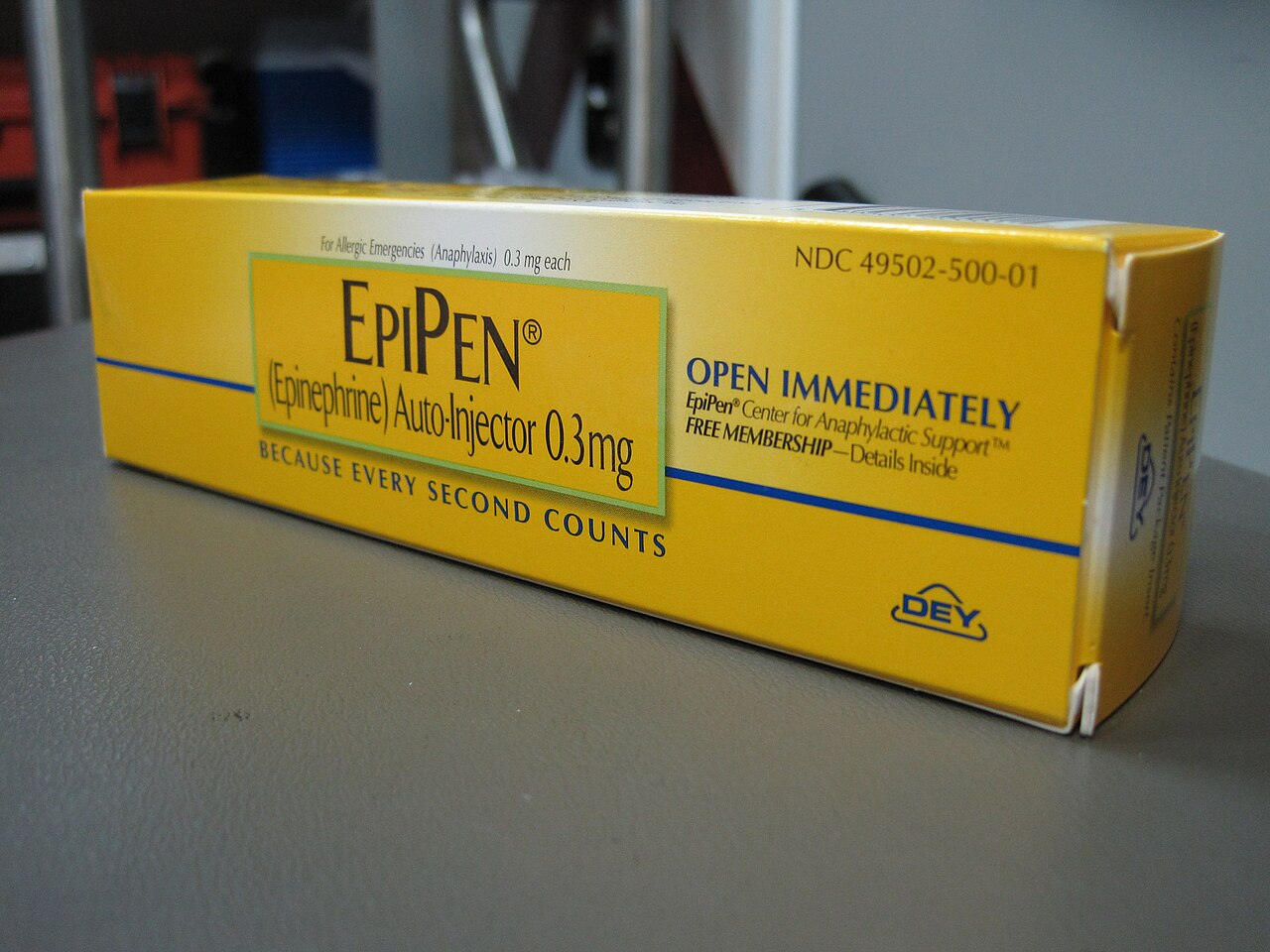
Know the local emergency number and the building's accessible entrance. Keep an updated medicine list and discuss cardiovascular risks with a clinician during routine appointments. If you have been prescribed emergency medication for a known heart condition, ask your clinician in advance exactly when and how to use it. Lifestyle steps such as not smoking, movement and treatment of blood pressure matter for prevention, but cannot replace urgent medical assessment during new severe symptoms. The most useful lesson is that uncertain but concerning symptoms deserve immediate professional attention.
For health, poisoning or safety concerns, do not rely on this page to diagnose or assess an emergency. Contact qualified local services promptly when needed.
Share this article