Refrigerate fresh mushrooms as soon as possible
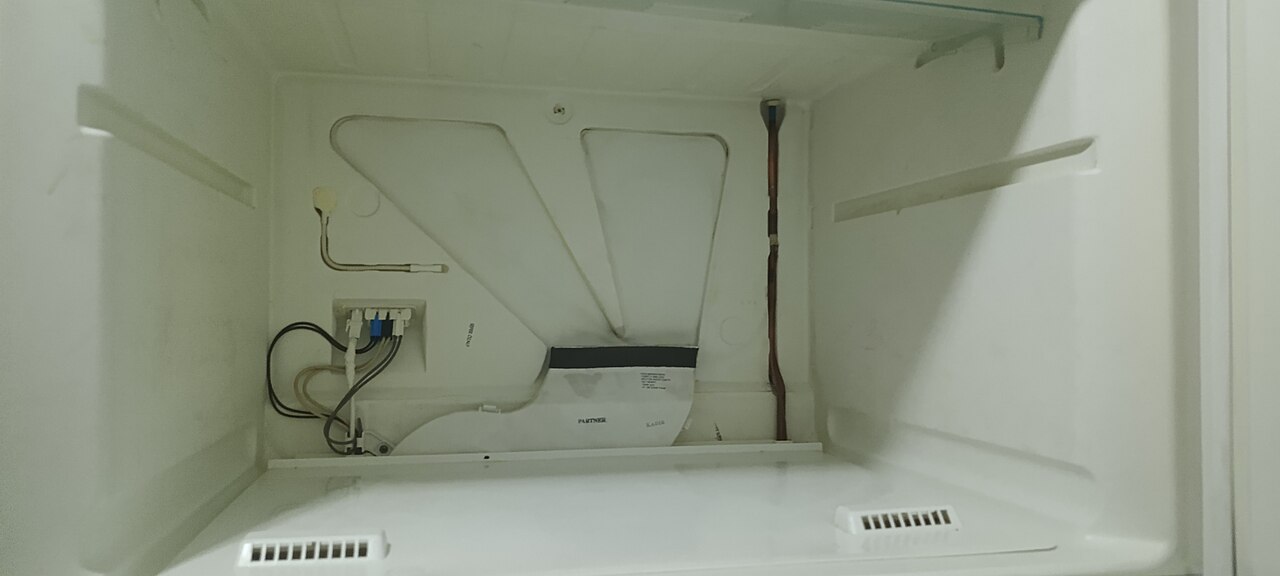
FDA advises storing perishable produce such as mushrooms in a clean refrigerator at 4°C (40°F) or colder. Keep your cultivated store-bought mushrooms refrigerated soon after shopping instead of leaving a bag on a hot countertop. Put them on a clean shelf away from raw meat, poultry and seafood where drips could contaminate them. A refrigerator thermometer is more reliable than guessing from the numbered dial. The goal is to protect a fresh food, not to prolong its shelf life indefinitely through packaging tricks.
Choose packaging that controls moisture
The Mushroom Council recommends the original retail container or a porous paper bag, depending on how the mushrooms were sold. Packaging should prevent crushing while allowing unwanted moisture to escape. A tightly sealed ordinary plastic bag can trap condensation, leading to slimy surfaces and faster deterioration. On the other hand, leaving loose mushrooms exposed to dry refrigerator air may dry them out. Use clean paper or their original breathable packaging, and do not put heavy vegetables on top of delicate mushroom caps.
Do not wash them before storing
Mushrooms can absorb surface water and become discolored or wet if cleaned long before use. Mushroom Council advice is to brush off visible debris or rinse them briefly under running cool water just before preparation, then pat dry. Do not leave them soaking in a bowl. Wash your hands, cutting boards and utensils first, and keep the mushrooms away from raw meats and dirty surfaces. The FDA also advises avoiding soap or commercial produce wash for fruits and vegetables because these substances are not intended to be absorbed by food.
How many days do fresh mushrooms last?
Shelf life depends on purchase freshness, refrigerator temperature, handling and the type of mushroom. The Mushroom Council says some cultivated varieties may last up to about one week under good home refrigerator conditions; Penn State Extension uses an even shorter conservative recommendation for some storage situations. Therefore, a printed date is not a guarantee and a fixed seven-day rule is unsafe. Inspect the mushrooms whenever you use them and prioritize cooking the most perishable produce first.
Recognize slime, mold, odor and damaged mushrooms
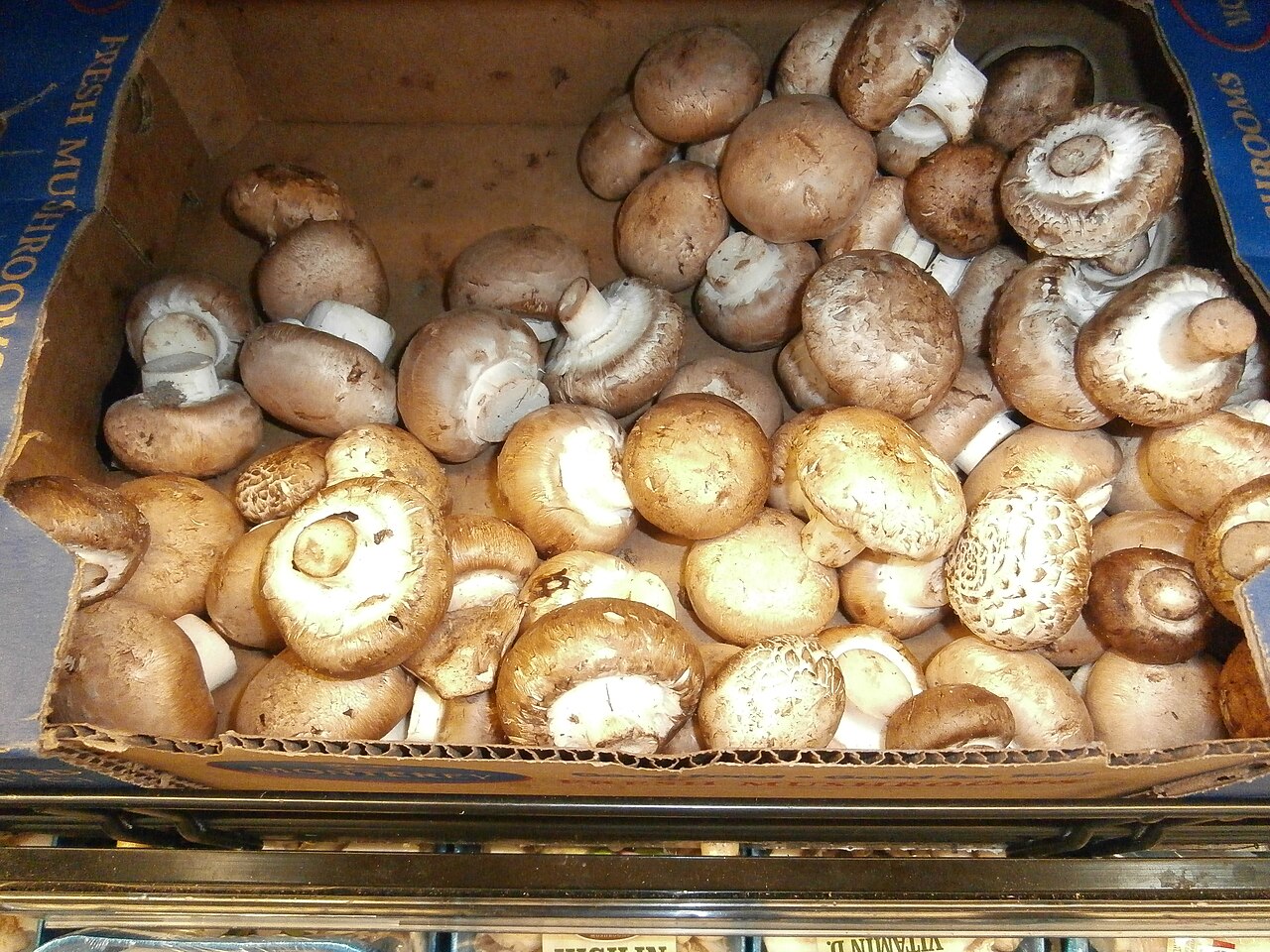
Good fresh mushrooms commonly look firm and relatively smooth. Avoid slimy surfaces, extensive soft areas, visible mold, a rotten or sour odor and obvious decay. Some browning can occur from normal bruising, but dark discoloration accompanied by sliminess or an unpleasant smell is a stronger warning. When in doubt, discard rather than tasting suspicious produce. Cooking is not a reliable way to restore food that has visibly spoiled. Wash all produce properly, but remember that washing alone cannot eliminate every microorganism.
Freezing, leftovers and the wild-mushroom warning
If you have too many fresh mushrooms, cooking them before freezing is often preferable to freezing them raw for texture and quality. Freeze cooked portions promptly in suitable containers and label them with a date. This guide is for cultivated mushrooms purchased from a reputable retailer, not for identifying edible mushrooms found outdoors. Many poisonous wild species resemble edible ones, and neither internet photos nor cooking reliably neutralize their toxins. Related MURDILIMAX reading includes /guides/refrigerator-food-safety/ and /guides/freezer-food-storage/.
A general educational overview, not a substitute for professional guidance. Check current local rules and trusted primary sources before making consequential decisions.
Share this article