Cover sleeping areas and floors
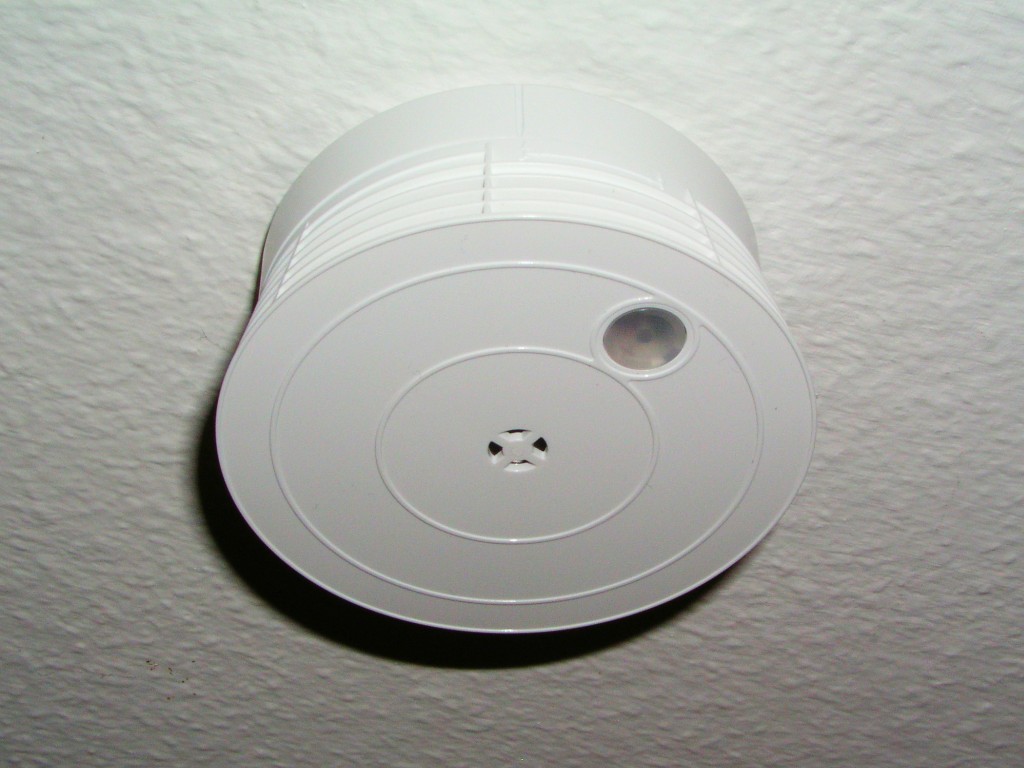
The US Fire Administration advises smoke alarms inside each bedroom, outside separate sleeping areas and on each level of a dwelling, including basements. Building codes vary by country, so also check local fire-safety requirements. Interconnected alarms help warn people elsewhere in the home.
Test regularly and check dates
Test smoke alarms according to the manufacturer's directions, commonly about once a month. Replace batteries as specified and replace entire devices at the end of their rated service life; the USFA generally recommends a ten-year replacement interval from manufacture.
Smoke alarms do not detect every hazard
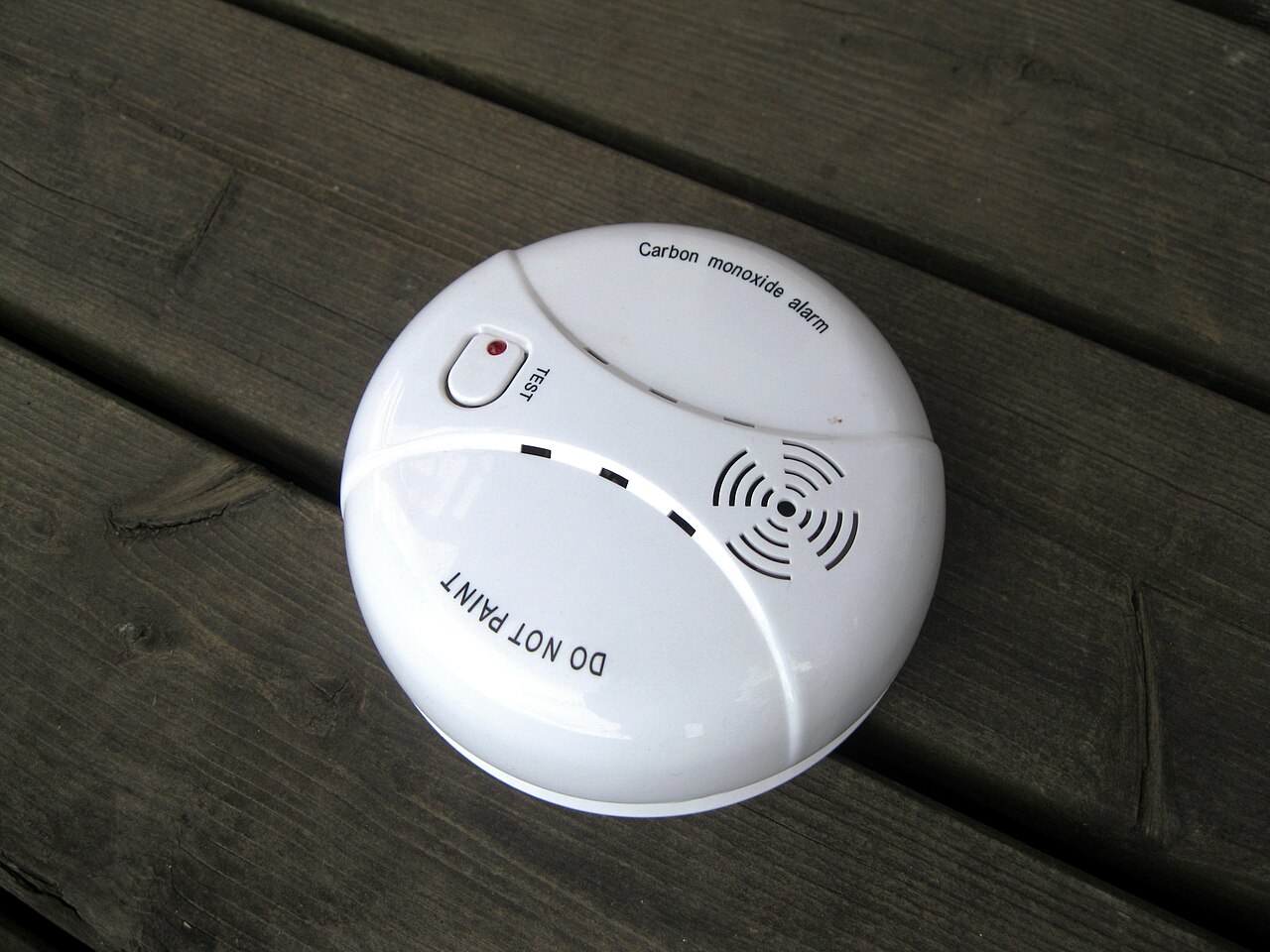
Carbon-monoxide detectors have a different role and may be needed where combustion equipment operates. Never disconnect a smoke alarm because cooking sets it off repeatedly; instead, check correct placement and suitable alarm type with qualified guidance.
Plan an escape route together
Agree on safe exits and an outdoor meeting point before an emergency. When an alarm sounds and a fire is suspected, leave promptly and call the local emergency service from a safe place. Avoid going back inside for valuables or pets if it would put people at risk.
A general educational overview, not a substitute for professional guidance. Check current local rules and trusted primary sources before making consequential decisions.
Share this article