Start with a way for moisture to leave
Spin garments using an allowed setting, hang them with space between items, and remove moisture through ventilation or a suitable dehumidifier. Heating the room alone is not the whole solution. Water leaving the fabric enters the air and may collect on cold surfaces. Repeatedly wet windows and slow drying are reasons to review the process, not simply turn up the heating. Try one load and observe the room.
Prepare the load before hanging it
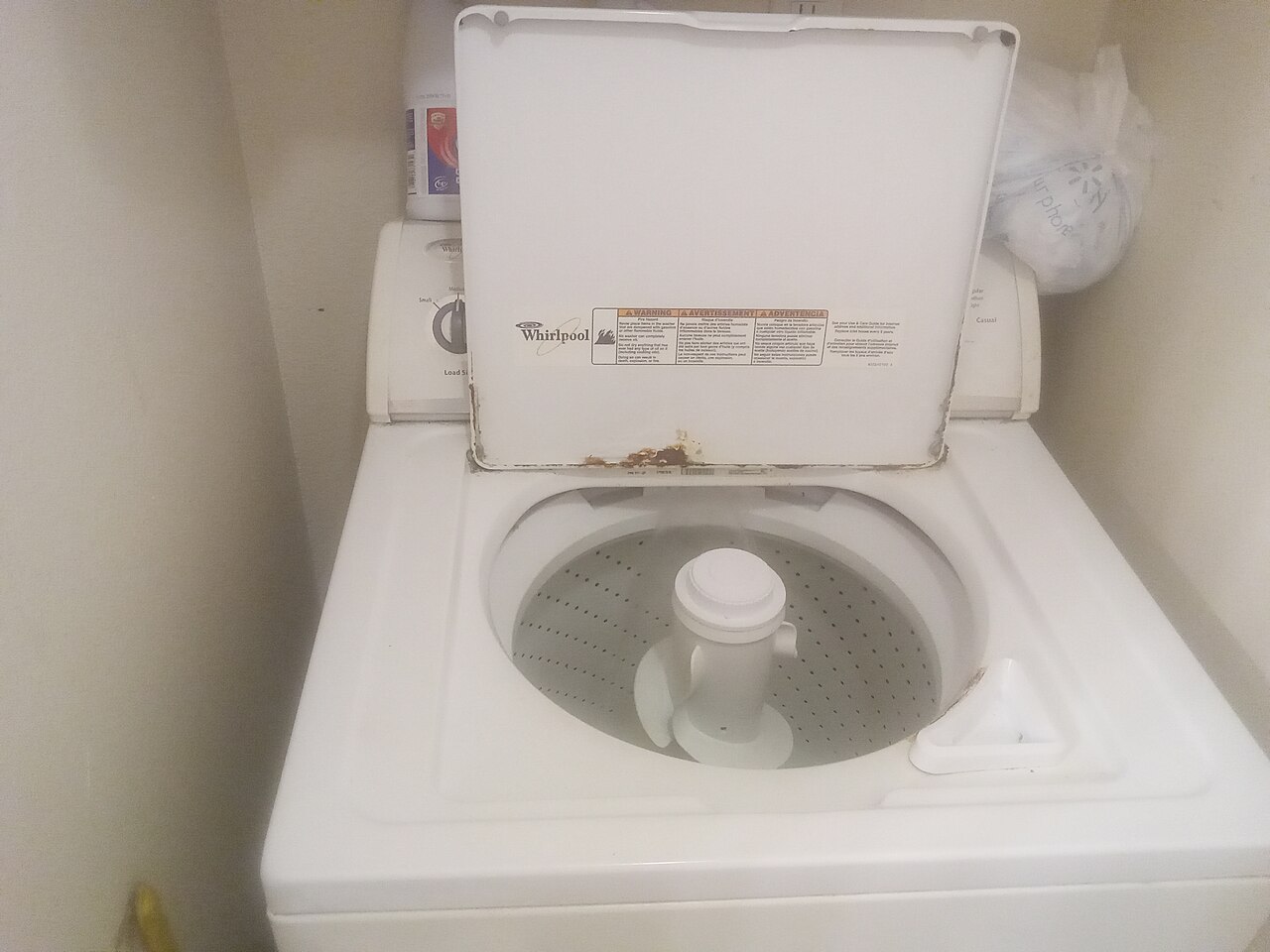
Check care labels and permitted spin settings: maximum speed is not suitable for every fabric. Where allowed, an extra spin reduces the water that must later evaporate. Unload the machine promptly, shake items out and unfold creases. Separate thick towels and jeans from lighter clothing so they do not crowd the rack. Dry delicate garments in the position required by their labels, rather than assuming everything can be hung.
Give air access to the fabric
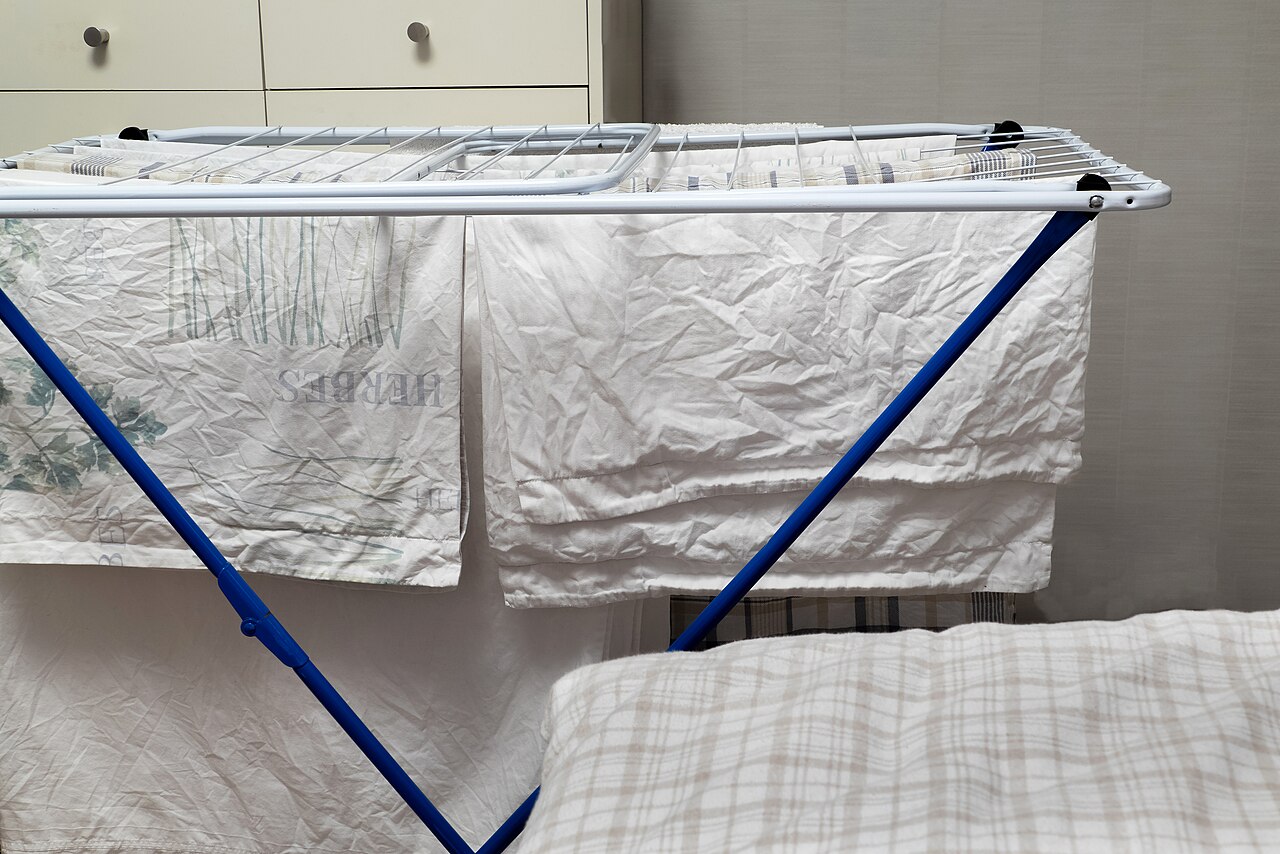
Avoid placing several wet layers over the same rail. Leave gaps and arrange large pieces so damp surfaces are not pressed together. Split an overloaded rack into smaller batches instead of squeezing everything into one drying session. Choose a place with air circulation and a practical ventilation option, keeping walkways clear. Check pockets and thick seams separately: a dry thin panel does not show that the entire garment is ready.
Ventilate without blocking existing vents
Do not seal ventilation openings to retain warmth. Energy Saving Trust advises extra ventilation when clothes dry indoors; brief window opening several times a day supports air exchange. Adapt this to weather, child safety and the home’s ventilation system. Moving damp air into an adjacent cold room is not a complete solution. If condensation keeps returning, compare hygrometer readings before washing and during drying, and check that extraction is working.
Use a dehumidifier as instructed
Follow the appliance instructions for temperature, clearance and drainage. Normally keep the treated room’s windows and doors closed while dehumidifying, rather than continually admitting more air; ventilate separately. Keep the appliance away from dripping laundry and leave its air openings clear. Empty the tank or check the drain connection. A dehumidifier removes water from air, but it cannot repair a leak, faulty ventilation or another continuing source of damp.
Avoid heaters and check before storage
Never cover a portable heater with clothes or use it as a drying rack: fire services explicitly warn against this. A purpose-built heated airer is a different appliance with its own instructions. There is no universal two-hour drying time; fabric, spin and conditions all matter. Before storage, check waistbands, cuffs and folded inner areas. Damp that persists when no laundry is drying needs its own investigation rather than endless extra heat.
A general educational overview, not a substitute for professional guidance. Check current local rules and trusted primary sources before making consequential decisions.
Share this article