Confirm the correct carousel and airline first
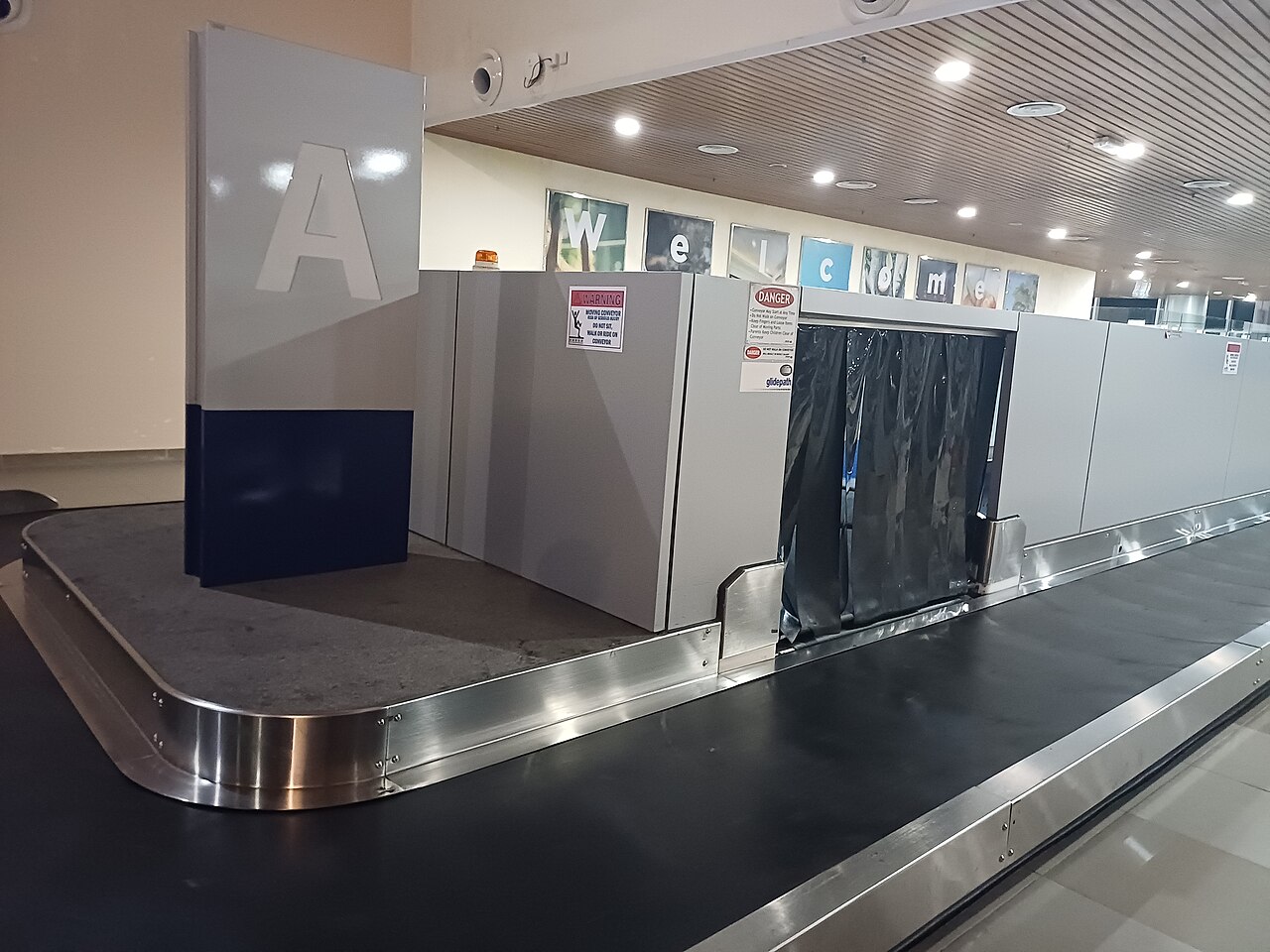
Look at the airport display for your flight number, the assigned baggage carousel and possible changes. A connecting itinerary can involve more than one airline, and the final operating carrier's procedure may differ from the ticket seller's. Check whether unusually large items or sports equipment are delivered to a separate oversized-baggage area. If the belt has stopped and your suitcase has not arrived, proceed to the airline's baggage service desk before leaving the controlled area. Keep your boarding pass and checked-bag tag, including the barcode or tag number.
File a baggage irregularity report immediately
Ask the airline or its baggage-handling agent to register the missing checked bag and issue a Property Irregularity Report, often called a PIR, or an equivalent traceable reference. Record the reference number, telephone contact, official tracking page and the name of the carrier handling your case. Describe the suitcase's color, size, brand and distinctive features; photos can help. Do not rely solely on a conversation with an airport employee or an unrecorded promise. Save a copy of your report and any emails before leaving.
Provide delivery details and track progress
Give the airline a reliable address and telephone number where the bag can be delivered, especially if you are moving between hotels. Ask how to update those details and whether any customs or identity procedure is required. Use the carrier's official tracking service rather than paying a random third-party website promising to recover luggage. Check your email and case reference periodically, but avoid repeatedly opening new cases for the same bag. If an airline confirms the bag was placed on a later flight, ask how delivery and handover will be arranged.
Keep receipts for essential replacement purchases
If you are away from home and need basic clothing, toiletries or another reasonable necessity while the bag is delayed, keep itemized receipts and check the airline's published policy. The US DOT explains that passenger rights vary by domestic versus international travel and applicable conditions. Under European passenger-rights guidance, airlines can be liable for lost or delayed checked baggage, but reimbursement is not necessarily automatic or unlimited. Expensive luxury replacement items may not be considered reasonable, and claims often need proof of the actual expenditure.
Submit the written claim within the applicable deadline
An initial PIR is useful for tracing, but follow the airline's written claims procedure as well. The European Commission's Your Europe guidance describes a 21-day window for making a written delayed-baggage claim after the luggage is received and different rules for damaged baggage. International treaties, national law and the route can change the applicable deadlines and liability limits, so verify the current rules for your flight rather than relying on one internet amount. Retain copies of your boarding pass, baggage tag, PIR, receipts and correspondence.
What if the bag is never found?
When luggage remains missing beyond the applicable tracing period, or the airline confirms it is lost, ask how to start a formal lost-baggage compensation claim. Prepare an itemized, realistic list of the contents and evidence of value when available. Do not inflate the claim, and check whether your travel-insurance policy provides additional cover subject to its terms. A payment limit is usually not a guaranteed amount; the applicable convention and actual proven loss matter. Related MURDILIMAX travel guides include /guides/offline-maps-without-internet/ and /guides/phone-charging-slowly-checklist/.
A general educational overview, not a substitute for professional guidance. Check current local rules and trusted primary sources before making consequential decisions.
Share this article