Start with a regular schedule
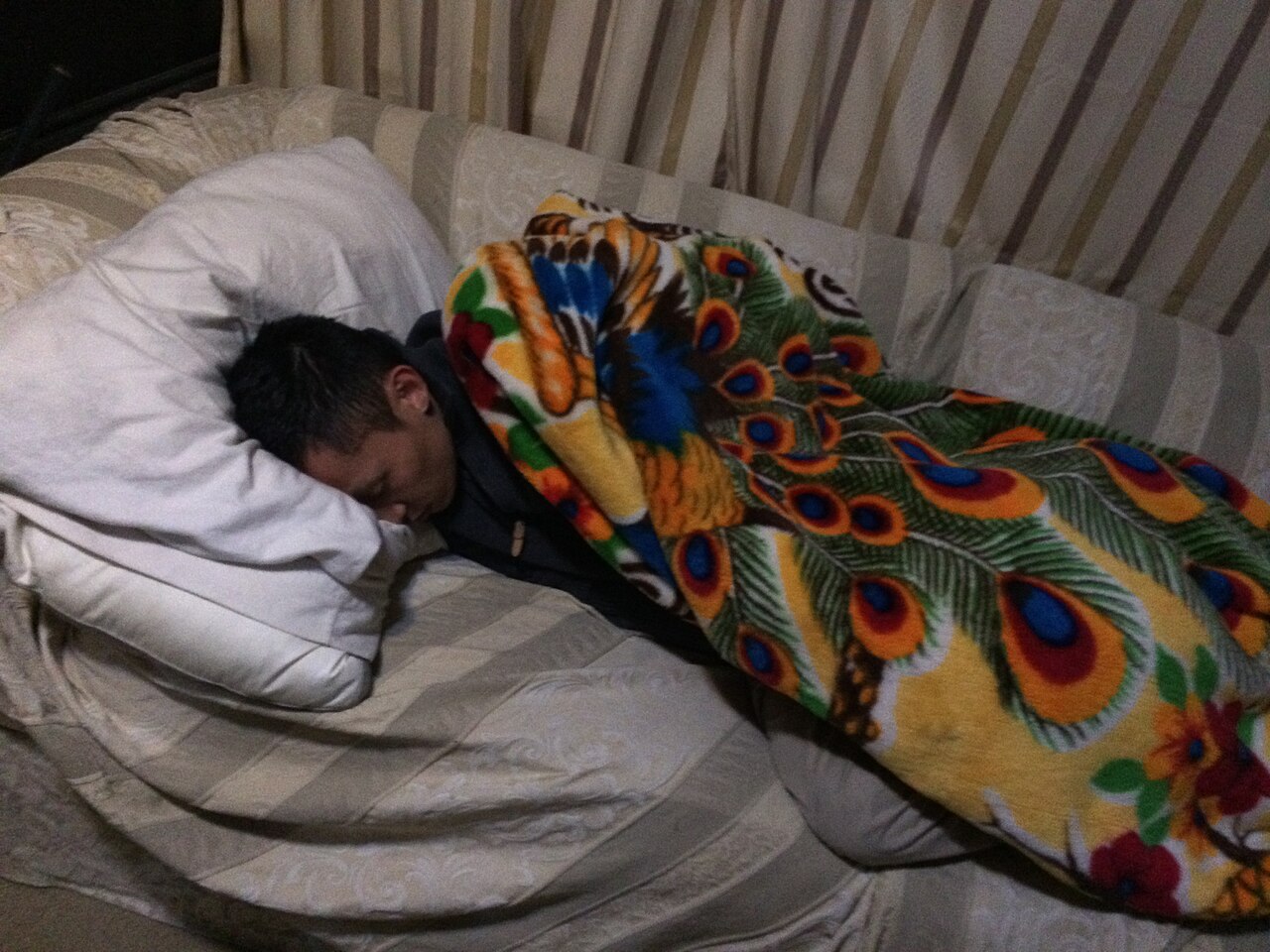
Your body responds to stable sleep and wake times. Try to keep them reasonably consistent, including weekends. Adults aged 18–60 generally need at least seven hours, though individual circumstances and needs differ.
Make the room more sleep-friendly
A quiet, relaxing and relatively cool bedroom can support sleep. Reduce bright screens before bedtime and consider curtains or earplugs when light and noise are disruptive. There is no single miracle temperature that works for everyone.
Watch caffeine, meals and alcohol
Caffeine late in the day, very large meals and alcohol near bedtime can disrupt restful sleep. Regular activity during the day helps many people, but strenuous exercise immediately before sleep may be uncomfortable for some.
Notice persistent problems
Regular difficulty sleeping, loud snoring with breathing pauses or severe daytime sleepiness warrant medical discussion. Internet sleep tips are not a substitute for evaluating sleep apnea or another health condition.
For health, poisoning or safety concerns, do not rely on this page to diagnose or assess an emergency. Contact qualified local services promptly when needed.
Share this article