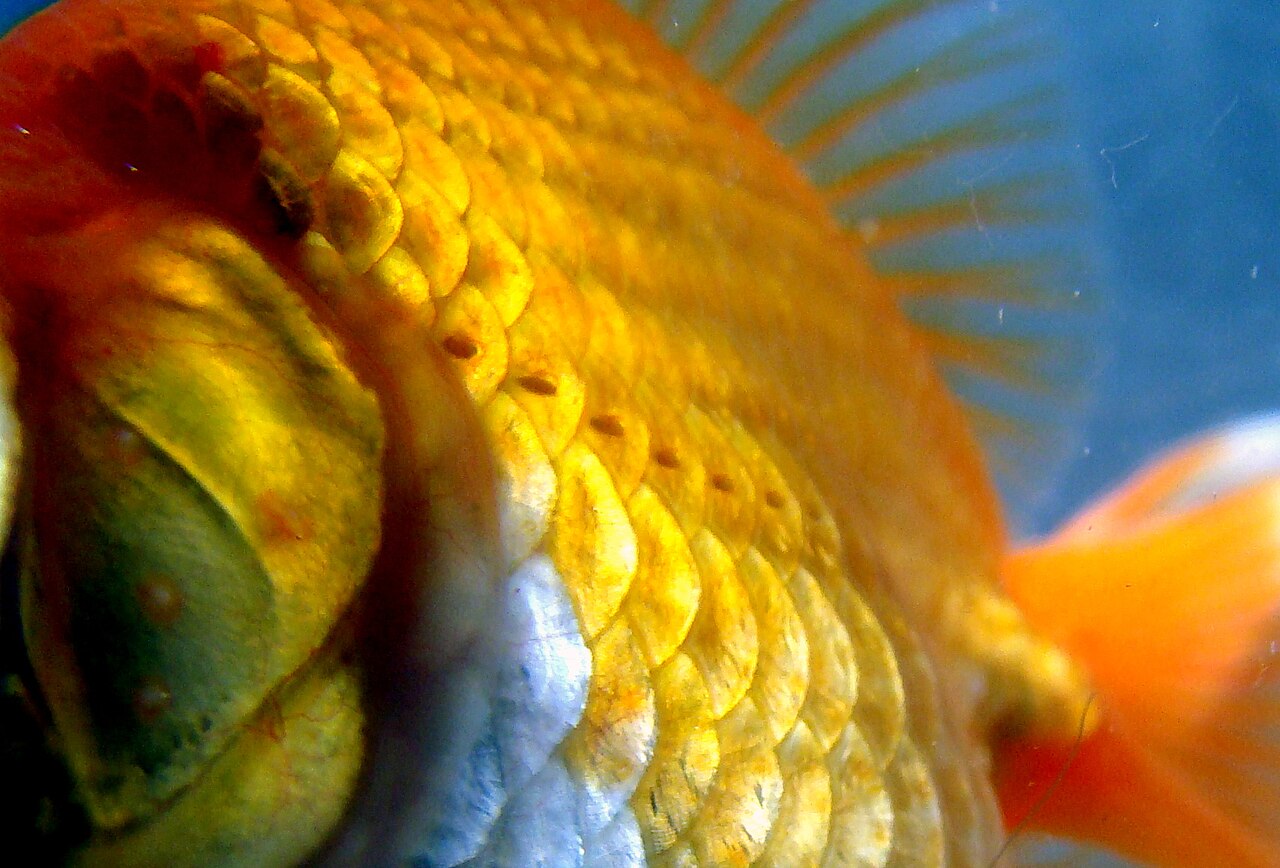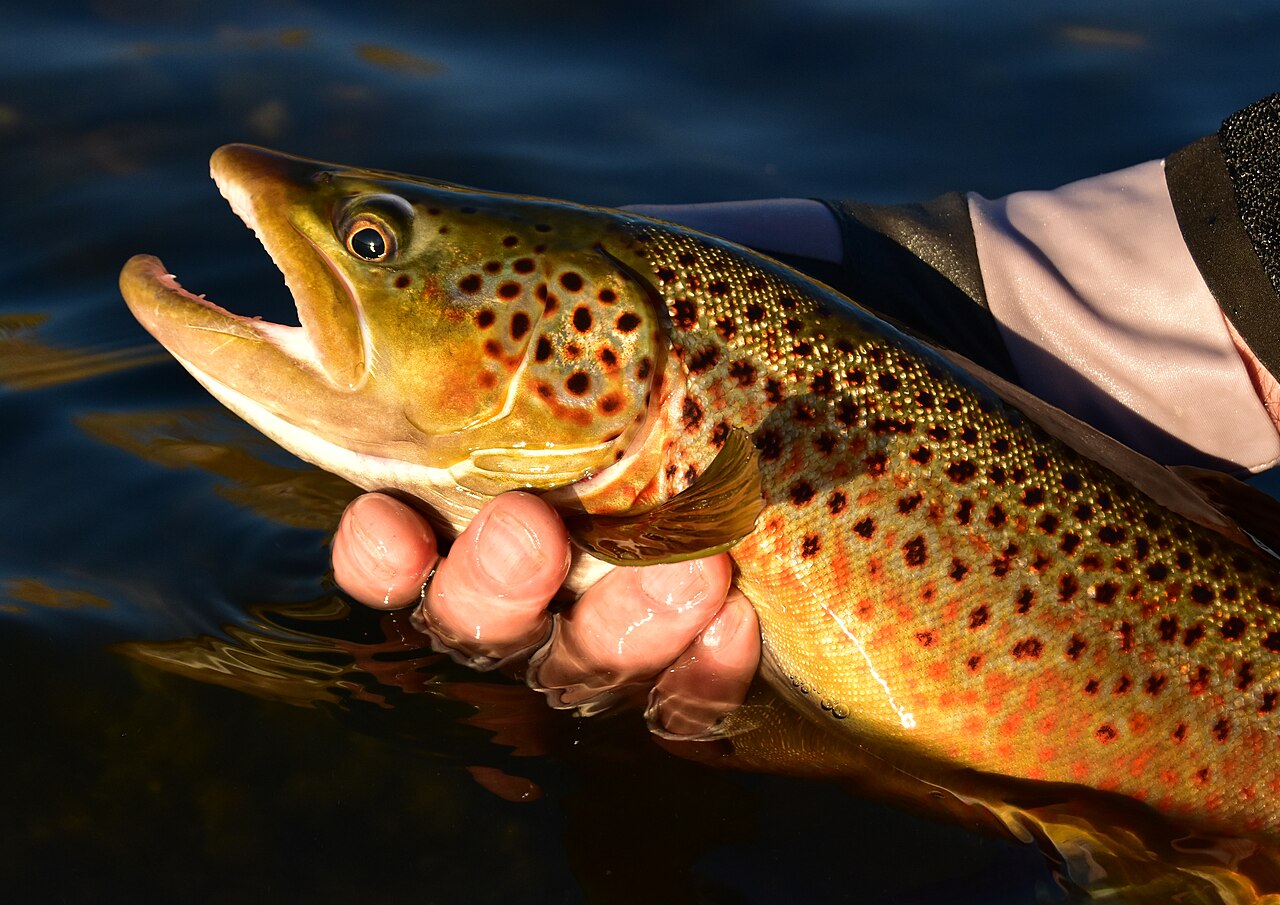
Fish breathe oxygen dissolved in water
Fish take up dissolved oxygen through their gills. Cold water can generally hold more oxygen than warm water, which means hot weather can reduce the maximum oxygen available in ponds and lakes. Species have different temperature and oxygen requirements.
Decay also uses oxygen
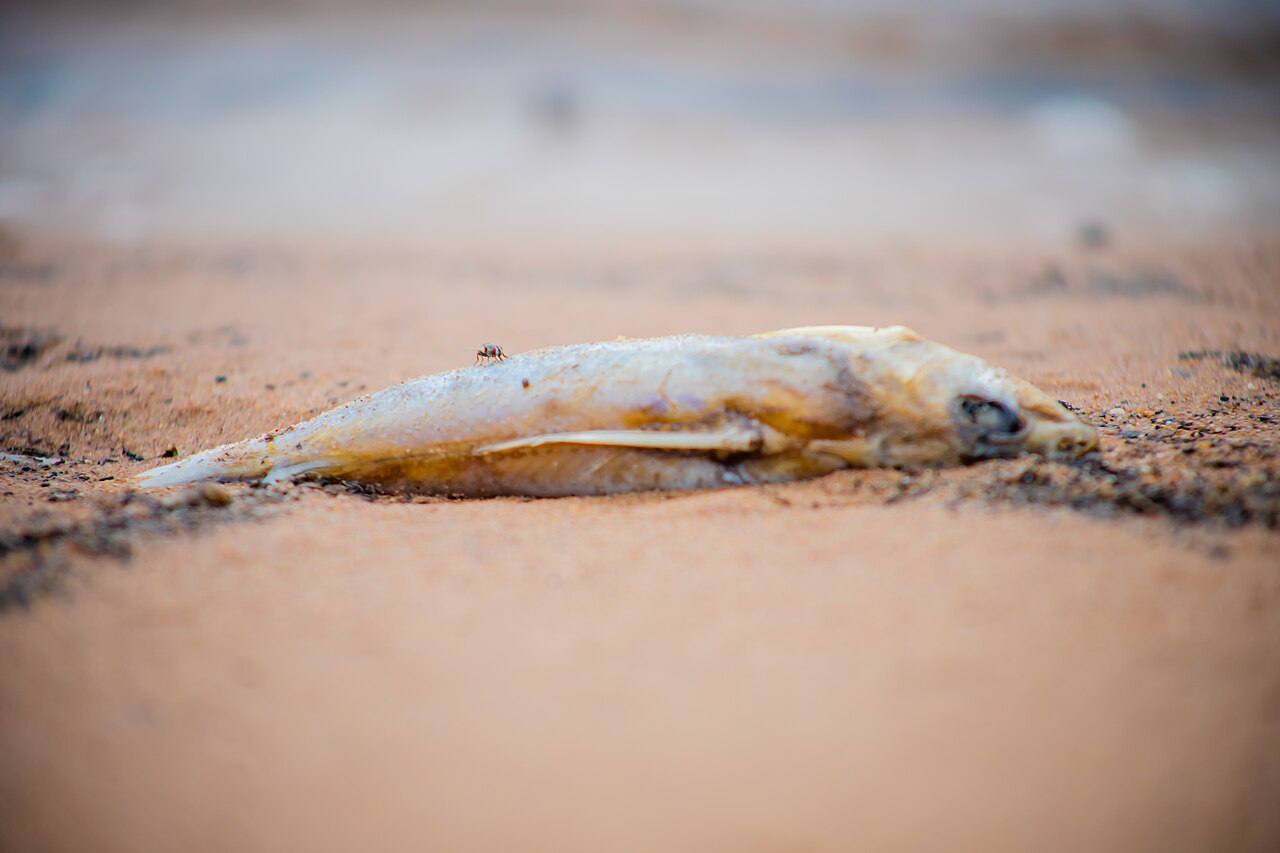
Bacteria consume oxygen as they break down organic matter. Nutrient enrichment may encourage algal blooms; when excessive algae die and decompose, conditions can become oxygen-poor. In warm, calm weather, this combination can stress fish and sometimes contribute to summer fish kills.
Different depths are not always safer
Lakes can develop temperature layers: surface water may be too warm for some fish, while deep water may have inadequate oxygen. A cool-looking shaded bank does not guarantee a healthy habitat. Observations need water-quality measurements rather than guesses from appearance.
Help by avoiding pollution and illegal transfers
Do not dump lawn fertilizer, bait leftovers, chemicals or garden waste into the water. Never move live fish or aquatic plants between lakes without permission. Report mass fish distress to local environmental or fisheries authorities; avoid entering unsafe water to investigate.
A general educational overview, not a substitute for professional guidance. Check current local rules and trusted primary sources before making consequential decisions.
Share this article