Plan before you cast
If you intend to release fish, prepare a suitable landing net and dehooking tool before fishing. Choose tackle appropriate for the water and species, and follow local rules on prohibited hooks, protected species and seasons.
Reduce handling and time in air
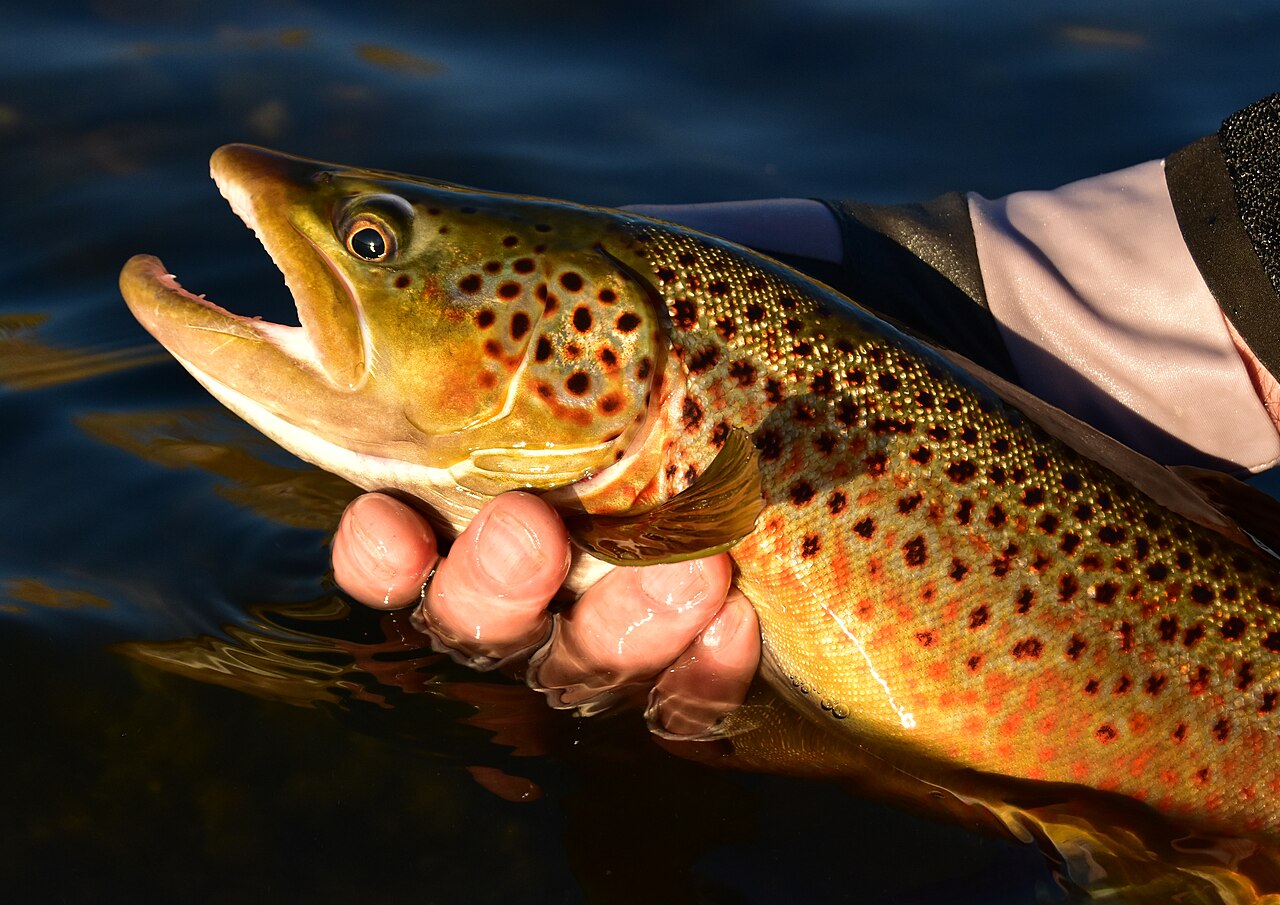
When possible, release fish without removing them from water. If handling is necessary, wet your hands first, support the body along its length and avoid touching eyes or gills. Keep time in air as short as practical.
Deep-water catches are different
Fish drawn rapidly from depth can suffer barotrauma. Signs may include bloating or difficulty swimming back down; simply throwing the fish onto the surface may not help. NOAA describes species-appropriate descending tools and locally approved techniques.
Know when immediate release matters
Observe local regulations for protected or undersized fish and act promptly. Temperature, water quality, fight duration and species sensitivity all affect outcomes. If a fish cannot recover, consult rules rather than assuming every release is harmless.
A general educational overview, not a substitute for professional guidance. Check current local rules and trusted primary sources before making consequential decisions.
Share this article