Decide before leaving whether the route is suitable
Check the forecast and official warnings for the trail area, not merely the weather in the nearest city. Note how long it takes to return to a substantial building or an enclosed hard-topped vehicle. A ridge, open meadow, lake shore and exposed summit leave little protection from lightning. If thunderstorms are expected, change the route or postpone the walk rather than relying on a last-minute sprint to a shelter. Agree within the group who watches the sky and who makes the decision to turn back.
Treat thunder as a signal to seek proper shelter
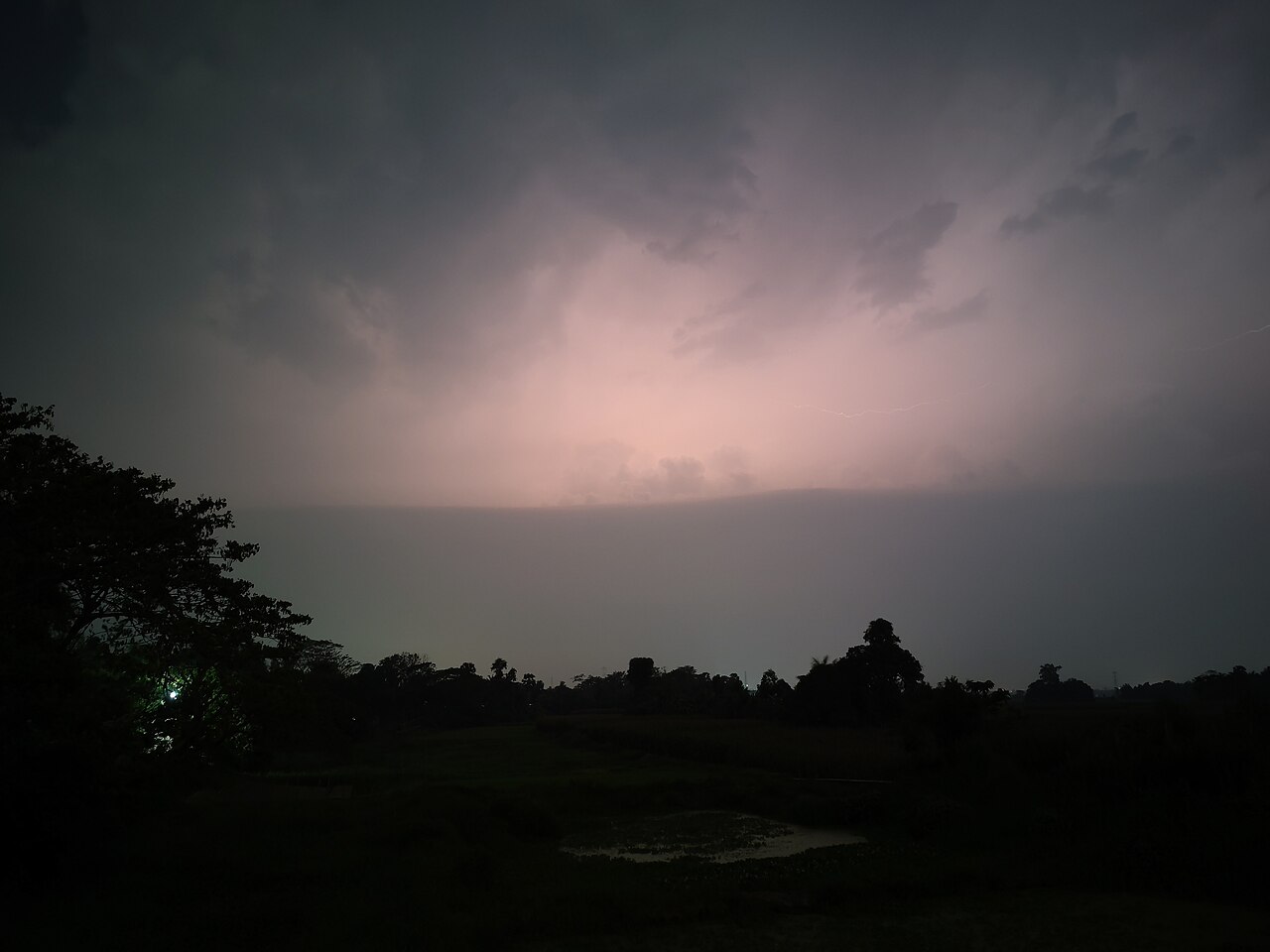
The National Weather Service warns that no place outside is safe when thunderstorms are nearby. If you hear thunder or see lightning, move immediately toward a substantial enclosed building or hard-topped vehicle with windows closed. A picnic roof, tent, open garage, small shed or lone tall tree does not provide reliable lightning safety. Do not wait for rain to begin: dangerous strikes can occur while the storm still appears some distance away. Keep the group together without crowding underneath isolated trees.
Avoid common last-resort mistakes in open terrain
If a safe shelter is genuinely unavailable, recognize that you cannot make the situation safe outdoors. Move away from isolated trees, exposed hilltops, cliffs, overhead power lines, water and metal fences; do not lie flat on the ground. These steps may reduce some risks but are not substitutes for getting indoors. Put down fishing rods and stop swimming or paddling. Never climb to a higher point to get a better view of the storm. The safest plan is to choose a trip with accessible real shelter before the storm develops.
Wait after the apparent end of the storm
The rain stopping does not mean the risk of lightning has passed. The National Weather Service recommends remaining in safe shelter for at least 30 minutes after the last thunder. Check whether new storms are developing before continuing. While indoors during lightning, avoid contact with plumbing and wired electrical equipment and stay back from exterior openings. If the original route will bring you back onto an exposed ridge, consider ending the outing rather than resuming automatically.
Prepare for emergencies and help without new exposure
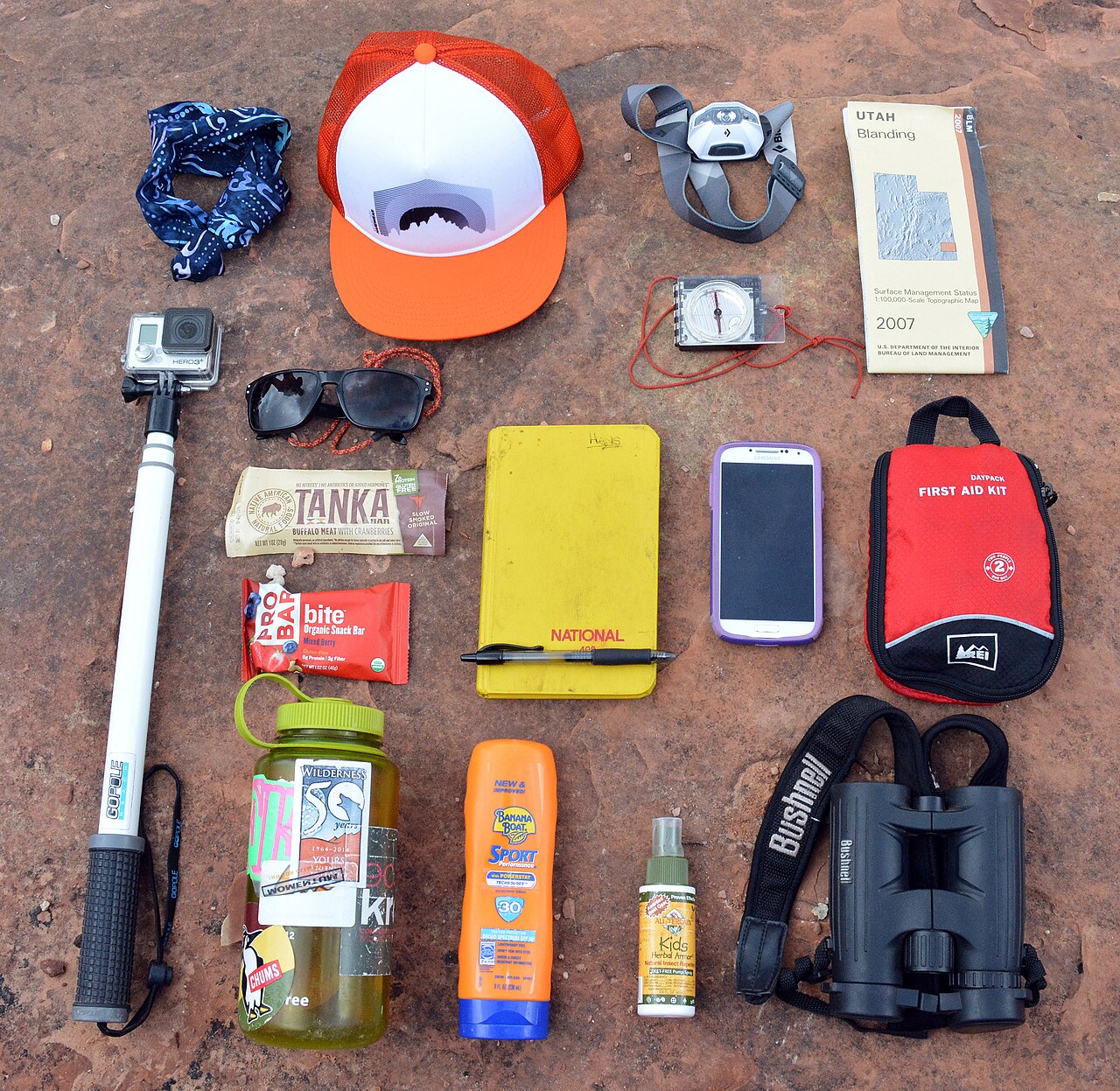
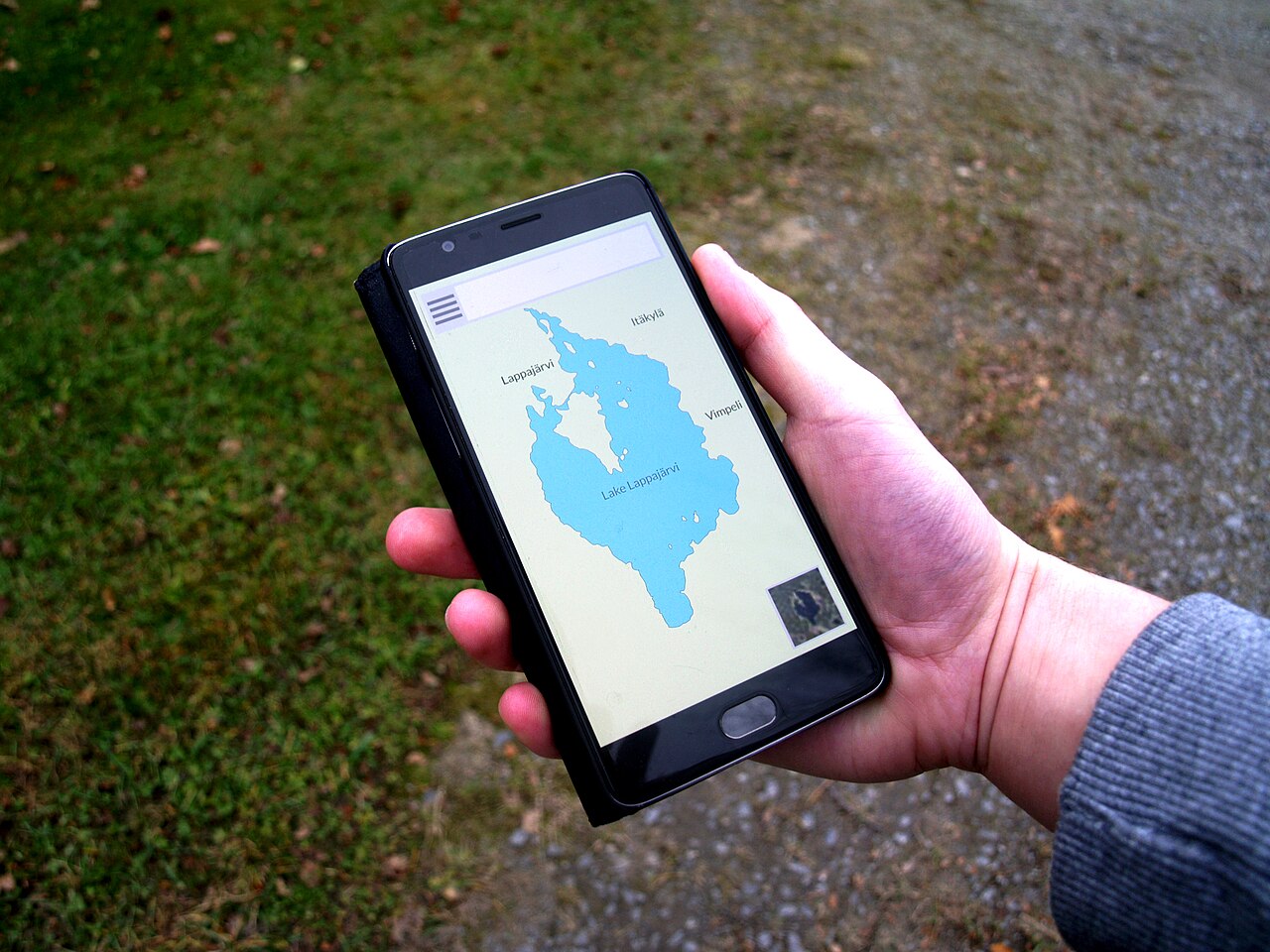
Carry a charged phone, appropriate clothing, water and a route shared with someone not on the hike. Know the local emergency number and be ready to describe your location. A person struck by lightning does not retain an electrical charge and can be touched; summon emergency services and provide first aid or CPR if trained and it is safe to do so. Avoid turning one emergency into several: helpers should not stay exposed in an active storm. Debrief the route afterward so the next hike has safer decision points.
A general educational overview, not a substitute for professional guidance. Check current local rules and trusted primary sources before making consequential decisions.
Share this article