Read the seed packet before choosing a date
Different plants need different temperatures, germination times and final outdoor conditions. A seed packet or reliable plant guide will tell you whether to sow indoors at all and roughly when to transplant. Starting too early can leave fast-growing seedlings crowded indoors long before frost risk has passed. Note the expected last frost for your area and count backwards using the crop's guidance, rather than copying a calendar from a different climate. Label the containers with species, variety and sowing date so similar seedlings do not get mixed up.
Use clean containers with drainage
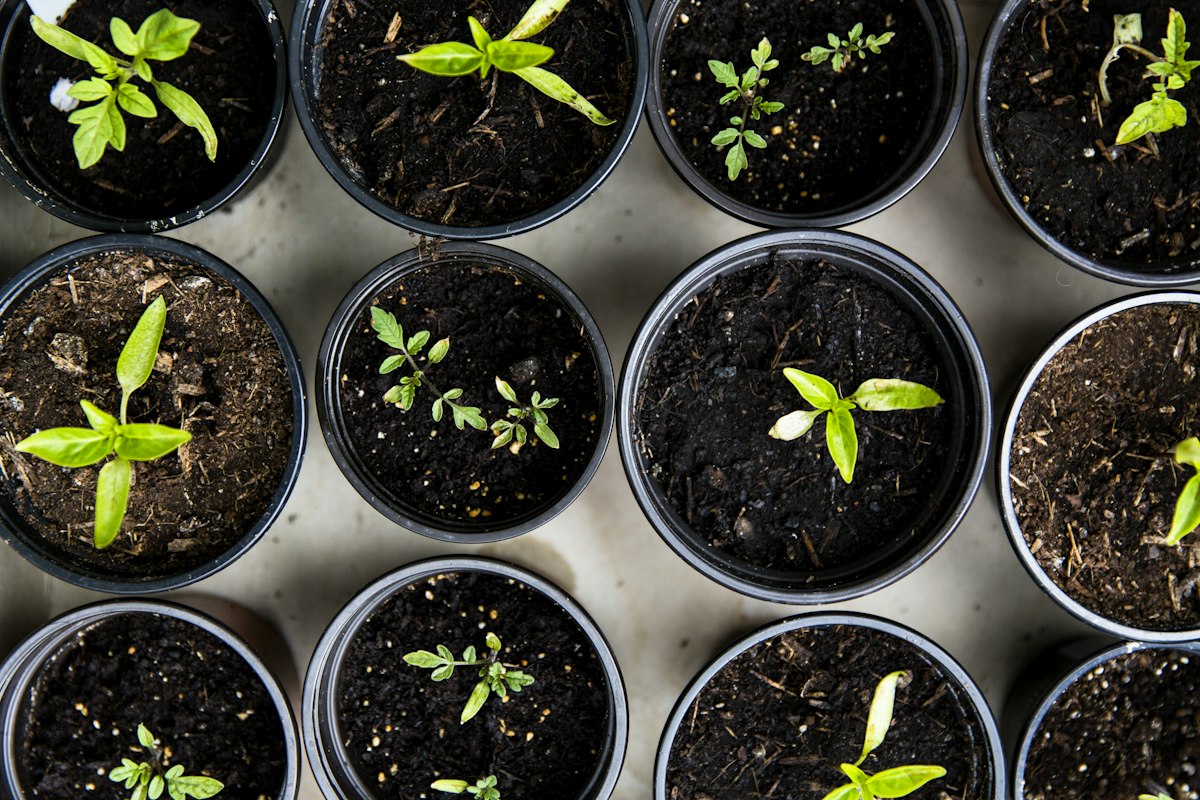
Seed trays or small pots need drainage holes. Fill them with suitable seed compost and moisten the medium without turning it into a swamp. Follow the seed packet for sowing depth: some seeds need only a fine covering, and others require light to germinate. Use clean containers to reduce disease risk. Recycled food containers can work if thoroughly washed and given drainage. Covering a tray may help retain moisture during germination, but remove or vent the covering as soon as seedlings appear to limit stagnant, damp conditions.
Provide enough light as growth begins
A warm windowsill can encourage germination, but young seedlings also need sufficient light. Thin pale stems leaning heavily toward the glass often indicate insufficient lighting, especially in winter. Move plants to a brighter safe location or use a suitable grow light following the device's instructions; do not place hot lamps directly against leaves. Turn trays where needed so growth stays balanced. Avoid sudden moves from low indoor light to intense direct sun because leaves may scorch. The goal is compact sturdy plants, not the tallest shoots.
Water carefully and thin crowded plants
Check the surface of the compost and the weight of the tray before watering. Gentle bottom watering or a fine spray avoids washing small seeds out of place. Allow excess water to drain; continuously soaked roots can suffer, and stagnant air encourages disease. As seedlings produce true leaves, thin or transplant them according to spacing instructions so they are not fighting for light. Handle delicate plants by a leaf rather than squeezing their stems and use containers large enough for the developing roots.
Harden off before planting outdoors
Indoor plants need time to adjust to wind, cooler nights and stronger sunlight. When local weather and the species allow, gradually expose seedlings to outdoor conditions over several days, starting in a sheltered spot and increasing the time. Bring them back inside if frost or damaging wind is expected. Water after transplanting and monitor the first week rather than assuming every plant will establish immediately. Keep a note of which varieties thrived and which stretched or suffered from excess moisture, so next year's sowing plan improves.
A general educational overview, not a substitute for professional guidance. Check current local rules and trusted primary sources before making consequential decisions.
Share this article